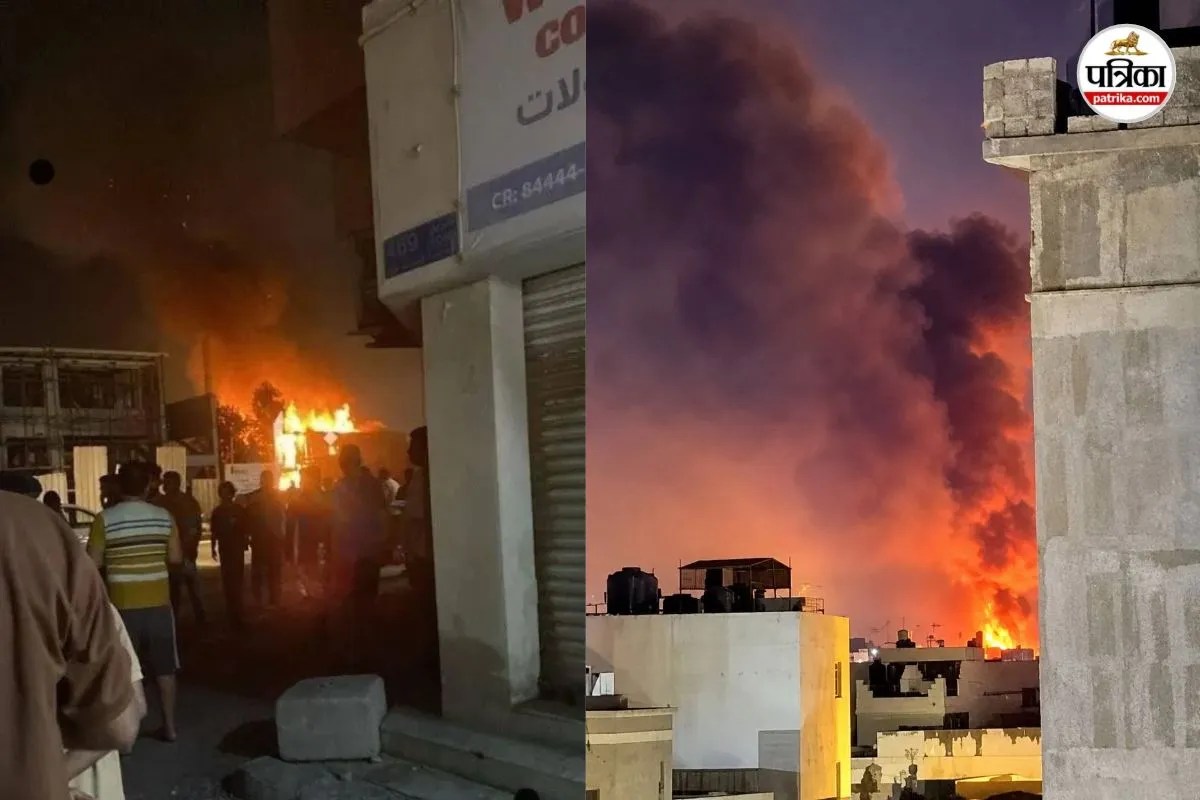
Another November fifth has come and gone, leaving behind the predictable wreckage of charred streets, shattered vehicle glass, and exhausted emergency crews. Year after year, what is supposed to be a historic community celebration of bonfires and fireworks descends into targeted ambushes against police officers, paramedics, and firefighters.
If you spent any time tracking the headlines out of Scotland this past week, you already know the grim tally. Seven people arrested, a police van set completely ablaze, and multiple frontline workers nursing minor injuries after being pelted with industrial-strength fireworks.
We need to stop acting like this is just rowdy seasonal mischief. It is calculated public disorder, and the current response isn't cutting it.
The Reality Behind the Chaos on the Streets
Let's look at what actually happened on the ground. In cities like Edinburgh and Glasgow, emergency services didn't just face random antisocial behavior—they faced coordinated traps.
Take the incident in Glasgow's Greenside Street. Police officers and Scottish Ambulance Service personnel responded to a routine call about an injured man. It was a trap. Upon arrival, the crews were swarmed by youths firing heavy pyrotechnics directly at them. A police vehicle was torched, rendering it a burnt-out shell, while a cop and a paramedic narrowly escaped serious harm.
Meanwhile, across Edinburgh neighborhoods like Oxgangs, Gracemount, and Gilmerton, similar scenes played out. Road blockades were set on fire, and passing cars or public transit vehicles became targets for aerial fireworks. The Scottish Fire and Rescue Service handled over 800 calls in a matter of hours.
Think about that volume for a second. Eight hundred emergency calls tied to a single evening. Firefighters were stretched to their absolute breaking point, not because of accidental property fires, but because they had to navigate hostile crowds just to do their jobs.
Why Firework Control Zones Are Falling Short
Local authorities love introducing new bureaucratic measures to look like they are taking charge. Enter Firework Control Zones.
On paper, these zones give police extra powers to crack down on the misuse of pyrotechnics in designated areas. In practice during this recent wave of disorder? They barely moved the needle. In Edinburgh and Glasgow, dozens of dispersal orders were issued, yet authorities logged zero charges related specifically to breaching those control zones.
When penalties lack teeth, rules become suggestions. Kids and young adults throwing commercial-grade explosives at human beings know the immediate consequences are practically nonexistent. If you can legally buy fireworks off a shelf or online with minimal friction, a localized ban sign on a neighborhood lamppost isn't going to stop a riot.
The Human Cost to Public Servants
Police officers, firefighters, and paramedics accept that their jobs carry inherent risks. Walking into burning buildings or volatile crowd situations comes with the territory. But they shouldn't have to accept being hunted with fireworks by teenagers treating civil society like a video game.
When a paramedic has to duck for cover while trying to treat a bleeding patient, the social contract has completely fractured. These workers are parents, neighbors, and local community members. Every time a police van is torched or an ambulance is targeted, it pulls critical resources away from actual emergencies elsewhere in the city. Someone having a heart attack across town might wait an extra ten minutes because an ambulance crew had to retreat from a barrage of rockets.
What Needs to Change Right Now
We can't just throw our hands up every November and call it an unfortunate tradition. Real action requires tackling the root failures rather than just cleaning up the glass the next morning.
First, retail access to high-powered fireworks needs a massive overhaul. General consumers don't need access to professional-grade pyrotechnics that can double as makeshift weapons. Restricting sales strictly to organized, licensed public displays would instantly dry up the supply chain fueling these street battles.
Second, the judicial response must match the severity of the crime. Assaulting an emergency worker with an explosive device isn't simple vandalism or disorderly conduct—it's attempted grievous bodily harm. Until courts start handing down mandatory custodial sentences for anyone caught targeting frontline crews, the deterrent effect will remain zero.
Communities deserve to celebrate holidays without turning their neighborhoods into war zones. Protecting the people who wear the uniform means giving them the legal backing, safety equipment, and policy changes required to keep the streets under control.