We spend trillions reacting to sudden health emergencies while a slower, deadlier threat brews silently in hospital wards, livestock farms, and our own medicine cabinets. Antimicrobial resistance isn't some distant science-fiction plot. It's happening right now.
The World Health Organization dropped a sobering projection recently: drug-resistant superbugs could directly claim 39 million lives over the next quarter-century. Behind that massive number lies a simple, uncomfortable truth. We broke the tools that saved modern medicine.
If you've ever taken a Z-pack for a common cold or assumed antibiotics fix everything, you've touched this problem. Let's look at why this crisis is accelerating, what the data actually tells us, and how we fix a broken system before simple infections start killing us again.
The Real Cost of Overprescribing
Every time a doctor hands out antibiotics for a viral infection just to appease a worried patient, evolution wins a small victory. Bacteria are remarkably adaptable single-cell organisms. Expose them to drugs they can survive, and the survivors pass on resistance traits.
For decades, we treated antibiotics like infinite resources. Need a quick fix for a sinus issue? Here's a pill. Livestock need to grow faster in crowded feedlots? Toss low-dose antibiotics into their feed.
That casual attitude created a public health emergency. According to comprehensive data from global health authorities, drug-resistant infections are already killing over a million people every year. The WHO’s 25-year projection of 39 million deaths isn't a worst-case fantasy. It's a baseline trajectory if current prescribing habits and sanitation failures continue unchecked.
Common medical procedures rely entirely on functional antibiotics. Hip replacements, chemotherapy, C-sections, and routine organ transplants become terrifying gambles if a simple surgical site infection can't be treated with standard drugs. When antibiotics fail, routine surgery turns fatal.
Where the System Broke Down
You can't blame this entirely on doctors or patients. The pharmaceutical economic model is fundamentally broken.
Developing a new class of antibiotics takes years of intensive research and millions of dollars. Once a new drug finally hits the market, doctors rightly hoard it as a last-resort treatment to prevent resistance. That means pharmaceutical companies sell very little of it.
Compare that to a daily pill for chronic high blood pressure or lifestyle conditions, which patients take for decades. Drug companies abandoned antibiotic research decades ago because the financial return is terrible. We face a dangerous cliff where bacteria evolve faster than our drug pipelines can produce solutions.
Meanwhile, agricultural practices make things worse. A massive percentage of all antibiotics produced globally go to farm animals, not sick humans. Healthy livestock receive low doses merely to promote growth and prevent disease in cramped, unsanitary factory farms. Those resistant strains don't stay on the farm. They spread through runoff water, meat supply chains, and direct contact.
What Needs to Happen Now
Fixing antimicrobial resistance requires a total shift in how society views infection control and drug development. We need a combination of strict policy changes and everyday vigilance.
Clean Up Agricultural Practices
Ending routine preventative antibiotic use in healthy livestock is non-negotiable. Several countries already restrict this practice, proving that farms can operate profitably without treating animals like living incubators for superbugs.
Revive the Drug Pipeline
Governments must step in with financial incentives to make antibiotic development profitable for biotech firms. Decoupling profit from sales volume—essentially rewarding companies for successfully bringing a new antibiotic to market regardless of how sparingly it gets used—can restart stalled research pipelines.
Better Diagnostics at the Clinic
Doctors often prescribe broad-spectrum antibiotics because traditional lab tests take days to identify the exact pathogen. Rapid, point-of-care diagnostic tools that tell a physician within minutes whether an infection is bacterial or viral will eliminate unnecessary prescriptions overnight.
Strict Hospital Stewardship
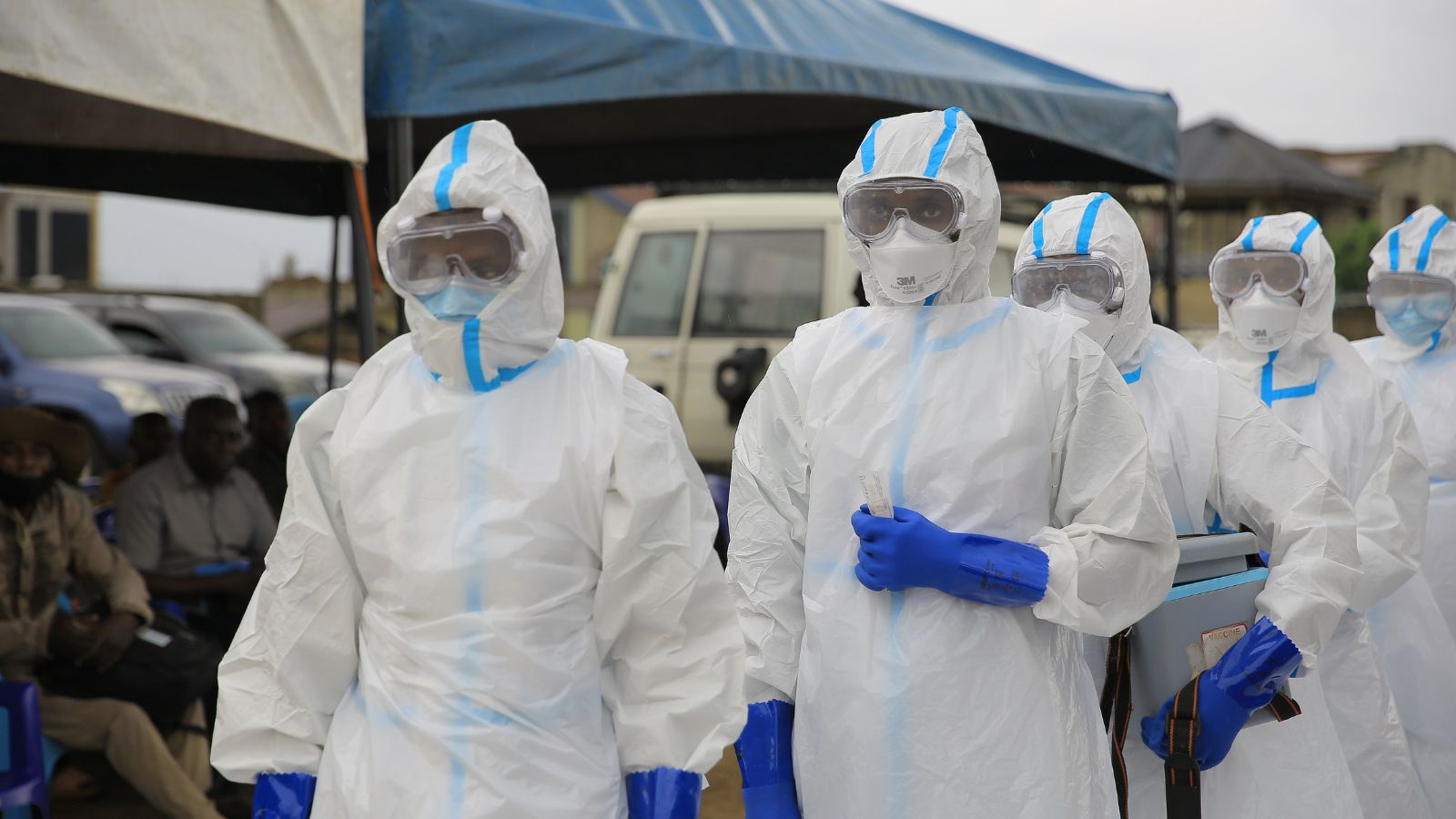
Hospitals remain ground zero for superbug outbreaks. Better hygiene enforcement, aggressive isolation protocols for resistant strains, and mandatory stewardship programs prevent dangerous bacteria from spreading between vulnerable patients.
Protecting Yourself and Your Family
You aren't powerless in this crisis. Everyday choices dictate how fast superbugs spread.
Stop demanding antibiotics for viral illnesses. Flu, colds, bronchitis, and most sore throats don't respond to antibacterial drugs. Taking them anyway harms you by wiping out your beneficial gut microbiome and breeds stronger pathogens in your body.
If a doctor prescribes an antibiotic, finish the entire course. Stopping early because you feel better leaves the toughest bacteria alive to bounce back stronger. Never share leftover antibiotics or save them for later use.
Wash your hands properly. Practice basic food hygiene. Support local agricultural producers who raise animals without routine chemical intervention.
The superbug crisis moves slowly, which makes it easy to ignore until it lands in your own hospital room. We still have a narrow window to change course, but ignoring the warning signs guarantees a future where modern medicine loses its greatest defense.