Surgical errors aren't supposed to happen in modern medicine. We're told that checklists, double-checks, and multi-tier verification protocols make catastrophic mistakes almost impossible. But medical mishaps still shock the public, reminding us that systems operated by humans will always carry the risk of human failure.
When a 45-year-old patient underwent a laparoscopic hysterectomy and bilateral salpingectomy at a private facility in Hong Kong, she expected a standard recovery. Instead, she suffered an irreversible surgical blunder: her ovaries were inadvertently removed alongside her uterus and fallopian tubes. Reports surfaced that the Department of Health reviewed the sentinel event, noting the patient's stable physical condition while institutions scrambled to submit mandatory investigation reports.
How does something this severe slip through the cracks of a high-end private medical center? The reality is sobering. Medical errors are rarely caused by a single catastrophic slip. They are almost always the result of a chain reaction. Poor communication during handovers, fatigue, unclear surgical markings, or rushed procedures combine to create a dangerous blind spot in the operating room.
When a surgeon enters the abdominal cavity, visualization depends on scope clarity, anatomical presentation, and precise pre-operative planning. If a surgical team deviates from the consented plan or misinterprets real-time anatomy under laparoscopic view, irreversible actions happen in seconds. Patients sign consent forms granting specific permissions, trusting that the surgical team will stick strictly to the roadmap. When that boundary is crossed, the psychological and physical fallout is immense, particularly when the organs removed alter hormone production, fertility, and long-term health. Similar coverage on this matter has been published by World Health Organization.
Private hospitals pride themselves on state-of-the-art facilities and elite staffing. Yet, accreditation and premium pricing don't eliminate the inherent vulnerability of invasive surgery. Reviews by health authorities often focus heavily on whether a facility met baseline standards for manpower, equipment, and premises. But checking compliance boxes doesn't fix cognitive errors or momentary lapses in surgical focus.
Preventing these catastrophic errors requires a complete cultural shift in operating rooms. First, surgical time-outs must be treated as absolute mandates rather than administrative paperwork. Every member of the surgical team, from the lead surgeon to the scrub nurse, needs the explicit empowerment to halt a procedure if something looks ambiguous. Second, real-time anatomical verification tools and mandatory intraoperative cross-checks can provide vital safety nets when standard visual checks fall short.
Patients also need to take an active role in their care pathways. While you can't supervise your own surgery while under general anesthesia, you can demand absolute clarity during pre-op consultations. Review the surgical consent form line by line. Ask your surgeon to explicitly detail every organ that will be touched, removed, or left intact.
Medical science performs miracles every single day, but trust must be backed by relentless accountability. Until hospitals bridge the gap between protocol compliance and cognitive safety, patients will continue to carry the heaviest burden of systemic failure.
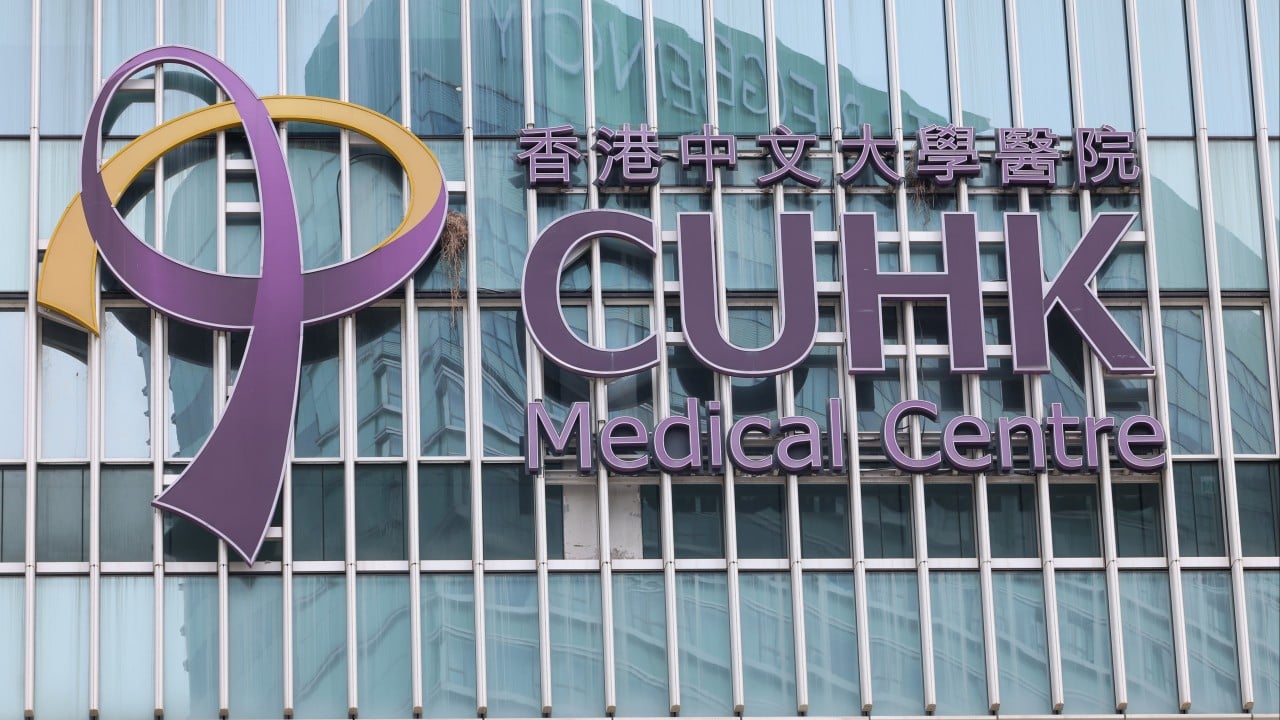
CUHK Medical Centre mistakenly removes both ovaries during 45 year old patients surgery