What the Rohingya Genocide Ruling Means Inside the Camps
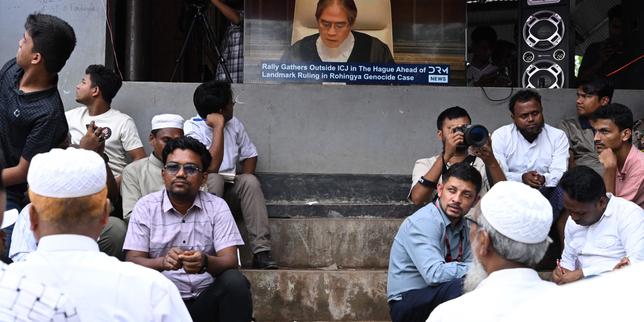
A court ruling on paper doesn't fix a leaking bamboo roof in Cox's Bazar. Still, when the International Court of Justice (ICJ) ruled on November 19, 2026, that Myanmar committed genocide against the Rohingya during its 2017 clearance operations in northern Rakhine State, the word itself landed heavily across the refugee camps. For people who've spent years living in tarp-and-bamboo shelters without citizenship or a clear path home, hearing the world's top court call those atrocities genocide isn't an abstract legal win. It's a moment of grief, memory, and quiet vindication for family members who didn't survive.
As the Le Monde report on November 19 highlighted, life in the camps after this landmark recognition starts with remembrance—honoring those who were lost before justice had a formal name. Yet memory and daily survival sit right next to each other here. More than 1.2 million registered Rohingya refugees live in Bangladesh, according to UNHCR operational data, with roughly 97% crowded into 33 camps across Ukhiya and Teknaf and around 26,775 on Bhasan Char as of late 2026. A legal verdict changes the historical record immediately. Changing conditions inside the camps is a much slower, messier fight.
Why Calling It Genocide Matters So Much to Survivors
For decades, Myanmar's authorities refused to even recognize the Rohingya as a distinct ethnic group, labeling them outsiders or foreign migrants while stripping away rights and citizenship. The ICJ's 9–6 judgment—in the case brought by The Gambia under the 1948 Genocide Convention—rejected that erasure. By finding intent to destroy a substantial part of the Rohingya population and formally recognizing the Rohingya as a distinct protected group under international law, the court pushed back against years of state denial.
Honestly, people outside international law circles sometimes ask why the exact legal label matters when armed conflict, displacement, and hunger are still happening right now. Here's why it matters so much on the ground. To understand the complete picture, we recommend the detailed article by NPR.
- It validates lived memory: Survivors and families who lost loved ones in 2017—and in earlier waves of violence—have spent years watching perpetrators deny basic facts. A binding finding from the ICJ puts those losses into the official international record.
- It sets a legal precedent: The ruling clarifies how genocide intent and group identity are evaluated under the Genocide Convention, a point legal scholars and human rights groups are already watching closely for other cases worldwide, as noted by Human Rights Watch and the American Society of International Law.
- It keeps pressure on accountability: Even though the court didn't order blanket citizenship for every Rohingya or set compensation amounts immediately—those details are slated to follow, with Myanmar required to report back within two years—the judgment gives advocates and intervening states sharper leverage.
Still, I don't think anyone inside the camps is treating November 19 as a finish line. A verdict names the crime. It doesn't automatically arrest commanders, halt violence back in Rakhine State, or restore homes burned years ago.
The Gap Between Legal Justice and Daily Camp Reality
If you only read headlines about historic rulings, you might assume a major shift in daily camp life is already underway. It isn't. The gap between courtroom victory and camp reality is wide, and ignoring it leads to false hope.
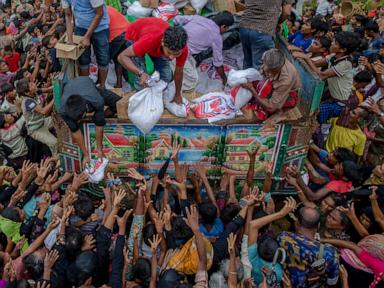
Let's look at what survivors actually deal with day to day. Over half of the registered Rohingya population in Bangladesh are children, and women and girls make up a slight majority at just over 51%. Shelters in Cox's Bazar are packed tightly onto hilly terrain vulnerable to monsoon rains, landslides, and fires. Movement outside the camps is heavily restricted, formal jobs are scarce, and generations of young people are growing up in limbo without long-term certainty.
Funding shortages make things worse. According to UNHCR's late-2026 reporting, funding for the Bangladesh response stood at roughly 46% of required needs by the end of September 2026—leaving critical gaps across protection, health, shelter upkeep, and education. Even when communities organize local projects or consultations to repair drainage and paths, chronic underfunding limits how far those efforts can stretch.
And then there's the situation across the border in Myanmar. Escalating fighting in Rakhine State hasn't created safe conditions for immediate, voluntary return. Talking about "safe and dignified repatriation" sounds straightforward in policy briefs, yet rushing people back into an active conflict zone without enforceable security and legal protections would put lives at risk. Anyone pushing for quick returns without those guarantees is overlooking what's actually happening on the ground.
Common Misconceptions About the Ruling and Repatriation
When a major international court decision breaks, myths spread fast. A few misconceptions pop up repeatedly around Rohingya refugees and this judgment.
Myth 1: The ICJ ruling means refugees can go home safely right away
Not even close. An ICJ judgment establishes state responsibility under international law, not instant security on the ground. As long as fighting continues in Myanmar and Rohingya civilians face threats, displacement, or lack of legal protection, voluntary and safe return remains blocked.
Myth 2: The court ordered Myanmar to grant citizenship to everyone
It didn't. Legal analysts tracking the decision noted that the court did not issue a blanket order granting citizenship to all Rohingya, focusing instead on the Genocide Convention violations, evidence preservation breaches, and subsequent steps such as compensation and court reporting within two years. Citizenship and long-term civil rights remain central political and human rights demands, not an automatic result of the ruling.
Myth 3: International courts can enforce compliance on their own
They can't. The ICJ's rulings are legally binding on state parties, yet the court has no police force or enforcement army of its own. If a state fails to comply, disputes over enforcement can go to the UN Security Council—where geopolitics and vetoes often stall action—meaning diplomatic pressure, sanctions, and coalition backing from other governments matter hugely.
What Happens Next for Accountability and Camp Support
So where does things go from here? Honestly, the next phase will test whether governments back their legal rhetoric with real money and diplomatic follow-through.
Eleven countries—including Belgium, Canada, Denmark, the Democratic Republic of the Congo, France, Germany, Ireland, the Maldives, the Netherlands, Slovenia, and the United Kingdom—intervened in the case on issues of convention interpretation, according to the UN Human Rights Office. Those states, along with other UN members, now face a practical choice: treat the verdict as a solemn statement and move on, or use it to sustain funding, document ongoing abuses, and push for concrete protections.
There are also real debates over how international justice interacts with broader global politics. Critics and observers point out that major powers often apply uneven standards to international courts depending on their own strategic interests, and tensions around global tribunals can complicate diplomatic momentum. Acknowledging those friction points doesn't diminish the ruling for Rohingya survivors; it just keeps expectations grounded in how international politics actually works.
Practical Next Steps for Readers, Advocates, and Policymakers
If you want to do more than read a headline and scroll past, take concrete steps that support survivors and keep accountability moving forward.
- Support verified humanitarian appeals: Look directly at UNHCR's Bangladesh response or established aid organizations operating in Cox's Bazar and Bhasan Char, especially programs funding protection, education for children, healthcare, and basic camp infrastructure.
- Press elected officials on funding and accountability: Contact your representatives to urge sustained humanitarian funding—so life-saving assistance isn't rationed due to budget shortfalls—and consistent diplomatic support for justice mechanisms and safe conditions in Rakhine State.
- Center Rohingya voices in follow-up coverage: Pay attention to what Rohingya community leaders, survivors, and diaspora advocates say they need next, whether that's safer learning spaces for youth, family reunification, protection from exploitation, or long-term legal status.
- Track the two-year court timeline: Watch how Myanmar responds to its court-mandated reporting obligations and how questions of reparations and state compliance are handled over the coming months, rather than treating the initial judgment as the end of the story.