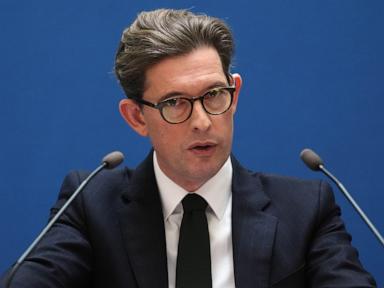
A court verdict doesn't enforce itself. That's the cold truth hanging over the room after the
For the first time in the court's history, it found a state responsible for genocide under the 1948 Genocide Convention. Nine judges voted in favor and six opposed in The Gambia v. Myanmar, concluding that evidence—including an estimated 10,000 Rohingya killed during the 2017 military clearance campaign, widespread sexual violence, attacks on fleeing families, and bulldozing or burning former villages—pointed to an intent to destroy a substantial part of the Rohingya population. Rights groups and activists are now urging immediate sanctions and concrete enforcement, even as diplomatic gridlock threatens to stall UN Security Council action.
Honestly, the legal breakthrough is huge. Survivors who spent years fighting to be believed finally heard the world's highest court name what happened to them. Yet legal recognition on paper is one thing; forcing a defiant regime and military apparatus to pay reparations, halt ongoing abuses, and allow safe return is something else entirely.
Why Sanctions on Myanmar Are Harder Than Rights Groups Hope
Walk through any policy briefing on Myanmar right now, and you'll hear two competing arguments colliding head-on. Human rights advocates—including Amnesty International Secretary General Agnes Callamard and coalitions like Justice for All—are pressing governments to hit Myanmar's military and economy where it hurts. They point to oil and gas revenues, weapons and surveillance equipment pipelines, diplomatic isolation of President Min Aung Hlaing, a global arms embargo, and a referral to the
On the other side sit the geopolitical veto walls. Daniel Forti, head of UN affairs at the International Crisis Group, has warned that immediate Security Council enforcement faces steep odds because China and Russia hold permanent vetoes and have long resisted Council pressure on Myanmar. Meanwhile, the ICC itself faces friction with Washington, complicating any push for a smooth Security Council referral there too.
Here's where people get tripped up. They assume a binding judgment at The Hague automatically triggers UN sanctions or peacekeeping muscle. It doesn't. The court can issue binding rulings and order remedies—such as investigating and prosecuting suspects, preserving evidence, facilitating safe and voluntary return, and paying compensation—but enforcement outside the court's own docket relies on states and UN political bodies.
In my experience tracking international accountability battles, a verdict shifts leverage long before it produces handcuffs or frozen accounts. Even when a Security Council resolution is blocked, a formal finding of genocide changes how banks, insurers, regional neighbors, and parliamentary committees weigh compliance risk. The United Kingdom moved quickly after the verdict by expelling Myanmar's defense attache and pushing for Security Council discussions, with consultations and a private meeting scheduled for late November and early December 2026.
What the Ruling Actually Ordered Beyond Sanctions Talk
If you only read headlines about sanctions, you might miss what the court actually told Myanmar to do. The judgment wasn't just a symbolic label; it spelled out concrete obligations across multiple votes:
- Investigation and prosecution: The court ordered Myanmar to take immediate, effective steps to investigate those reasonably suspected of genocidal acts during the 2017 operations and prosecute and punish those responsible where warranted.
- Restitution and safe return: Myanmar was directed to allow and facilitate the safe, voluntary, and dignified return of displaced Rohingya—whether in Bangladesh's Cox's Bazar camps, elsewhere abroad, or displaced inside Myanmar—along with returning or replacing lost property, reuniting families, and helping locate and rebury the disappeared.
- Compensation and reporting: The court ordered compensation for damage that restitution cannot repair and required Myanmar to submit a report within two years detailing restitution measures and compensation plans.
- Preservation of evidence: Judges also found that destroying remnants of former Rohingya villages and building security or government structures on those sites breached obligations to preserve evidence.
Myanmar's government has denied committing genocide, arguing its forces targeted insurgents, and compliance from Naypyitaw looks remote in the near term. Still, putting those orders in a binding judgment creates a legal yardstick that will follow Myanmar's leadership for years—and could influence how other states argue cases under the Genocide Convention.
What You Can Actually Do Next
If you care about accountability rather than doomscrolling headlines, skip vague outrage and take concrete steps that match how policy and aid actually move:
- Follow official court and UN records: Read summaries and filings directly from the International Court of Justice case page for The Gambia v. Myanmar and UN News coverage of the ruling so you separate court orders from rumor.
- Press your lawmakers on targeted measures: If you live in a country with sanctions or export-control laws, ask your representatives specifically about restricting dual-use surveillance tech, aviation fuel, military supply networks, and state-linked energy revenue rather than demanding broad measures that only hurt ordinary civilians.
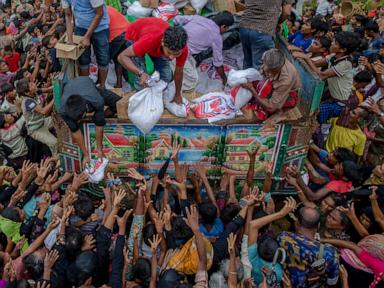
- Support verified humanitarian and legal documentation work: Around 1.2 million Rohingya refugees remain in Bangladesh facing harsh camp conditions, funding shortfalls, and restricted livelihoods, while survivor groups and legal monitors document ongoing abuses. Vet charities carefully through independent evaluators and focus on frontline humanitarian aid, education for displaced youth, and credible documentation efforts.