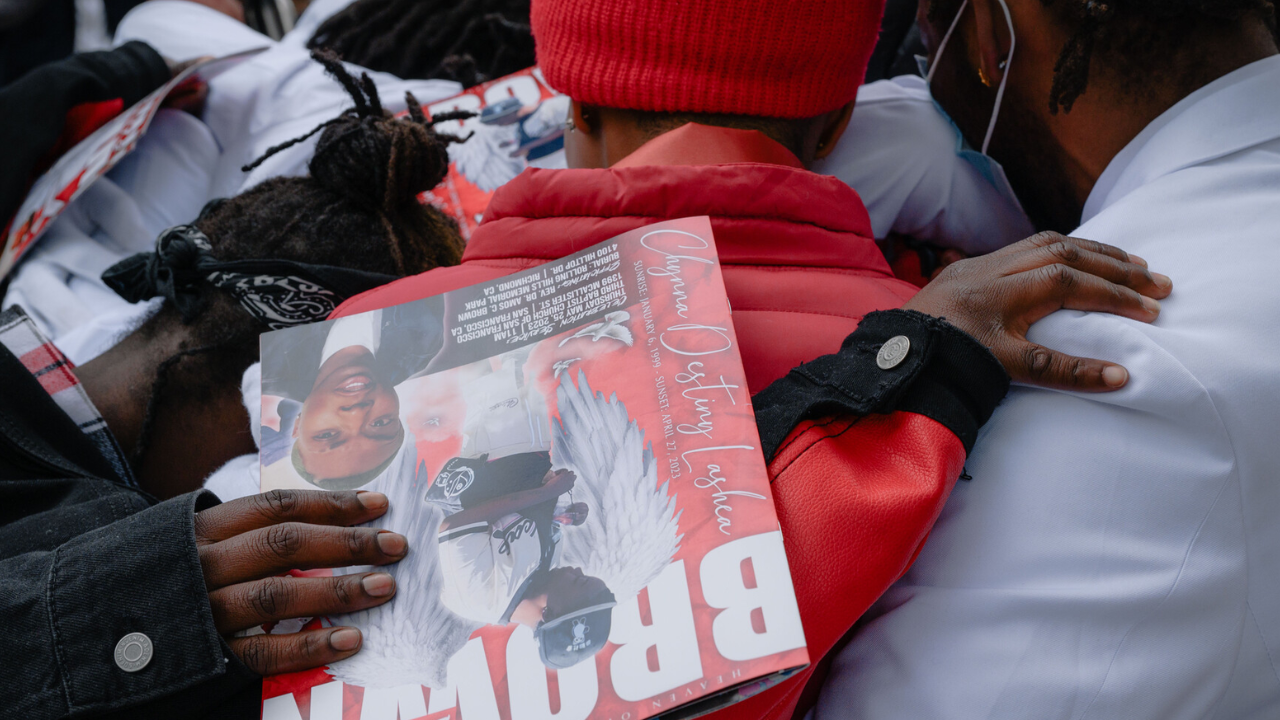
A five-million-dollar payout closes one chapter of a tragedy that shocked San Francisco, yet accountability remains incomplete. When Banko Brown, a twenty-four-year-old transgender man, was shot and killed by a private security guard inside a Walgreens store following an alleged shoplifting incident, the public outcry was immediate. Now, Brown's family has secured a five-million-dollar settlement with the security guard and his employer, Apex Security.
However, the legal battle is far from over. Claims against corporate giant Walgreens remain pending in court, leaving vital questions about retail liability and private security protocols hanging in the balance.
The incident ignited fierce debates over retail theft, corporate security training, and the lethal escalation of property disputes. Security guard Michael Earl-Wayne Anthony shot Brown during an encounter over suspected shoplifting. While prosecutors initially declined to file criminal charges against the guard—citing self-defense claims—the public and the victim's family rejected that framing. Security guards are not law enforcement officers. They have no legal authority to execute lethal force to protect merchandise.
When private companies hire third-party security firms to patrol aisles, they create a complex web of liability. Apex Security and its guard agreed to the multi-million dollar settlement, acknowledging the profound loss suffered by Brown's family. Yet, Walgreens continues to distance itself from direct liability, arguing that the security personnel were independent contractors. This defense strategy is common among major retail corporations facing wrongful death lawsuits. They outsource security to insulate themselves from operational negligence.
Plaintiffs' attorneys are challenging that corporate shield. The core argument against Walgreens focuses on negligent supervision, poor vetting, and the creation of an aggressive corporate atmosphere that prioritizes merchandise over human life. Retail workers and security guards are frequently placed in high-stress environments without adequate de-escalation training. When stores treat low-level retail theft as a crisis requiring armed intervention, tragedies follow.
The financial settlement provides some measure of justice for the grieving family, but cash cannot fix a broken system. Retail chains across the United States are grappling with how to handle inventory loss without endangering lives. Many major brands have experimented with locked merchandise displays, receipt checks, and strict "no-chase" policies for employees. Yet, the reliance on armed or aggressive private guards persists in high-crime urban areas.
As the remaining claims against Walgreens move forward, the case serves as a grim cautionary tale. Corporations cannot simply contract away their duty of care. Protecting inventory should never outweigh preserving human dignity and safety. Until retail giants invest in comprehensive non-violent conflict resolution and take real responsibility for the personnel standing in their stores, the risk of another avoidable tragedy remains uncomfortably high.