Thanksgiving storm power outages slammed hundreds of thousands of households across the United States this week, turning a four-day holiday break into a soggy, cold mess of downed trees, flooded streets, and cancelled plans. Peak outages topped 900,000 customers on Thursday as fierce winds and heavy rain swept from the Southeast up into the Northeast, while heavy snow buried parts of the Midwest. Even as crews worked around the clock into Friday, hundreds of thousands of people were still sitting in the dark or waiting on delayed flights.
Most news briefs treat a holiday storm like a routine weather ticker. A number here, a flight count there, a quick nod to cold turkey sandwiches in the dark. Honestly, that misses what really happened when a coastal low-pressure system collided with peak holiday movement. When wind gusts topple overhead lines across dense suburban corridors, you don't just lose lights. You lose heat pumps, sump pumps, well water, Wi-Fi, and the basic rhythm of a family weekend.
Why Thanksgiving Storm Power Outages Keep Catching Families Off Guard
Ask anyone who has lived through a November or December storm in the eastern states, and they'll tell you the same thing. Fall foliage is mostly down, yet plenty of dead limbs, waterlogged soils, and shallow roots are still waiting for a strong gust to snap them onto a distribution line. When heavy rain soaks the ground first, trees lose grip fast. High winds then do the rest from New Hampshire down to North Carolina.
According to tracking data from PowerOutage.us, outages surged past 900,000 on Thanksgiving Day—reaching around 961,000 at one point Thursday evening—before dropping to roughly 264,000 by Friday evening as utility crews worked through difficult conditions. That drop sounds encouraging on paper, right? Yet for the families still without electricity on Friday afternoon, a national average doesn't warm up a cold living room. Additional details into this topic are explored by The Guardian.
Pennsylvania took one of the heaviest hits, with roughly 122,000 customers still without power as crews cleared tangled branches and damaged transformers. In Missouri, about 72,000 customers remained in the dark after a system dumped up to 15 inches of snow across eastern parts of the state—enough weight to buckle a roof on an empty ice arena in Wentzville. New York saw nearly 45,000 customers still lacking power, right alongside the biggest cultural jolt of the holiday.
When Even a Century Old Tradition Blinks
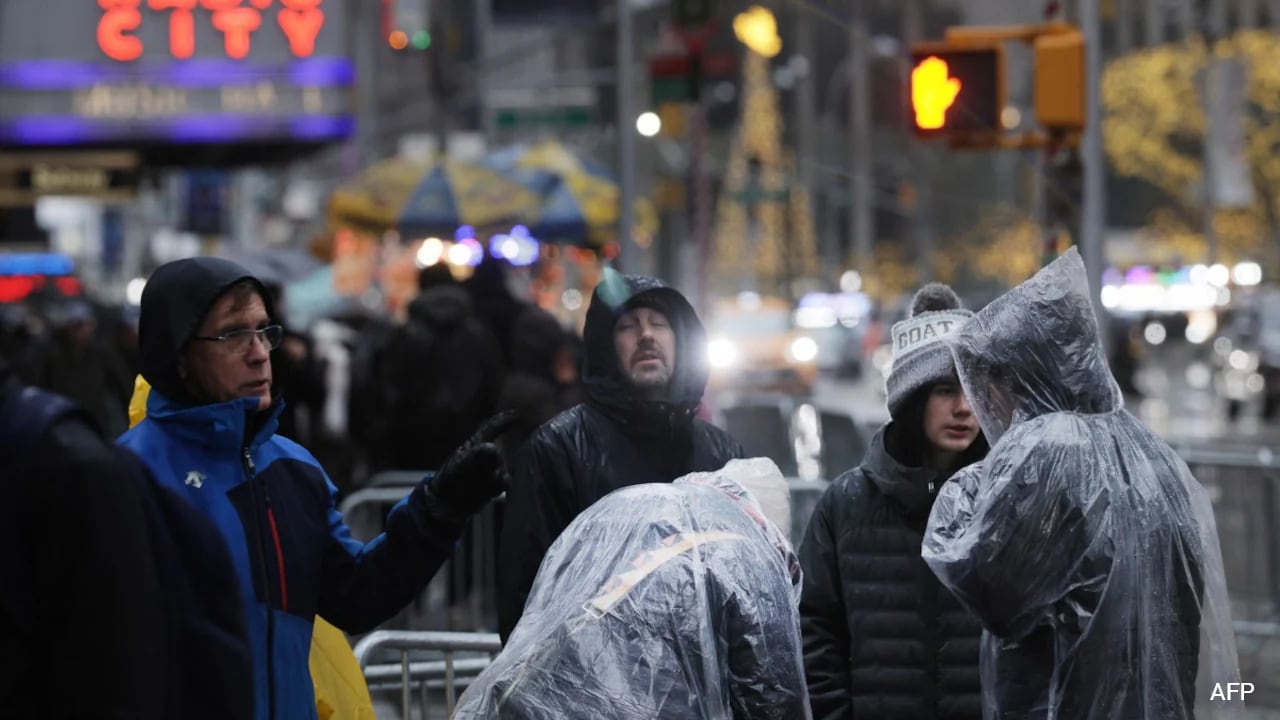
New York's Macy's Thanksgiving Day Parade is the kind of fixture people assume will happen come hell or high water. Yet high winds forced organizers to shift the parade to Saturday, postponing it due to weather for the first time in its 100-year history. Think about that for a second. Giant helium balloons act like sails in strong gusts. Sending massive inflatables down wet Manhattan streets in whipping wind isn't just bad television; it's a real public safety hazard.
History backs up that caution. The last major weather disruption happened in 1971, when cold, wet, windy weather forced officials to ground several balloons. Back in 1997, gusting winds pushed a Cat in the Hat balloon into a lamppost that toppled onto a bystander and caused severe injuries. Between 1942 and 1945, the parade didn't run at all because of a wartime helium shortage. Seeing the event pushed to Saturday reminds you that nature doesn't care about television schedules or holiday shopping kickoffs.
How This Holiday Storm Rippled Beyond the Grid
Power lines get the headlines, mostly because darkness is immediate and personal. Still, the storm's footprint stretched far past local substations. Air travel felt the squeeze immediately during one of the busiest travel windows of the calendar year, with tracking service FlightAware logging roughly 1,600 delays and more than 500 cancellations on Friday as lingering weather and recovery bottlenecks rippled through airline schedules.
Coastal communities from North Carolina to New Jersey dealt with a double punch of heavy rain and high tide. Flooded roads forced emergency crews into water rescues in multiple states, turning familiar neighborhood routes into impassable channels overnight. Anyone who drives low-lying coastal roads knows how fast water can creep up to a bumper in the dark. You can't judge water depth easily from a driver's seat at night, and stalling an engine in saltwater or muddy runoff ruins a car fast.
Meanwhile, the bad weather wasn't confined to one coast or one precipitation type. Parts of Tennessee faced winter storm warnings for light snow after rain shifted colder, while mountain passes in Montana and Wyoming braced for heavier snow. Out on the West Coast, high-tide-driven waves and record tides pushed water ashore from Humboldt County up north to Ventura County near Los Angeles, forcing evacuations and disrupting coastal rail service on Amtrak's Pacific Surfliner between San Diego and Los Angeles.
Why Weather Extremes Hurt More During Holidays
There's a specific reason storms feel sharper around Thanksgiving. Normal weekdays have built-in slack—offices close, schools adjust, neighbors keep regular routines. Holidays pack millions of people onto highways, runways, and regional trains at the exact same time, often visiting relatives in unfamiliar neighborhoods or older homes.
I've seen plenty of travelers pack for a mild autumn visit to the mid-Atlantic or Northeast, only to get stuck in a 42-degree house with no backup heat because the thermostat runs on a smart relay or electric blower. Gas furnaces often still need electricity to run fans and igniters. Wood stoves help if you have dry seasoned wood and a clean flue, though many suburban houses don't have either. It's a classic blind spot. People plan menu lists weeks ahead and spend zero minutes thinking about what happens if the power dies at 6 p.m. on Thursday.
What People Get Wrong About Outage Restoration
One big misconception is that utilities fix outages strictly in order of who called first. They don't. Restoration follows strict engineering triage. Crews start with hospitals, water treatment plants, emergency dispatch centers, and major transmission lines feeding thousands of homes. Next come main distribution feeders serving large neighborhoods. Individual service drops to single houses usually come last.
That triage makes total sense once you see how a grid works. Fixing one house line takes time; bringing back a main feeder restores power to hundreds of customers at once. Still, knowing that hierarchy helps set realistic expectations when your street stays dark while the next block over lights up.
Another common myth is that underground lines make neighborhoods storm-proof. Undergrounding definitely protects wires from falling branches and wind whip, which is why new developments often bury lines. Yet underground gear isn't magic. Flooded vaults, waterlogged transformers, and long repair times when faults do occur can turn underground outages into multi-day headaches. Nothing in grid engineering is free or immune to extreme weather.
The Real Cost of Waiting Until the Lights Flicker
Too many homeowners treat emergency prep like a chore for "preppers" rather than practical maintenance. A small portable power station or inverter generator bought in August sits ready in the garage. Trying to find one in stock during a regional storm—or running a generator safely without risking carbon monoxide poisoning—is a completely different story.
Never run a portable generator inside a garage, basement, or enclosed porch, even with the door cracked. Carbon monoxide is colorless, odorless, and lethal. Keep generators well away from windows, doors, and HVAC intakes, and use heavy-duty outdoor-rated cords rather than daisy-chaining thin indoor extension strips.
Practical Next Steps Before the Next Winter System Hits
Winter has barely started in late November, and cold-season storms have plenty of runway left through February and March. If this week's outages caught you off guard—or made you realize how thin your backup plan really is—take a few concrete steps this weekend while the weather settles:
- Check your outage status directly with your utility: Log into your electric provider's outage map using your account number so you get accurate restoration updates rather than relying on rumors or outdated social posts.
- Keep critical devices and lights staged: Charge power banks to 100 percent, test flashlights and headlamps with fresh batteries, and store a few gallons of drinking water in case pressure drops.
- Protect food and plumbing before temperatures dip: Keep refrigerator and freezer doors closed during an outage—a full freezer holds safe temperatures for roughly 48 hours, and a half-full one for about 24 hours—and know where your main water shutoff valve sits if pipes risk freezing.
- Plan travel with buffer time: Check National Weather Service alerts and road or transit advisories before heading out, pack warm layers and blankets in your trunk, and never drive through flooded roadways.
Weather like this isn't going away anytime soon. Preparing a little bit now turns a stressful holiday disruption into an inconvenience you can actually handle.