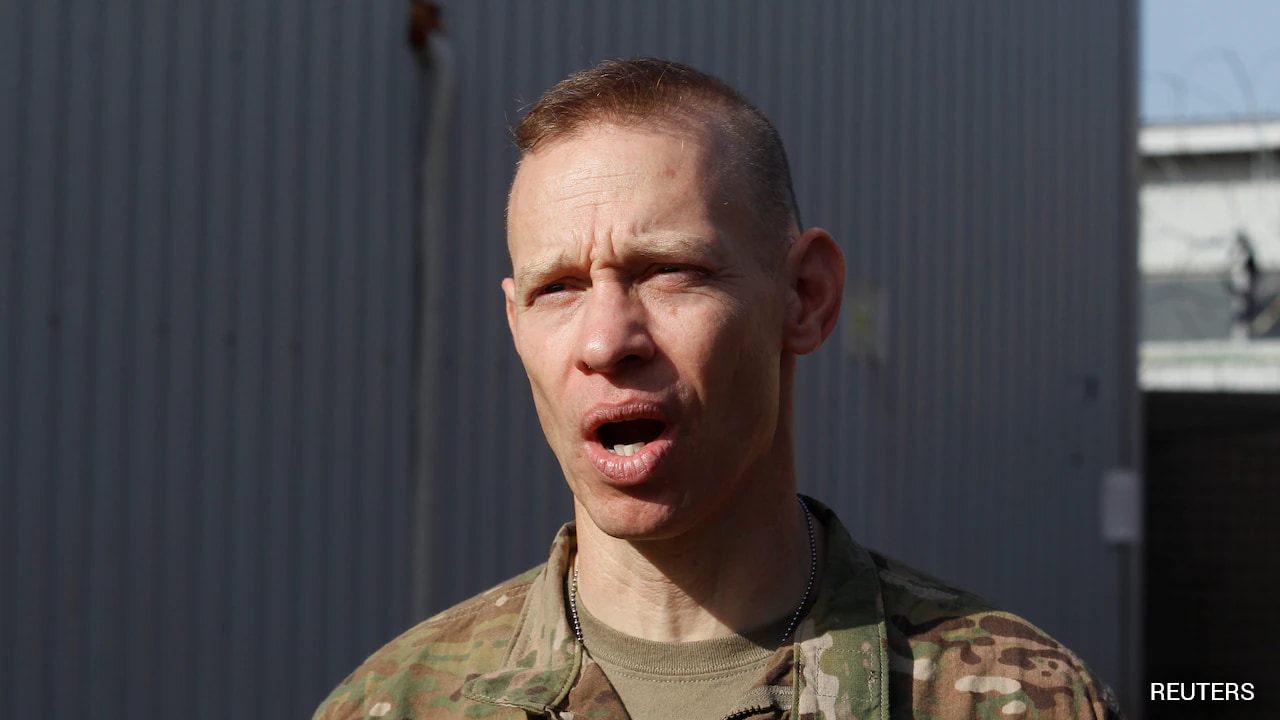
High-level military dismissals rarely happen quietly, but the sudden firing of Lieutenant General Brett Sylvia sent shockwaves straight through the heart of the Pentagon. Defense Secretary Pete Hegseth didn't hesitate when intelligence pointed toward severe security breaches. When a top military strategist responsible for shaping critical defense plans gets flagged for leaking sensitive operational details to journalists, it signals an aggressive internal crackdown on classified information.
Sylvia’s dismissal wasn't just a standard personnel shuffle. It followed a rigorous internal probe involving multiple polygraph tests and video-recorded admissions. For an officer with a 32-year career, six Bronze Star medals, and a Purple Heart, the fall was remarkably fast.
How the Investigation Unraveled
The scrutiny began as part of a broader push by the administration to plug unauthorized disclosures regarding active military engagements, specifically involving details on the wars in Iran and Ukraine. As the Pentagon tightened restrictions on media access and communication channels, investigators started looking closely at how classified assessments were reaching reporters.
Reports indicate that Sylvia communicated with journalists using encrypted messaging applications like Signal and even arranged in-person meetings at a Silver Diner in Arlington, Virginia. During these encounters, the veteran general reportedly relied on notes he had taken while reviewing classified documents, orally briefing a writer working on a book. None of these meetings were cleared through the Pentagon's public affairs office.
Investigators subjected Sylvia to polygraph examinations. After failing multiple lie detector tests, officials stated that he made detailed admissions on video regarding the unauthorized sharing of sensitive defense intelligence. The Department of Justice received the case file for potential criminal review as the wider investigation remains active.
The Fallout Inside the Joint Staff
As Director of the J5—the Joint Staff directorate focused on strategic plans and policy—Sylvia occupied one of the most sensitive operational seats in the military. His office helps coordinate military plans for the Chairman of the Joint Chiefs of Staff and the President. Losing a key planner in the middle of active global tensions leaves a noticeable operational gap.
President Donald Trump addressed the high-profile firing directly, emphasizing a zero-tolerance stance on unauthorized disclosures. The administration has steadily increased internal security measures, restricted unescorted media presence within defense facilities, and classified parts of the press office itself to curb future leaks.
Initially, the Joint Staff issued a routine statement thanking Sylvia for his three decades of service, but that message was quickly retracted after officials determined it did not accurately reflect the severity of the ongoing legal and administrative proceedings.
Broader Implications for Pentagon Security
Leaking classified assessments to authors and reporters has long been a quiet friction point between national security officials and the press. However, the current leadership is treating these breaches with unprecedented hostility. Sylvia is not the first senior official to exit under a cloud of suspicion during this administrative push, but his rank and the explicit nature of his polygraph failures make this case stand out.
The case highlights the thin line between strategic communication and federal criminal liability. When senior leaders bypass established public affairs channels to shape narratives or assist civilian book projects, the legal consequences can instantly derail decades of honorable service.
Federal investigators continue to review the digital records, encrypted chats, and meeting logs associated with the case. As the Department of Justice weighs its next steps, the message to the defense establishment is entirely clear: unauthorized sharing of war plans will face immediate prosecution.