Running a 50/50 draw from a Facebook page feels harmless enough when the money buys winter socks for people who need them. Then a compliance officer calls and shuts the whole thing down.
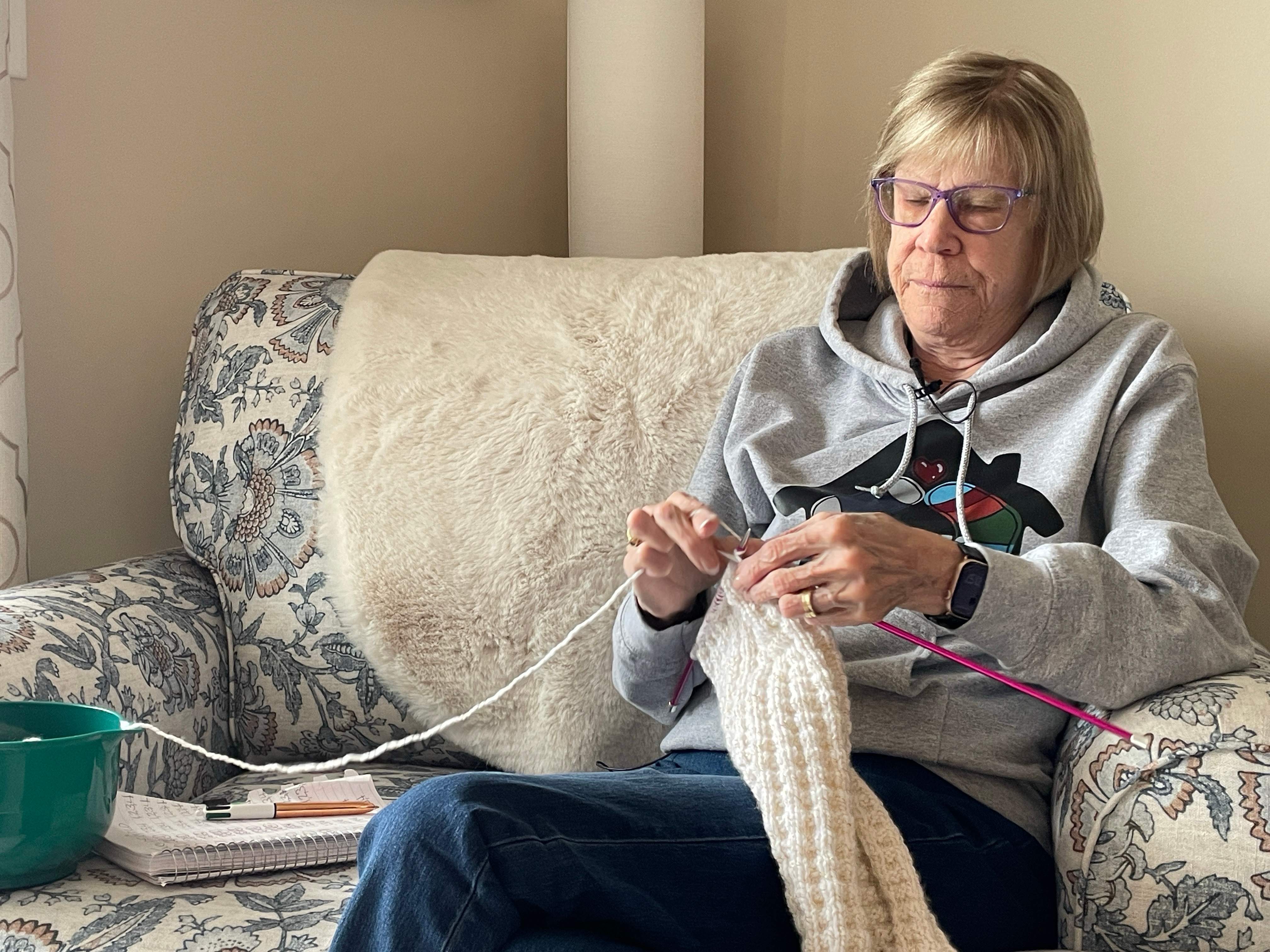
That's what happened to Mary Crosby in Nova Scotia. Known locally as Mary Queen of Socks, she had been running a 50/50 draw through her Socks for Shelters Facebook group for about a year and a half. Those draws helped fund at least 10,000 pairs of socks on her push toward 25,000 pairs for local shelters. When the Alcohol, Gaming, Fuel and Tobacco Division of Service Nova Scotia ordered her to stop right away, she said she was crushed. Honestly, it's hard not to feel for her. You see raffles popping up all over social media, so assuming a grassroots charity draw is fine makes total sense to a lot of people.
It doesn't work like that under the law. Even when every single dollar goes toward a great cause, 50/50 draws count as regulated gaming activities under provincial rules tied to federal gambling laws. Regulators step in to keep lotteries fair, transparent, and tied to approved charitable structures.
Why Grassroots Charity Raffles Run Into Trouble
People often mix up "doing good" with "being legally permitted to run a lottery." Those two things don't automatically line up.
In Nova Scotia, Service Nova Scotia spokesperson Susan McKeage pointed out that while the department values what Socks for Shelters does, provincial gaming rules exist to make sure lotteries run fairly and transparently and that money actually reaches its intended community or charitable purpose. From a regulator's perspective, a well-meaning individual running an unapproved draw on social media looks like an oversight blind spot, not just a friendly neighbor helping out.
Here is where good intentions usually collide with red tape.
- Social media makes rule-breaking look normal. Crosby told Global News she didn't realize she couldn't run those draws because she sees so many of them online. When your feed is full of raffles, it's easy to assume they're all cleared and fine.
- Knitting isn't the bottleneck, buying at scale is. Crosby knits some socks herself, yet buying thousands of pairs requires real cash. Once a volunteer project grows from a few dozen handmade pairs to tens of thousands of purchased ones, casual fundraising starts hitting institutional rules.
- Individual organizers lack lottery licensing. Many smaller community initiatives don't hold the kind of charitable lottery licence required for a 50/50 draw on their own.
I've seen plenty of local organizers get blindsided by rules like this. Usually nobody wakes up planning to break gaming laws. They just want to solve a practical problem—cold feet at a shelter—and pick the fastest fundraising tool they know.
A Real Shelter Partnership Opens Another Door
Shutting down a draw doesn't mean the socks have to stop. Sometimes it just changes who holds the licence and how the money moves.
Service Nova Scotia noted that groups that don't qualify for their own gaming licences can look at alternatives, including being listed on a charitable lottery licence held by the organization they support. That matters a lot for Crosby's effort. Cherry Laxton, COO of Souls Harbour Rescue Mission—which has taken in tens of thousands of socks from Crosby—said the mission wants to collaborate with her to find a way forward.
That's a huge practical difference. Partnering with an established charity that already navigates compliance can keep a community drive alive without forcing a solo volunteer to become a gaming compliance expert overnight.
What Volunteers Should Watch Before Launching a Draw
If you're planning a community fundraiser, don't wait for a compliance call to learn the rules. Check the ground rules first.
A few practical habits save a lot of stress:
- Ask the regulator before selling a single ticket. Even a quick check with your provincial gaming or lottery office beats having to halt a campaign mid-stream.
- Partner with an eligible charity early. If a shelter or rescue mission already holds a charitable lottery licence, ask early whether your drive can operate under their umbrella rather than going solo.
- Separate direct goods donations from lottery cash. If a 50/50 draw is off the table, people can still buy socks directly off a shelter wishlist or donate cash straight to the partner organization.
- Keep receipts and clear records. Transparency protects both the organizer and the charity, especially when money is collected from the public.
Crosby has said she's optimistic because the province reached out and is willing to work on a solution with her, even though she isn't sure yet how next year's Socks for Shelters campaign will run without the 50/50 draw. Good intentions get people started, sure. Working within the rules—or teaming up with a licensed partner who already knows them—is what keeps the help coming year after year.



