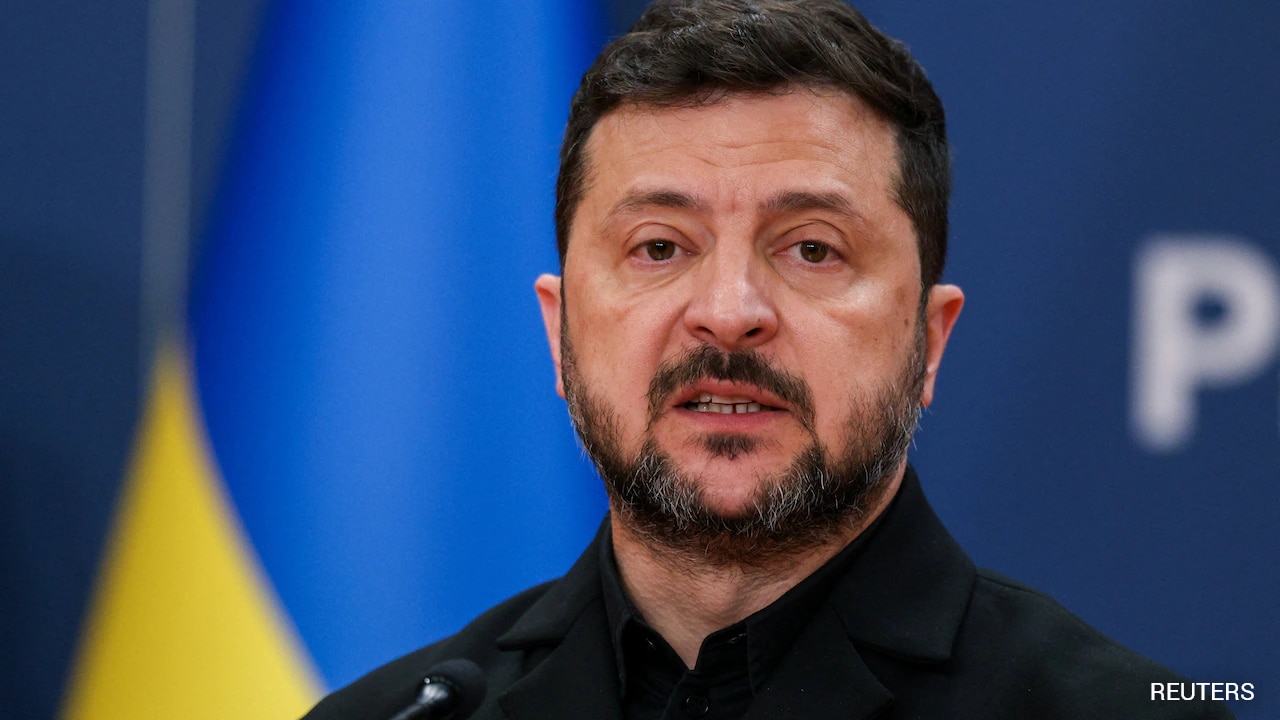
When President Volodymyr Zelenskyy tells civilians to listen closely to missile alarms over the next few days, you don't treat it as routine political noise. This warning is the second one he's issued this week. And it lands right on the heels of an overnight ballistic missile attack on Kyiv that wounded seven people and hit a shopping center alongside two other buildings.
If you're searching for what this warning actually means, the short answer is simple. Kyiv and other Ukrainian cities have faced near-constant, round-the-clock attacks since September, and intelligence points to another large-scale wave coming soon. At the same time, Ukraine's military and intelligence services are pushing back deep inside Russian territory, claiming hits on energy infrastructure and military airfields far from the border.
Two-minute wire summaries barely scratch the surface of how this war is playing out right now. Reading a short syndicate report gives you the headline, not the mechanics. When I look closely at how air campaigns, long-range drone strikes, and counter-claims collide in late autumn, a few clear patterns stand out—along with plenty of fog of war that demands caution.
Why Zelensky Warns Of A New Russian Mass Strike Now
Let's be honest about what a presidential warning like this does. It isn't just about alerting people to a single incoming volley. It signals that Ukrainian intelligence sees preparations—missile staging, logistics movement, or launch readiness—pointing toward a coordinated wave rather than isolated harassment.
After months of sustained pressure since September, air defense crews, emergency responders, and power grid operators are operating under chronic strain. Even when interceptors knock down incoming threats, debris, falling fragments, and ballistic trajectories still create deadly risks on the ground. Mayor Vitali Klitschko reported seven people wounded and damage to a shopping center and two other structures after the overnight ballistic strike on Kyiv. Moscow, meanwhile, claimed its forces struck drone-related sites in the city.
Notice that gap right away. Both sides routinely insist they don't target civilian sites, yet civilians keep getting hurt and commercial or residential areas keep taking hits. Whenever you read wartime strike claims from either capital, treat official targeting statements with healthy skepticism. Ballistic missiles and long-range drones can miss aim points, suffer guidance errors, or hit near dual-use or contested facilities, turning civilian spaces into casualties.
What Repeat Warnings Tell Us About Air War Dynamics
Issuing a second mass-strike warning within the same week carries weight for two reasons. First, it shows Kyiv wants citizens in shelters fast rather than waiting until sirens blare seconds before impact. Second, it reflects a grim reality of modern attrition: Russia still retains enough ballistic missiles and strike capacity to threaten major urban centers repeatedly, even after years of combat.
In my experience following modern air-and-missile exchanges, defenders rarely win by catching every single projectile in midair. That's basically impossible at scale over long periods. Survival depends on layered early warning, hardened shelter habits, rapid medical response, and keeping critical services running after a hit.
How Deep Strikes Inside Russia Change The Equation
You can't look at Russia's looming mass strike in isolation. Ukraine isn't just absorbing blows; it's trying to impose costs deep inside Russia.
According to the reporting on overnight developments, Ukrainian military intelligence said its drones struck an oil refinery in Russia's southern Krasnodar region. Separately, Ukraine's military reported hitting oil reservoirs at a Transneft facility in the central Bashkortostan region and striking the Marinovka military airfield in the Volgograd region.
Look at the geography there. Bashkortostan sits deep in central Russia, nowhere near the front line. Volgograd and Krasnodar are major strategic hubs too. Striking fuel storage, refining capacity, and airfields far from the border forces Moscow to stretch air defenses across a massive landmass and complicates fuel supply and aviation logistics.
At the same time, don't jump to conclusions about immediate battlefield collapse. Independent verification in active war zones is notoriously hard—Reuters noted it couldn't immediately verify those statements. Fuel depots and refineries can burn dramatically on video without immediately halting every military operation. Still, hitting logistics and energy nodes is a classic way for a smaller or resource-constrained force to raise the friction and cost for a larger adversary.
Common Misconceptions People Have About Mass Strikes
When headlines scream about a "new mass strike," people tend to picture a single apocalyptic hour where everything stops at once. That's rarely how it works in practice.
Here are a few things people get wrong:
- A mass strike means zero defenses work. Even when attacks are heavy and relentless since September, air defenses and electronic warfare still disrupt or intercept plenty of threats. A strike can be dangerous and damaging without succeeding completely.
- Claims from either side equal settled fact. When Ukraine reports hits in Bashkortostan, Volgograd, or Krasnodar, or Russia claims it hit drone sites in Kyiv, those are wartime assertions until independent imagery or verifiable evidence confirms the extent of damage.
- Civilian harm only happens when someone explicitly aims at homes. In reality, ballistic strikes in dense cities, falling debris, and contested targets regularly endanger ordinary people regardless of what spokespeople say at briefings.
- Long-range strikes inside Russia end the war overnight. Hitting oil reservoirs or airfields hurts and annoys Moscow, yet Russia still launches ballistic missiles at Kyiv. Both pressures can coexist for a long time.
What Makes This Moment Especially Tense
Late autumn brings colder weather, shorter daylight, and higher stakes around energy, heating, and infrastructure. When cities like Kyiv have already endured near-continuous attacks since September, fatigue sets in. People get tired of alarms. Emergency crews get exhausted. Every new warning tests resilience all over again.
There's also a psychological tug-of-war happening. By warning publicly in a nightly address, Zelenskyy puts pressure on allies to keep air defense interceptors and support flowing while signaling to Russians that strikes on Ukraine won't go unanswered. That's not just theater; it's wartime communication aimed at both domestic morale and foreign capitals.
Still, we should be honest about what isn't known from a brief dispatch. A short wire report doesn't tell you the exact mix of missiles versus drones Russia might use, how much air defense stock Ukraine has on hand, or how much physical throughput was lost at those Russian oil and airfield sites. Acknowledging those blind spots makes your reading of the news way sharper than falling for neat narratives.
Practical Next Steps When Tracking Fast-Moving War News
If you're following this situation closely—whether for research, analysis, or personal awareness—how you consume updates matters just as much as which outlets you check.
- Separate official claims from verified facts. Note who made each statement—Zelenskyy, Mayor Klitschko, Moscow, Ukrainian military intelligence, or Ukraine's military—and look for independent confirmation before treating damage reports as final.
- Track patterns over single headlines. One ballistic strike or one drone claim is a data point. Watching the arc since September and noting repeat warnings in a single week tells you much more about tempo and pressure.
- Watch logistics and infrastructure, not just front-line lines. Strikes on oil reservoirs, refineries, airfields, and urban centers affect fuel, air operations, and civilian life in ways map lines alone don't show.
- Stay grounded when details are thin. When reports are fresh or unverified, wait for corroboration rather than repeating rumors or exaggerating outcomes.