Diplomacy rarely moves in a straight line, but the current convergence of high-stakes meetings in Paris and the United Arab Emirates feels less like diplomacy and more like a high-stakes scramble. While G7 foreign ministers gather in Paris to figure out their next moves, U.S.-mediated talks are quietly kicking off in Abu Dhabi.
If you are wondering why everyone in European capitals is suddenly nervous, look no further than who is—and isn't—at the table.
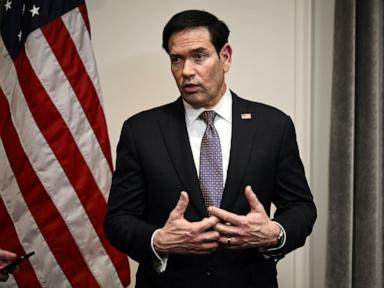
For months, the transatlantic alliance has operated on a shared script regarding the war in Ukraine. Now, that script is being rewritten behind closed doors. U.S. Secretary of State Marco Rubio finds himself walking a tightrope in Paris, trying to keep G7 allies aligned while Washington pursues parallel tracks in the Middle East.
The Abu Dhabi Factor
The decision to host trilateral talks in Abu Dhabi changes the entire diplomatic calculus. Originally billed as a direct back-channel between Washington, Moscow, and Kyiv, these discussions have immediately triggered anxiety across European capitals.
Moscow has historically pushed to exclude European powers from security architecture negotiations, arguing that the real conversation happens between superpowers. Kremlin spokesman Dmitry Peskov made no secret of this preference, openly dismissing European demands for a seat at the table by claiming European leaders cannot even decide who speaks for them.
That exclusion stings in Paris, Berlin, and London. European leaders remember past divisions of the continent all too well. Ukrainian President Volodymyr Zelenskyy didn't mince words either, publicly warning that crafting a continental settlement without direct, transparent European inclusion carries echoes of historical mistakes where smaller nations had their fates decided by others.
What G7 Ministers Are Actually Arguing About in Paris
Behind closed doors at the French foreign ministry, the atmosphere isn't just about solidarity. It is about damage control.
European defense and security assistance has faced mounting pressure, particularly as Washington shifts its tone under President Donald Trump. When U.S. officials float the idea of a broader European security architecture that addresses Kremlin concerns, European governments hear code for rewriting post-Cold War borders and security guarantees.
G7 foreign ministers are trying to pin down concrete answers. Will U.S. backing for Ukraine remain robust enough to prevent a collapse on the battlefield? How much input will Europe actually have if Washington and Moscow manage to sketch out the broad strokes of a ceasefire in the Gulf?
The truth is that neither side on the battlefield is showing signs of tactical exhaustion yet. Hundreds of thousands of casualties have piled up, cities remain scarred, and the front lines in eastern Ukraine are as brutal as ever. Yet diplomatic pressure is surging because political clocks in Washington and other capitals are ticking faster than military ones.
The Real Risk of Backroom Deals
The biggest danger in fast-tracked, mediated diplomacy isn't failure—it's a flawed success.
If Washington manages to hammer out an interim agreement in Abu Dhabi that ignores core European security realities or forces unacceptable concessions onto Kyiv, it won't bring lasting peace. It will simply freeze a conflict while storing up fuel for the next explosion.
European officials are demanding that any preliminary agreement in the UAE must immediately feed into a broader multilateral framework where European voices aren't just tolerated as an afterthought.
Keep your eyes on how the Paris communiqué reads once the G7 meetings wrap up. If the language sounds overly cautious, you will know the friction behind closed doors was real.
The next few days will determine whether Western unity survives this new diplomatic detour, or if the cracks in the alliance finally split wide open.



