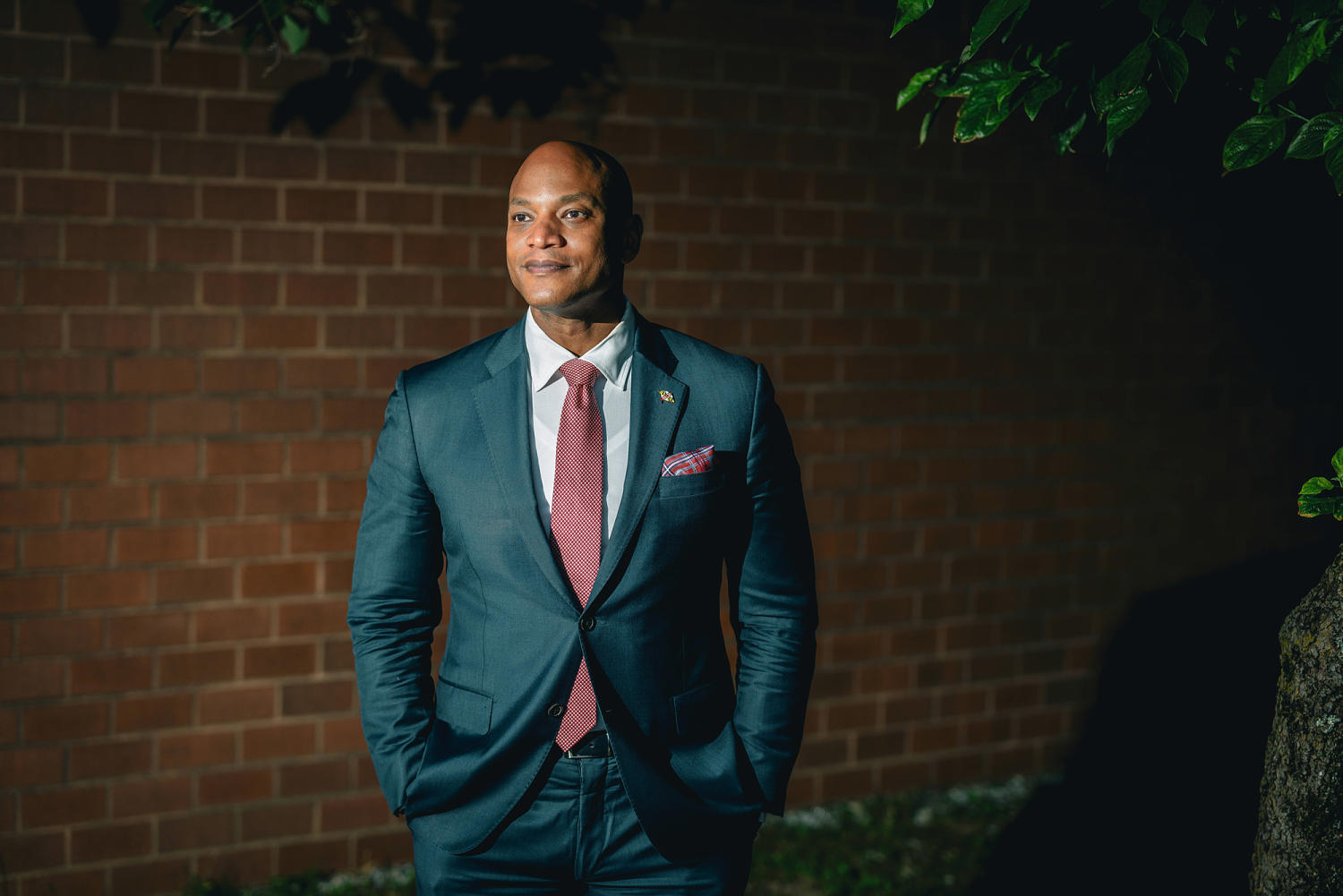
National headlines love a simple narrative. They want every high-profile governor framed as either a foot soldier in national culture wars or an inevitable white-house hopeful testing the waters for a future presidential run. But Maryland Governor Wes Moore is currently caught up in an entirely different kind of friction. Forget standard partisan cable news squabbles. His real battleground sits right at the intersection of local economic survival, state-level map redraws, and the grueling mechanics of governance.
If you look past the superficial speculation about higher office, you see a state leader trying to manage massive fiscal constraints while handling aggressive mid-decade redistricting pressures. It’s messy work. And it doesn't fit neatly into a standard 30-second television segment.
The Reality of Mid-Decade Map Battles
Most voters assume political boundaries are locked in for a full ten-year cycle right after a census. That script got thrown out the window. When other states started aggressively shifting maps mid-decade, pressure mounted on Democratic governors to respond in kind to protect national congressional balances.
Moore found himself pushing Maryland to prepare for potential redistricting adjustments, drawing fierce pushback from opponents who argued it represented tit-for-tat hardball. Publicly, Moore frames the move not as an optional partisan escalation, but as a defensive necessity.
"No individual state alone is going to be able to figure out," Moore noted during public forums addressing the chaotic landscape of national map manipulation. "It's going to really take coordination between all of our individual states."
Yet behind closed doors, governors pushing these changes walk a tightrope. They risk alienating moderate voters who are exhausted by constant electoral engineering while simultaneously disappointing party purists who demand immediate retaliation against opposing state legislatures.
Balancing Local Infrastructure With National Ambitions
Every time Moore steps onto a national stage or speaks with network anchors, commentators try to decode his body language for presidential aspirations. He routinely brushes off the speculation, pointing instead to the concrete problems back home in Maryland.
The state hasn't had the luxury of breathing room. Managing the fallout and physical rebuilding after the Francis Scott Key Bridge collapse drained massive amounts of administrative bandwidth. At the same time, his administration wrestled with tough budget realities, signing amended fiscal packages that required painful balancing acts between public education funding and law enforcement allocations.
When you spend your mornings coordinating disaster recovery and your afternoons trying to close widening racial wealth gaps through initiatives like the ENOUGH Act, national political punditry feels detached from reality. Voters aren't asking about future primary matchups when they're worried about basic cost-of-living increases.
Redefining Patriotism Outside the Two-Party Box
Another front in Moore’s quieter campaign involves language and identity. Rather than ceding concepts of national pride to conservative firebrands, he has made a deliberate effort to reclaim patriotism as a non-partisan baseline.
During holiday addresses and policy rollouts, he repeatedly argues that true service isn't found in partisan posturing. It shows up in local community work, teaching classrooms, and emergency response teams. It’s an intentional rhetorical pivot. By stripping the red-versus-blue branding off civic engagement, he tries to disarm the opposition.
Critics on the right argue it's standard branding for a rising national figure. Progressive critics occasionally wonder if it waters down necessary systemic critiques. But locally, it strikes a chord with voters tired of perpetual outrage cycles.
What Comes Next for Maryland's Governance
The friction Moore faces isn't going away. Governing a mid-Atlantic state with deep urban-rural divides means every policy choice—whether it's housing reform legislation or energy transition grants—triggers immediate pushback.
He signed housing measures aimed at expanding supply, but watched critical companion bills stall out in committee because local zoning fights run deep. That's the unglamorous grind of executive leadership. You win some legislative battles, compromise on others, and take the political hits for whatever fails.
Ignore the noise about where he's headed next. The actual test of his tenure is happening right now in statehouse committee rooms and local town halls, where grand rhetoric meets the hard wall of reality.
2026 Maryland gubernatorial debate: Key Bridge | NBC4 Washington
This video provides an up-close look at the exact local debates and pressing regional infrastructure issues shaping current political battles in Maryland.
http://googleusercontent.com/youtube_content/1



