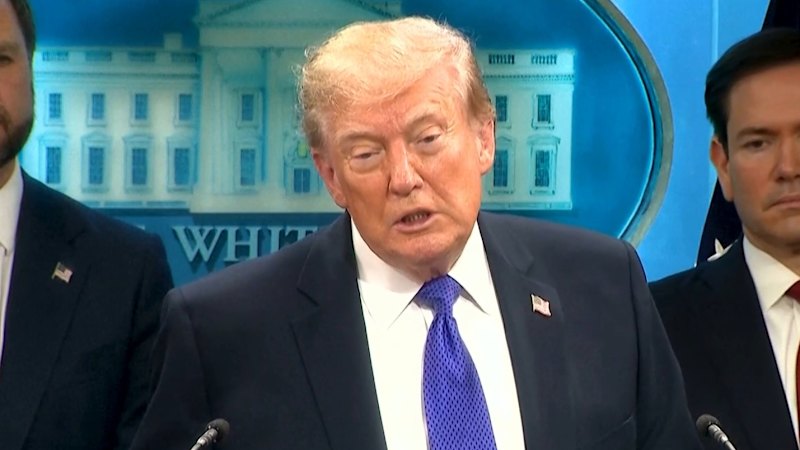
Donald Trump says he wants a permanent deal with Iran that locks out nuclear weapons for good, no matter who sits in the White House four, fifteen, or twenty years from now.
That's the headline version. In reality, turning a temporary truce into something permanent after nearly nine months of fighting, a naval blockade, and repeated ceasefire breakdowns is a massive diplomatic puzzle. Trump made his remarks in a Fox News phone interview on Saturday, November 21, 2026. He argued that past agreements failed because Tehran broke them quickly, and he claimed Washington has now dealt with successive shifts in Iranian leadership.
At the same time, negotiations remain stuck on basic terms. Just a day earlier, Trump said Iran wants a deal but isn't offering one acceptable to him, while Iranian Foreign Minister Abbas Araghchi insisted Tehran still wants a diplomatic exit yet refuses to budge on keeping enriched uranium inside the country.
What a permanent deal with Iran actually means
When politicians say "permanent," they usually mean ambitious. In foreign policy, permanence is hard to guarantee without treaties ratified by the Senate, verifiable inspections, and enforcement that survives changes in government.
Trump's core point in the Fox News interview was political durability. He didn't want a future U.S. president to walk back restrictions and let Iran build a nuclear weapon. That reflects a familiar Washington frustration. Critics of earlier nuclear diplomacy have long argued over whether executive understandings hold up over time, while supporters of strict verification counter that unilateral walkouts only remove constraints.
Honest talk here. A handshake or even a bilateral memorandum doesn't bind future administrations the way a formal treaty might, and even treaties face real-world friction when tensions flare.
Nuclear red lines and enriched uranium
Every serious track of the U.S.-Iran standoff comes back to nuclear material and enrichment.
Reportedly, around 440.9 kilograms of uranium enriched to 60% from mid-2025 has remained a sticking point in talks, alongside earlier preconditions involving enriched uranium transfers and nuclear facilities. From Washington's perspective, leaving high-enriched material inside Iran keeps breakout risk alive. From Tehran's perspective, giving up domestic enrichment or shipping material out looks like surrender under pressure.
That gap isn't small. It's the difference between a deal that satisfies U.S. nonproliferation demands and one Iranian leaders can sell at home without looking weak.
Ceasefires, blockades, and why trust is shot
You can't talk about a permanent settlement in November 2026 without looking at how fragile earlier pauses proved to be.
Fighting erupted after U.S. and Israeli strikes on Iran on February 28, 2026, triggering Iranian retaliation across the region and severe disruption around the Strait of Hormuz. Over the spring and summer, mediators—including Pakistan and later Qatar—helped broker ceasefires and frameworks, such as the April truce and the June Islamabad Memorandum. Yet hostilities flared again in July, and the U.S. naval blockade and maritime standoff kept pressure high.
By November 2026, talks mediated in Doha have focused on practical trade-offs—such as unlocking frozen funds, easing sanctions or naval pressure, and restoring safe shipping through the Strait of Hormuz—alongside nuclear questions. When both sides have recently traded strikes and blamed each other for broken promises, trust isn't just low. It's basically nonexistent.
Why regime change and leadership shifts complicate the pitch
Trump's Fox News comments also touched on a question observers keep asking: is Washington trying to topple the Iranian government?
He said he wasn't particularly interested in regime change, while noting that U.S. actions had involved dealing with successive groups of Iranian officials—calling that "the ultimate regime change" in effect while adding that current negotiators are still tough to deal with.
In my view, that tension shows up throughout the conflict. If Washington pushes hard on leadership and military pressure, Tehran digs in and fears a trap. If Washington wants a durable bargain, it still has to negotiate with the actual authorities in power who control centrifuges, missiles, and shipping lanes.
Regional players watching from the sidelines
This isn't a two-player game, even when Washington and Tehran talk indirectly through mediators.
Gulf states, regional neighbors like Qatar, Turkey, Egypt, and Pakistan, plus major powers like China and Russia, all feel the spillover when Strait of Hormuz shipping slows or oil and gas markets get jittery. Roughly a fifth of global oil and liquefied natural gas passes through that narrow waterway under normal conditions, so any permanent peace pitch is also an economic pitch to global markets.
European allies and partners like Australia have also weighed in at different points on de-escalation and freedom of navigation, reminding everyone that regional stability affects trade far beyond the Persian Gulf.
What people get wrong about peace talks in this standoff
One common misconception is that a single dramatic announcement equals peace. Over the past year, headlines about truces or frameworks have repeatedly given way to fresh friction once technical details—like sanctions relief, inspections, or maritime rules—hit the table.
Another mistake is assuming tough rhetoric rules out a deal. Leaders frequently harden their public posture right before or during indirect talks to signal resolve and protect domestic leverage. Watching what happens through mediators like Qatar matters far more than cable-news soundbites alone.
Finally, don't confuse a ceasefire with a permanent settlement. A ceasefire stops shooting for now. A permanent deal requires verification, mutual concessions, and incentives that both sides can live with over years, not weeks.
Practical next steps if you're tracking the negotiations
If you want to follow whether this push for a permanent deal with Iran goes anywhere rather than getting whiplash from daily headlines, focus on concrete signals:
- Track mediator updates in Doha and regional capitals. Watch for verified movement on frozen funds, maritime passage in the Strait of Hormuz, and clear timelines rather than vague claims of progress.
- Watch the enriched uranium and inspection details. Any real breakthrough on nuclear permanence will spell out what happens to high-enriched stockpiles and international monitoring.
- Check oil, freight, and insurance indicators. Energy markets and shipping routes react fast when risk genuinely drops—and stay cautious when it doesn't.
- Read primary briefings from credible wire and international outlets. Compare statements from Washington, Tehran, and neutral mediators side by side so you don't get fooled by conflicting spin.



