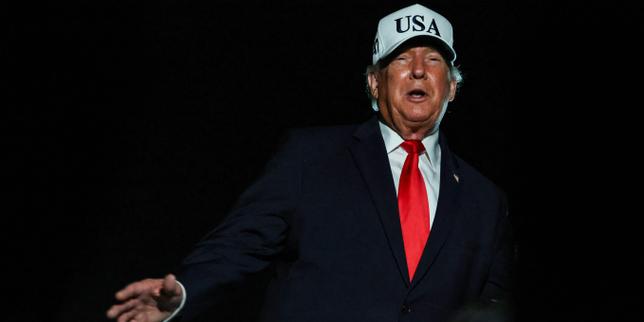
Politics is a game of extremes until the ballots are counted. Donald Trump just offered a striking concession that caught supporters and critics off guard, admitting in a CBS interview that his administration's signature mass deportation policy might have been "too tough". Coming hot on the heels of a bruising midterm election cycle where his party faced a sharp political backlash, this pivot reveals a sudden realization about the limits of hardline border optics.
When you spend years campaigning on absolute crackdowns, dialing it back feels counterintuitive. Yet, political survival forces sudden evolutions. Let's look at what actually triggered this shift, why the enforcement strategy hit a wall, and what it means moving forward.
The Midterm Reality Check and Voter Fatigue
Elections have a funny way of cutting through political rhetoric. Following a difficult showing for his camp in the midterm elections, Trump's recent comments signal an urgent recalibration. Voters wanted border security, but the human and economic footprint of rapid, aggressive removals started generating severe friction across suburban districts.
When families are disrupted, local labor shortages spike, and international headlines focus on chaotic enforcement scenes, public sentiment shifts. You can't ignore the data on the ground when constituents start voting against the chaos. The administration pushed aggressive removals at a historic scale, but the blowback finally penetrated the West Wing echo chamber.
The High Cost of Hardline Enforcement
Managing an immigration crackdown isn't just about giving speeches; it's about logistics, courts, and economic collateral damage. Over the past year, the administration's aggressive posture led to tens of thousands of rapid expulsions, drawing intense domestic and international condemnation.
Consider what happens when enforcement ignores systemic nuance:
- Legal challenges pile up faster than federal courts can clear them.
- Industries heavily reliant on foreign-born labor face sudden supply chain and workforce paralysis.
- Humanitarian crises emerge at processing points and destination countries alike.
Trump's admission that the policy was "too tough" isn't a sudden burst of empathy. It's a calculated adjustment to stop the bleeding. When a political strategy starts alienating the moderate base needed to hold legislative majorities, the calculus changes overnight.
Where Immigration Politics Goes From Here
Admitting a policy was too harsh doesn't mean the borders are suddenly opening back up. The core tenets of the administration's platform remain restrictive. However, expect a shift toward more targeted measures rather than sweeping, indiscriminate actions that capture mainstream media outrage.
Politicians hate admitting mistakes, which makes Trump's recent remarks noteworthy. Whether this rhetoric translates into genuine policy adjustments or remains a temporary talking point to appease jittery lawmakers depends entirely on upcoming legislative battles. One thing is certain: the absolute limits of mass deportation have finally hit political reality.