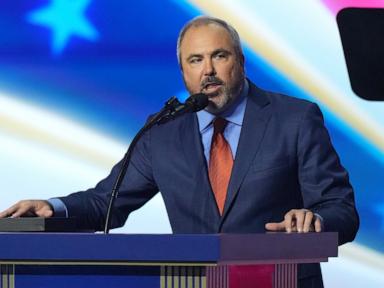
Elections have consequences, and sometimes they trigger immediate civil wars. Following a brutal wipeout in the 2026 midterm elections that handed both the House and the Senate over to the Democrats, the Grand Old Party is doing what it does best when things go south: turning on itself. At the center of this storm is President Donald Trump’s handpicked leadership choice for the Republican National Committee, who is now facing an unexpected and fierce internal rebellion.
If you thought the MAGA apparatus would quietly accept losing control of Congress without a fight, you haven't been paying attention. Lawmakers, donors, and grassroots organizers are looking at the smoking ruins of the midterms and asking hard questions about absolute loyalty versus actual electoral viability.
The Anatomy of a Midterm Wipeout
Let's be honest about what happened. The 2026 midterms weren't just a minor setback; they were a total structural collapse for the GOP. Rising living costs, stubborn inflation, and the fallout from the military conflict involving Iran created a massive blue wave. Voters didn't just express mild dissatisfaction—they handed Democrats a robust majority in Washington.
Instead of taking a collective look in the mirror, the blame game started almost immediately. Trump publicly pointed fingers at uninspiring local candidates, arguing that his name wasn't on the ballot and claiming he would have won. But party insiders aren't buying the deflection anymore. Across the country, voters made it clear that candidates who were seen as excessively tied to Trump's personal brand struggled mightily in once-safe districts.
Why the Party Chair is Taking the Heat
When you pick the leadership, you own the losses. That is the unwritten law of modern political party machinery. Trump's handpicked chair was installed to maintain tight control over the national committee's resources, messaging, and operational strategy.
Now, party rebels are using the midterm catastrophe to challenge that grip. State-level leaders and disgruntled donors are arguing that centralized control from Mar-a-Lago sidelined local ground games, starved competitive House races of cash, and ignored regional issues that actually mattered to suburban and independent voters. When a strategy fails this completely, loyalty ceases to be a shield against accountability.
The Battle Between Hardliners and Pragmatists
The Republican caucus is currently split into two distinct realities. In the House, surviving members largely represent deeply conservative districts where Trump remains overwhelmingly popular. Their instinct in the wake of defeat is to double down on confrontation, electing combative figures like Jim Jordan to lead. They want a street fight.
Meanwhile, the Senate and grassroots organizers are realizing that fighting the same fight with the same playbook is a recipe for permanent minority status. Senators like Josh Hawley have openly criticized the party for abandoning working-class priorities, rural healthcare, and economic pragmatism.
What Comes Next for the GOP
The myth of unquestioned control is cracking. Polls taken in the immediate aftermath of the election reveal that even a significant portion of Republican voters believe Trump's overall influence has waned. While the core base still demands total alignment, the broader coalition required to win national majorities is actively fracturing.
The rebellion against Trump's handpicked party chair isn't just about one person or one title. It's a proxy war for the soul of the conservative movement. If leadership refuses to adapt to what suburban and working-class swing voters actually care about, 2026 won't be an anomaly—it will be the new normal.
Stop pretending a party can ignore economic anxiety and expect blind loyalty to carry the day. The reckoning is here, and the old rules no longer apply.
This news report provides a direct look at the immediate political fallout and internal party revolts happening within the Republican leadership following the midterm losses.



