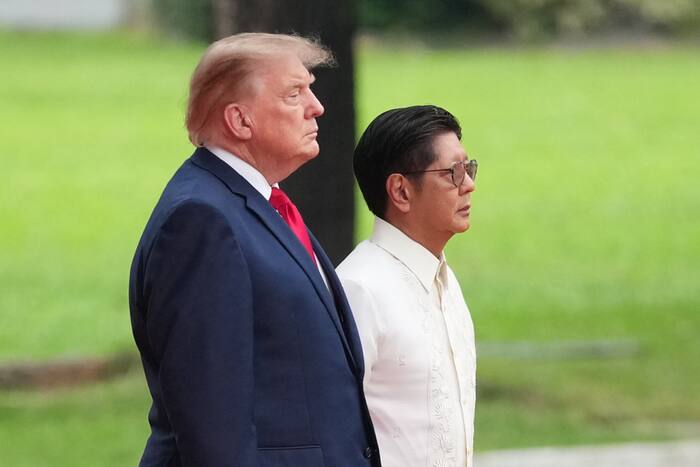
High stakes diplomacy rarely happens in a vacuum. When leaders travel across the globe for high-profile summits, every gesture, misstep, and unscripted moment gets scrutinized back home. Donald Trump's arrival in China for the Asia-Pacific Economic Cooperation forum marks a pivotal moment for international relations, but the real story lies beneath the official photo-ops. While the administration tries to project absolute strength on the world stage, the domestic backdrop is filled with mounting political pressure and a shifting global order.
The Reality of Unscripted Power Plays
Diplomacy has changed. Instead of relying strictly on traditional, heavily vetted bureaucratic channels, modern leaders often lean into personal chemistry and unscripted moments. Trump’s planned meetings with Chinese President Xi Jinping and Russian President Vladimir Putin in Shenzhen bring together the world's most influential and controversial figures.
You've got to look at what's actually driving these talks. The expiration of key nuclear arms treaties left major atomic powers without caps for the first time in decades. When Trump talks about tackling nuclear limitations and ongoing conflicts, he's stepping into an arena where improvisation can either yield historic breakthroughs or backfire spectacularly. Yet, relying on personal rapport with authoritarian leaders often ignores deep-seated structural conflicts.
Domestic Pressures and Distractions
Foreign policy never stays foreign. While Trump deals with Xi and Putin in Shenzhen, his administration is dealing with intense scrutiny at home following a difficult midterm election cycle. Political capital is tight, and critics are quick to pounce on any perceived vulnerability.
Furthermore, high-profile distractions—including tech industry controversies and intelligence fallout—risk overshadowing the diplomatic agenda. When domestic optics are shaky, foreign summits face a double standard. Success requires tangible agreements, but unscripted summits often deliver more spectacle than substance.
What Actually Matters Moving Forward
If you want to understand where international trade and security are heading, ignore the rhetoric and watch the follow-through. A fragile trade truce between Washington and Beijing hangs in the balance, and economic stability depends heavily on how these personal meetings translate into policy.
Keep an eye on the actual deliverables regarding arms control and regional stability rather than getting caught up in the media hype of who shook whose hand. Substance beats spectacle every single time.



