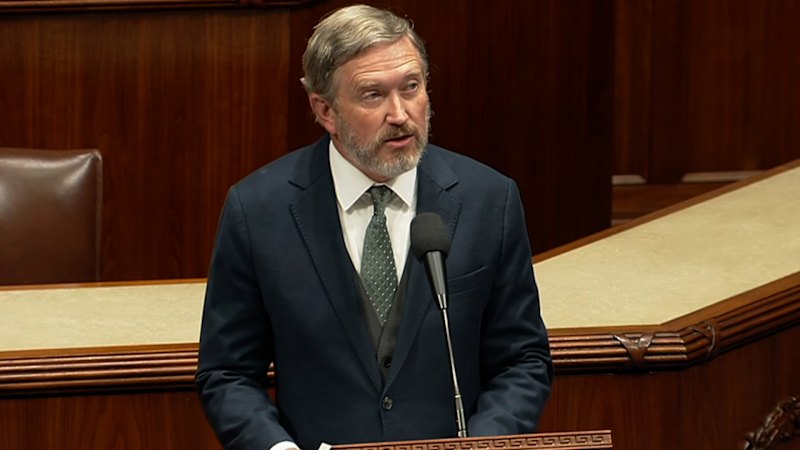
Constitutional showdowns in Washington rarely start with a member of the president's own party dropping the hammer. Yet that is precisely what happened when Republican Representative Thomas Massie of Kentucky filed a high-stakes resolution to force an impeachment vote against Defense Secretary Pete Hegseth.
If you think this is just standard partisan theater, look closer. Massie introduced eight specific articles of impeachment, targeting what he views as an alarming constitutional overreach regarding unauthorized military engagements and executive power grabs. For anyone watching the fragile balance of power between Capitol Hill and the executive branch, this move changes the entire game.
What Triggered the Impeachment Push
The core grievance centers on war powers and congressional authorization. Massie and other critics argue that Hegseth crossed a red line by executing military operations without explicit congressional approval. When the executive branch bypasses Article I of the Constitution to wage war, it invites immediate legislative backlash—even from within the ruling party.
Beyond the broader war powers debate, the pressure has mounted due to a series of compounding controversies. Lawmakers have spent months scrutinizing administrative missteps, transparency failures, and operational decisions that critics argue put American personnel at unnecessary risk. Massie forcing a floor vote means representatives cannot simply hide behind committee delays; they have to go on the record. Additional insights regarding the matter are covered by USA Today.
The White House Response and Political Fallout
President Donald Trump didn't hesitate to push back. Stepping up to defend his defense chief, Trump dismissed the effort entirely, pointing to recent military outcomes in regions like Iran and Venezuela. "We won two wars," Trump told reporters at Camp David, arguing that Hegseth has done an exceptional job and maintains the fierce loyalty of ordinary service members.
Trump's vocal backing sets up a brutal intra-party clash. Republican lawmakers now find themselves squeezed between a fiercely loyal White House and a constitutional purist wing demanding strict adherence to congressional war powers. Democratic leadership, meanwhile, has signaled willingness to amplify the pressure, turning what started as a libertarian-leaning critique into a bipartisan headache for the Pentagon.
Why This Matters Moving Forward
Most political resolutions introduced as privileged motions fizzle out or get tabled by party leadership eager to avoid embarrassing floor fights. But Massie's maneuver strips away procedural safety nets.
When a representative forces a direct vote on cabinet-level impeachment, it tests party discipline in real time. It forces every single member of the House to answer a blunt question: Does the executive branch have unchecked authority to deploy military force overseas without legislative sign-off?
The upcoming floor showdown won't just decide Pete Hegseth's immediate political future. It will establish a modern precedent for how much structural friction a administration can endure when its own allies decide the Constitution matters more than party unity. Watch how vulnerable members vote, because those choices will define primary season battles for months to come.



