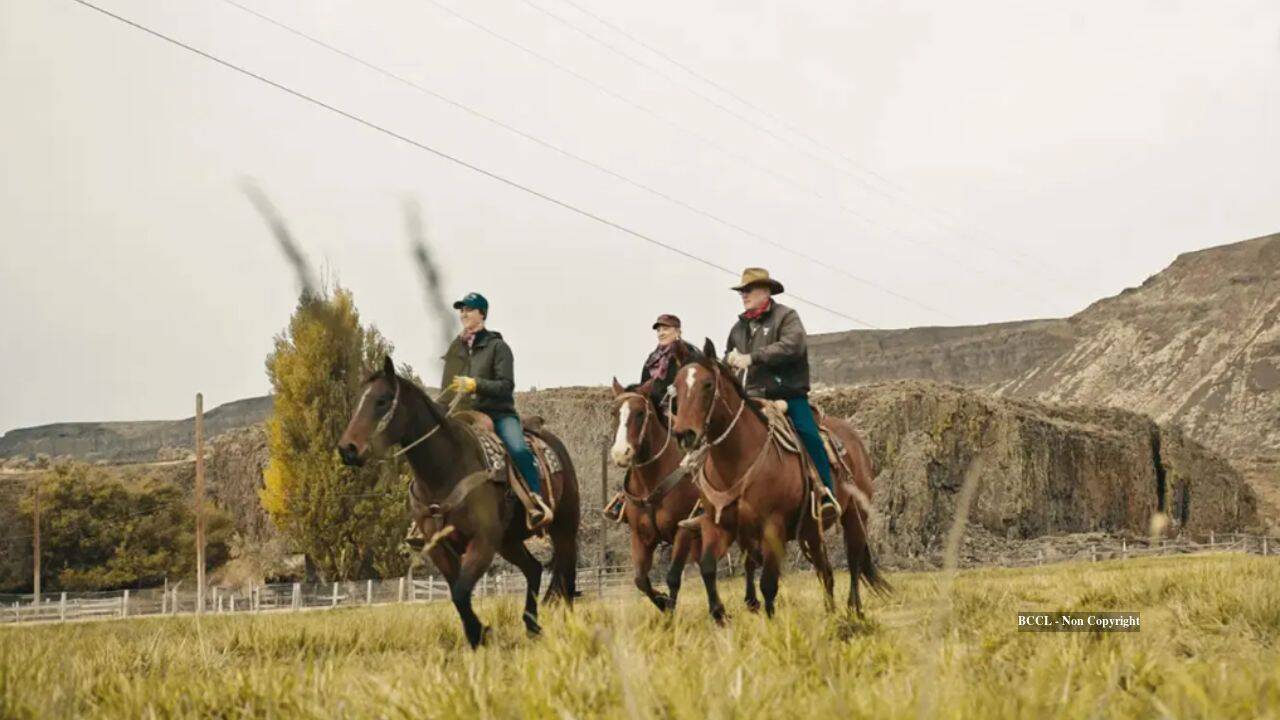
Imagine waking up to find out that routine maintenance on your own property has triggered a financial penalty large enough to wipe out generations of hard work. That is the reality facing Wade and Teresa King. Operating a cattle ranch in Grant and Douglas counties, Washington, the couple has spent the last few years locked in a brutal dispute with state regulators. What started as a six-figure fine has spiraled into an existential threat carrying restoration demands estimated to exceed $3.7 million.
The core of the issue comes down to a fundamental disagreement over water, land use, and the heavy hand of state bureaucracy.
How a Routine Stock Pond Sparked a Legal War
The conflict kicked off in February 2023. The Washington State Department of Ecology hit the Kings with a penalty totaling $267,540. The state's accusation? That the ranchers had damaged naturally occurring wetlands, specifically rare alkali wetlands, while digging and maintaining stockwater ponds.
The Kings saw it differently. In arid eastern Washington, where yearly rainfall barely hits seven to ten inches, cattle need reliable watering holes to survive. For decades, ranchers across the region have maintained earthen stock ponds to capture and hold water for their livestock. To the Kings, cleaning and maintaining these ponds was just standard ranch management. To the Department of Ecology, it was an environmental violation.
The scope of the dispute quickly widened. In January 2025, the state issued a second administrative order targeting 11 additional sites in neighboring Douglas County. In total, the state's orders now span 34 different locations across private land owned by the family and public land they lease for grazing.
The Satellite Imagery Problem and the Cost of Compliance
One of the most contentious aspects of the case is how the state built its initial investigation. According to legal representation from the Pacific Legal Foundation, state regulators relied heavily on online aerial photography and satellite imagery rather than conducting physical inspections of the private parcels.
When regulators look at satellite photos of low, arid basins in eastern Washington, historical moisture patterns can easily be misinterpreted. Land that stays dry for years can pool water temporarily after rare heavy rains or snowmelt. Regulators flagged these spots as protected ecosystems.
While the initial fine sat at roughly a quarter-million dollars, the cleanup and restoration demands are where the numbers explode. Experts working with the King family estimate that complying with the state's restoration orders will cost upwards of $3.7 million. For a multigenerational ranch feeding thousands of people annually, a bill of that size is a death sentence.
No Jury and the Battle Over Administrative Power
Beyond the massive price tag, the case has exposed major concerns about how environmental penalties are adjudicated in Washington State. When the Kings tried to fight back, they weren't headed to a local courtroom with an independent judge and an impartial jury. Instead, the case was funneled into the Pollution Control Hearings Board.
This board consists of members appointed directly by the governor—the same executive branch that runs the Department of Ecology. Critics and legal advocates point out that this setup creates a clear conflict of interest where the state acts as investigator, prosecutor, judge, and jury all at once.
Represented by the Pacific Legal Foundation, the Kings fought back by filing a motion for summary judgment in Grant County Superior Court. Their legal strategy invokes state and federal constitutional protections, arguing that the denial of a jury trial violates Article I, Section 21 of the Washington Constitution, alongside principles highlighted in recent high-profile U.S. Supreme Court rulings regarding administrative overreach.
Why This Case Matters for Every Landowner
If you think this is just a hyper-local zoning squabble in rural Washington, look closer. The outcome of the King Ranch battle carries massive implications for agricultural property rights across the United States.
Ranchers and farmers rely on traditional exemptions to maintain ditches, clear out drainage lines, and keep stock ponds functional. If state agencies can retroactively reclassify dry stock ponds as protected wetlands based purely on historical satellite data—and penalize landowners without a trial by jury—standard agricultural management becomes an extreme legal gamble.
Wade King put it bluntly in interviews regarding the accusations: why would a family that has cared for the land for generations intentionally harm the very water sources their livelihood depends on?
As the case moves forward through ongoing legal challenges, it highlights the growing friction between sweeping environmental bureaucracy and the people who actually live and work on the land. Keeping an eye on how courts handle administrative tribunals versus constitutional jury rights will tell us a lot about the future of property ownership.



