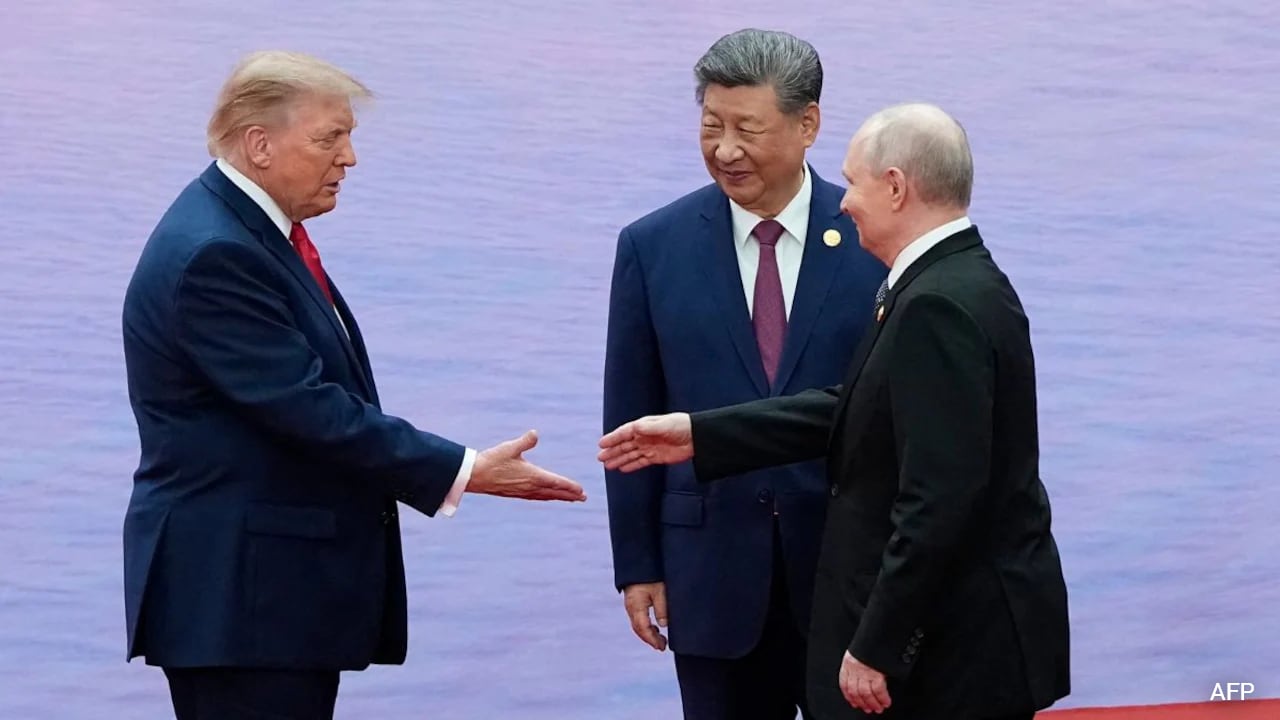
Walk into a high-stakes APEC summit in Shenzhen with grand plans for nuclear arms control and Middle East shipping lanes, and the war in Ukraine still crashes the room. That's basically what happened as Donald Trump moved through bilateral sit-downs with Vladimir Putin and Xi Jinping on November 19, 2026. Even when officials pointed toward denuclearization or Strait of Hormuz oil flows, the Ukraine war kept pulling the spotlight back to Moscow, Kyiv, and Washington.
Short news dispatches love neat headlines—thanking Xi for a warm welcome, noting a brief Putin chat, moving on. Honestly, that misses the real tension underneath. Trump called Putin "my friend" after an unscheduled 40-minute meeting, then told Xi that the U.S. and China should both help end the war in Ukraine right before the three leaders sat down together at Kylin Villa.
Look closely at the staging inside Kylin Villa in northwest Shenzhen and you'll spot a clue about how these three leaders read one another. Beijing choreographed every angle, from tarmac greetings to seating charts, while Trump leaned into improvisation. For Kyiv and European capitals watching from afar, a three-way huddle among the world's largest nuclear powers feels less like a neutral peace effort and more like great-power bargaining over their future. For another perspective on this event, check out the latest update from NPR.
Why Ukraine Kept Center Stage Before the Trilateral
Going into the Shenzhen APEC gathering, Washington floated nuclear disarmament and the war in Iran as top priorities, while Moscow pushed its own narrative around Ukraine. Yet Trump openly called Ukraine his "favorite subject" on the way to Asia and pointed to staggering monthly casualties—claiming roughly 25,000 soldiers killed each month across the fighting—as proof the war had to be front and center.
When Trump met Putin one-on-one for about 40 minutes, the Kremlin said Ukraine topped the agenda and reported that Putin walked away in an "excellent" mood. That warmth stands in sharp contrast to rocky U.S.–Ukraine ties, which have been strained by stalled new Russia sanctions and intermittent disruptions to military-grade Starshield satellite support used in drone and missile defense operations.
Then came Trump's bilateral session with Xi, which ran roughly an hour. Trump urged Beijing to play a role in ending the war, linking major-power responsibility to global stability and shared interests around oil transit through the Strait of Hormuz. Xi, by contrast, stayed guarded in public remarks, emphasizing nuclear restraint, "strategic stability," and diplomatic dialogue rather than volunteering to underwrite a settlement on Washington's terms.
What Each Leader Wanted From the Room
Analysts watching the Shenzhen summit—including Eurasia specialists at the Atlantic Council and Russia observers across Europe and Asia—have pointed out that all three leaders brought very different playbooks to the table:
- Vladimir Putin wanted a stage that looked like old-school great-power diplomacy, where big capitals hash out security arrangements and press Kyiv to compromise. Even when protocol placed him slightly behind Trump in Chinese hospitality, Moscow's state media played the three-way footage nonstop to project restored superpower standing.
- Xi Jinping valued the optics of hosting an unprecedented trilateral in China while avoiding traps. Beijing has long treated Ukraine as a conflict with deep European dimensions and resists getting pulled into binding arms-control commitments or blame for Moscow's war effort.
- Donald Trump wanted credit for forcing a historic conversation among the three heavyweights, betting that personal rapport, dealmaking energy, and pressure on multiple fronts could jump-start talks that earlier efforts in Alaska hadn't resolved.
The Friction Points Nobody Can Brush Aside
Here's the catch if you think a 90-minute trilateral at Kylin Villa can magically untangle four-plus years of grinding war. Big-power summits create headlines fast. Real settlements require solving ugly, stubborn problems that don't vanish over lunch.
First, there's a deep trust gap between Washington, Kyiv, and European allies. A group of Democratic U.S. senators publicly warned against turning the summit into a spheres-of-influence bargain that sidelines Ukraine or rewards aggression. Meanwhile, European leaders—including European Commission President Ursula von der Leyen proposing a 45-billion-euro loan for Ukraine tied to eventual Russian reparations—are betting on sustained financial backing rather than trusting Moscow's goodwill.
Second, nuclear arms control collides with the war in Ukraine at every turn. With the U.S.–Russia New START treaty having expired earlier in 2026, Trump argued that the three biggest nuclear powers have a unique duty to curb stockpiles. Xi called for preventing nuclear war and eliminating nuclear weapons altogether, yet Beijing has consistently pushed back against trilateral caps given the vast size of U.S. and Russian arsenals. You can't talk calmly about strategic stability when Moscow's forces are actively fighting a major European war.
Third, energy and trade complicate the picture. Both Washington and Beijing care deeply about keeping oil moving through the Strait of Hormuz amid Middle East conflict. At the same time, tariffs, sanctions disputes, and tech restrictions keep pulling the U.S. and China in opposite directions—even after Trump and Xi held bilateral economic talks alongside the summit.
Big-power summits often look decisive on camera, yet wars end on the ground and at negotiating tables where the people fighting actually have a voice.
Common Misconceptions About This Trilateral Push
When a story moves this fast, two myths usually spread right behind the wire reports. Let's clear them up before you read the next round of commentary.
Myth 1: A Trump–Xi–Putin meeting means a peace deal is already taking shape.
Not even close. Meeting across a table isn't the same as agreeing on borders, security guarantees, or enforcement. Past talks—including discussions in Alaska in 2025—failed to produce a breakthrough on easing Russia's war in Ukraine, and the core territorial and sovereignty disputes remain brutal.
Myth 2: China is ready to act as a neutral referee.
Beijing talks constantly about "political and diplomatic means" and peace. Still, Western lawmakers and analysts continue to scrutinize China's economic and diplomatic lifeline to Russia, and Xi has shown zero eagerness to take ownership of fixing a war he frames outside China's direct responsibility.
Practical Steps for Following What Happens Next
If you're tracking this story for work, research, or your own market and policy awareness, don't rely on single-quote clips from summit arrivals. Take a few concrete steps to cut through the noise over the coming weeks:
- Compare official readouts against independent reporting. Read Kremlin, Chinese foreign ministry, and White House statements side by side with outlets like Reuters, AP, The Guardian, and think-tank analysis from institutions such as the Atlantic Council or RUSI to spot what each side leaves out.
- Watch concrete policy moves, not just friendly adjectives. Friendly remarks in Shenzhen don't change reality by themselves—track actual decisions on sanctions enforcement, satellite and weapons support for Ukraine, EU funding packages, and any follow-up diplomatic channels.
- Separate arms-control talk from war-termination talk. Keep an eye on whether any technical follow-up happens on post-New START nuclear discussions versus actual ceasefire or peace proposals involving Kyiv and European partners.
- Monitor energy and shipping indicators alongside diplomacy. Watch crude oil benchmarks and Strait of Hormuz shipping news whenever Middle East tensions and major-power summits intersect, since energy pressures shape how leaders talk about global stability.



