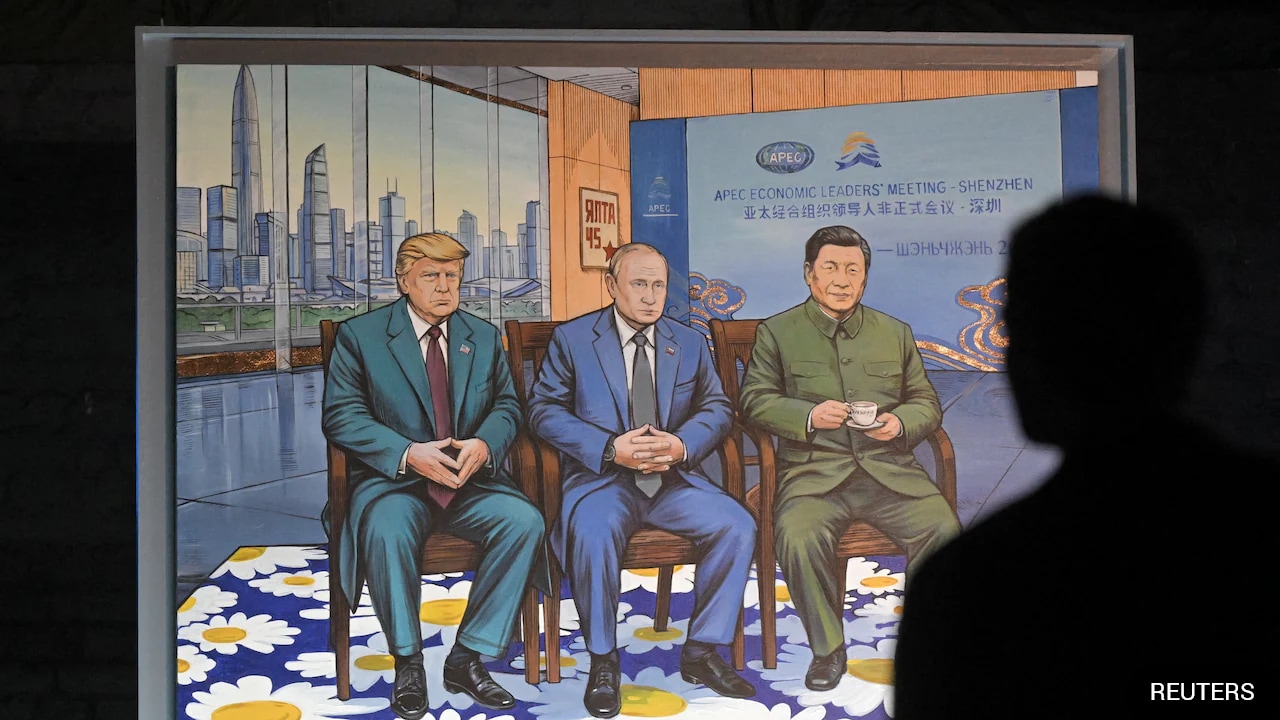
We live in an era where raw power speaks louder than international institutions. When Donald Trump, Vladimir Putin, and Xi Jinping circle back to high-level diplomatic alignment, the polite fiction of a rules-based global order takes a back seat.
Forget what diplomatic handbooks tell you about multilateral cooperation. This isn't about joint communiqués or polite compromises. It's a high-stakes realignment where three dominant leaders focus squarely on cementing their personal legacies.
The Death of the Old Playbook
For decades, foreign policy experts pretended that international bodies like the United Nations managed global affairs. That illusion is officially dead. When major players bypass traditional diplomatic channels to cut deals face-to-face, smaller nations realize they're left out in the cold.
Look at how the dynamics shift when these figures share a stage. Trump wants a historic win on reducing nuclear arsenals or trade, Putin is working to outlast Western sanctions while navigating the long shadow of the war in Ukraine, and Xi aims to project unshakeable Chinese economic and technological gravity across Eurasia.
Why Legacy Matters Most Now
All three men are past the point of caring about conventional political optics. They are obsessed with how history books will record their final chapters.
Trump views international diplomacy through a transactional lens, constantly hunting for the ultimate grand bargain that validates his deal-making mythology. Putin operates with the historical patience of the Russian state, determined to restore a sphere of influence that rivals Soviet-era dominance. Xi thinks in centuries, positioning Beijing as the indispensable anchor of the global supply chain and the alternative to Western hegemony.
When these three motivations collide, ordinary rules evaporate. You get a transactional playground where bilateral chemistry overrides institutional treaties.
What This Means for Everyone Else
If you aren't sitting at the top table, you're on the menu. Middle powers—from European capitals to Asian democracies—are scrambling to hedge their bets. They can no longer rely on automatic American security guarantees or predictable multilateral frameworks.
The smart move right now is watching where economic capital and critical supply chains flow, rather than paying attention to official press releases. Power has localized into the hands of strongmen who prefer direct phone lines over bureaucratic committees. Keep your eyes on bilateral trade agreements and defense pacts happening away from Western capitals. That's where the real map of the world is being redrawn.
Big Remarks On Russia, China, Iran, Ukraine War & Asia ...
This video provides direct remarks and context regarding the geopolitical strategies and interactions involving global leaders like Trump, Putin, and Xi.



