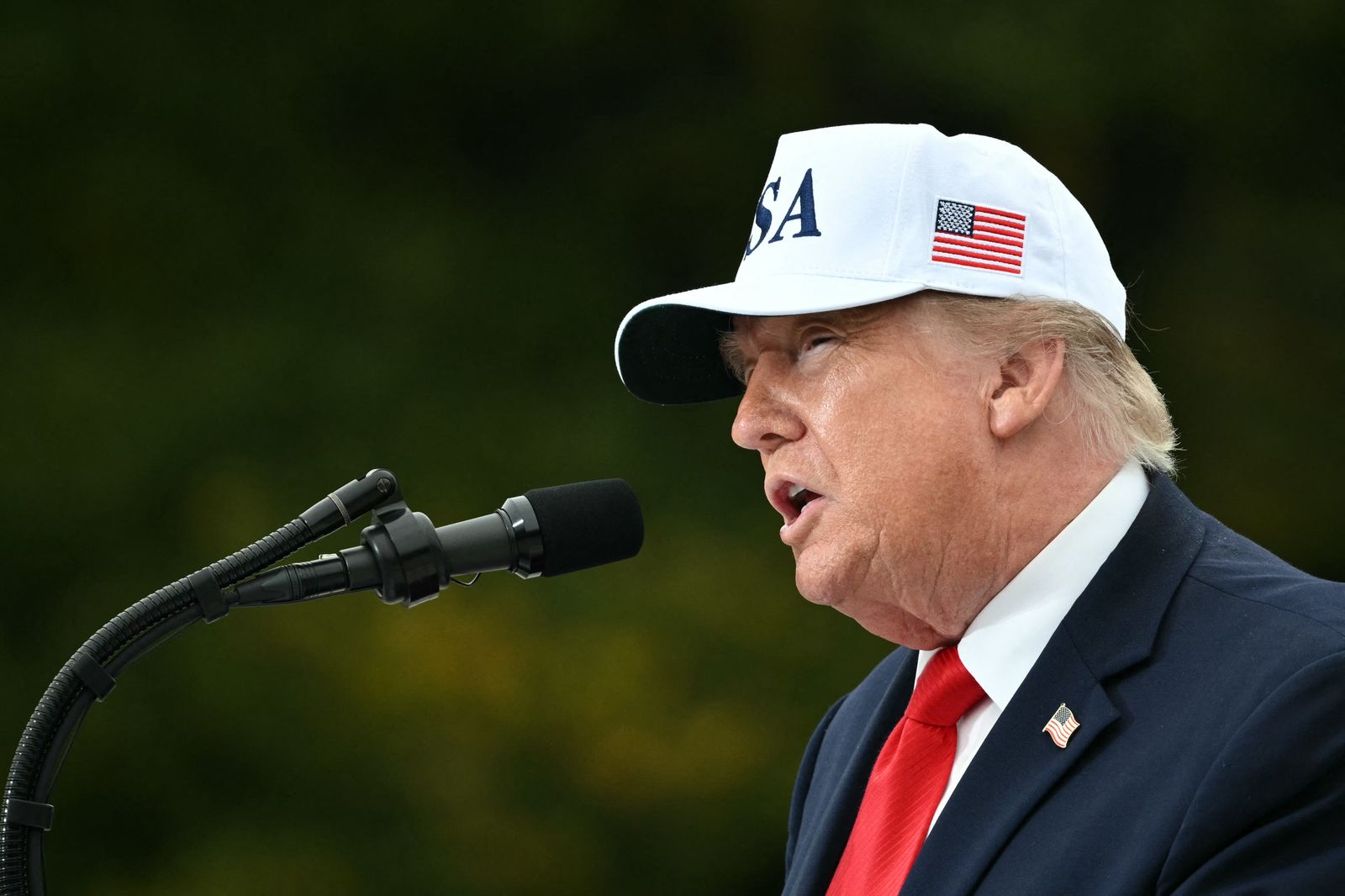
The leaders of the United States, Russia, and China finally sat down at the same table in Shenzhen on November 19, 2026, during the APEC summit, and everyone rushed to call it a turning point. Donald Trump told the room they were "really making history." State outlets pumped out talk of a breakthrough. Yet once you strip away the cameras and the four-point statement, the Trump, Putin and Xi trilateral meeting produced pledges to pump more oil, vague promises to keep talking about nuclear weapons, and zero real movement on the wars or trade fights tearing the world apart.
Don't fall for the theater. A photo of three powerful men smiling for cameras doesn't erase years of mistrust, sanctions, tariffs, or battlefield attrition. As reported by the Financial Times and covered across The Guardian, the gathering lasted roughly ninety minutes and wrapped up with Trump heading home while big questions sat right where they started. Still, ignoring what happened in Shenzhen would be a mistake too. Sometimes a summit's real value isn't the deal signed on paper. It's the signal it sends about how the biggest players want to manage risk when everything else feels unstable.
What Actually Happened Inside the Shenzhen Summit
Before the three-way session even began, Trump held separate one-on-one meetings with Xi Jinping and Vladimir Putin on the sidelines of APEC. That order matters. Bilateral rooms let leaders test pressure points privately before putting on a unified front in front of lenses.
According to Chinese state reporting cited by the Financial Times, Xi pressed Trump on keeping artificial intelligence under human control and curbing AI-related security risks. That's a classic Beijing move: frame China as a responsible steward of fast-moving tech while trading blows elsewhere over chips and supply chains. Putin, meanwhile, came in looking to project normalcy after years of Western isolation following his 2022 full-scale invasion of Ukraine, now grinding through its fifth year.
When all three sat together, the resulting four-point declaration covered familiar ground:
- Petroleum production: A pledge from Washington, Moscow, and Beijing to increase output of petroleum products, a notable talking point at a moment when energy markets have been rattled by conflict in Iran and tariff disputes.
- Nuclear risk and arms control: Reaffirming that a nuclear war can't be won and shouldn't be fought, alongside pledges for ongoing dialogue on nuclear risks and non-proliferation.
- UN reform: Broad language calling for changes to the United Nations so it can handle global challenges more effectively.
- International courts: Pushback aimed at international judicial bodies like the International Criminal Court, stressing state consent and official immunity.
Notice what's missing from that list. There's no binding arms treaty. No ceasefire roadmap for Ukraine. No truce in the trade war. Honestly, when three superpowers issue a joint declaration that avoids naming a five-year European war even after discussing it, you're looking at diplomatic lowest-common-denominator math, not a grand bargain.
Why Nuclear Talks and Oil Pledges Hit a Wall
If you've watched arms control over the past decade, the nuclear chatter in Shenzhen should sound familiar—and a bit hollow. New START expired in February 2026, ending the last major bilateral cap that had limited the US and Russia to 1,550 deployed strategic nuclear warheads each.
Trump has argued for bringing China into a broader nuclear limits framework rather than simply extending old bilateral caps. Beijing has long resisted joining talks until Washington and Moscow slash their vastly larger stockpiles first. In Shenzhen, Xi spoke about prohibiting and destroying nuclear weapons altogether, while the joint statement repeated the standard line against nuclear war. Saying nuclear war can't be won is good politics. Turning that sentiment into verifiable limits with three countries that don't trust one another is another beast entirely.
Then there's the oil pledge. Boosting petroleum supply sounds straightforward on paper, especially with energy prices strained by the war in Iran and broader geopolitical friction. In reality, producers operate under different economics, sanctions regimes, pipelines, and domestic priorities. A joint statement doesn't magically add barrels to global markets tomorrow morning, and markets know the difference between political signaling and physical supply.
The Domestic Baggage Behind Every Handshake
Great-power summits never happen in a vacuum. Every leader in Shenzhen walked into the room carrying heavy political weight from home.
For Trump, the trip came right on the heels of bruising US midterm elections earlier in November. Democrats flipped nine seats to take control of both the House and the Senate, with Hakeem Jeffries nominated as incoming Speaker and Mary Peltola winning in Alaska over incumbent Dan Sullivan. Voters pushed back hard against high energy costs tied to the Iran conflict and sweeping tariffs. Walking into a room with Xi and Putin lets a president project command on the world stage, even while facing a hostile Congress back home.
Putin faces his own grind. Five years into the war in Ukraine, Western sanctions haven't collapsed Russia's economy, yet the human and military costs keep mounting, and an ICC arrest warrant still hangs over his travel calculations outside friendly or non-member states. For Moscow, sitting side by side with both the US president and China's leader in Shenzhen is a huge symbolic win—proof that Russia can't simply be wished away from global diplomacy.
Xi, hosting APEC in Shenzhen, wants stability around trade, regional supply chains, and technology rules without giving up an inch on core sovereignty or industrial policy. Even ahead of the summit, Washington's export licensing rules on AI chips and disputes over rare earths showed how tense economic competition remains underneath the polite summit language.
Where the Financial Times Report Leaves Room to Dig Deeper
The Financial Times newsletter format gives you a sharp snapshot of what happened in Shenzhen and ties it neatly to Washington headlines—from the midterm fallout and tech outages blamed on rushed AI bug patches to ethics questions around Commerce Secretary Howard Lutnick and Nvidia. That kind of roundup is great for a morning scan.
Still, if you want the bigger picture, a quick news brief only gets you halfway there. Three angles deserve more scrutiny than a standard daily digest can spare:
- The ICC and immunity angle: Calling for respect for state officials' immunities isn't abstract legal theory. Putin faces an ICC arrest warrant over the unlawful deportation and transfer of Ukrainian children, while neither the US nor China is a party to the Rome Statute. Pushing back on international courts gives Moscow rhetorical cover and aligns neatly with sovereign-immunity arguments long favored by Beijing and Washington.
- Talk vs. enforcement on AI and tech: Saying AI should stay under human control is easy. Coordinating actual guardrails when Washington is tightening chip export controls and racing to outpace China in strategic supply chains is way harder.
- Photo-op leverage: For leaders under pressure at home or abroad, bilateral and trilateral optics are currency. Getting photographed with Trump and Xi helps Putin argue that isolationism failed; getting a joint statement out of Shenzhen lets Trump argue he's dealing directly with top rivals rather than walking away.
Common Misconceptions About This Trilateral Meeting
Whenever a summit gets billed as "historic," people tend to overread what comes out of it. Let's clear up a few myths right away.
- Myth: A trilateral meeting means the US, Russia, and China are forming a new bloc. Not even close. Their interests overlap in narrow spots—avoiding nuclear catastrophe, managing energy shocks, pushing back on certain international legal constraints—but they remain fierce economic and strategic rivals.
- Myth: No signed treaty means the meeting was pointless. Diplomacy isn't all-or-nothing. Keeping open channels during overlapping conflicts reduces the chance of miscalculation, even when no headline deal gets signed.
- Myth: Joint statements settle disputes over Ukraine or trade. They don't. Ukraine wasn't even named in the joint peace declaration, and tariff and tech disputes continue unabated.
Practical Next Steps If You're Tracking Global Risk
If you're following geopolitics for business, investing, or just trying to make sense of the headlines, don't trade on summit hype. Watch what happens after the cameras leave Shenzhen.
- Track energy and shipping indicators, not just press releases: Look at crude benchmarks, refining margins, freight rates, and developments around the Iran conflict and sanctioned oil flows rather than assuming a pledge to boost petroleum output will immediately lower pump prices.
- Watch arms-control signals after New START: With New START expired, pay attention to whether working-level talks actually begin or whether nuclear posturing simply escalates across Washington, Moscow, and Beijing.
- Follow post-midterm Washington policy: With Democrats taking control of Congress in the 2026 midterms, watch how lawmakers push back on tariffs, war powers, and executive trade moves—because domestic politics in Washington will shape US foreign policy far more than a ninety-minute meeting in southern China.
- Read primary texts and multiple outlets: Compare official readouts from Washington, Beijing, and Moscow alongside independent reporting so you spot where phrasing is carefully hedged or omitted.
History rarely turns on a single handshake in a conference room. Usually it turns on the slow, messy reality that comes the week after.



