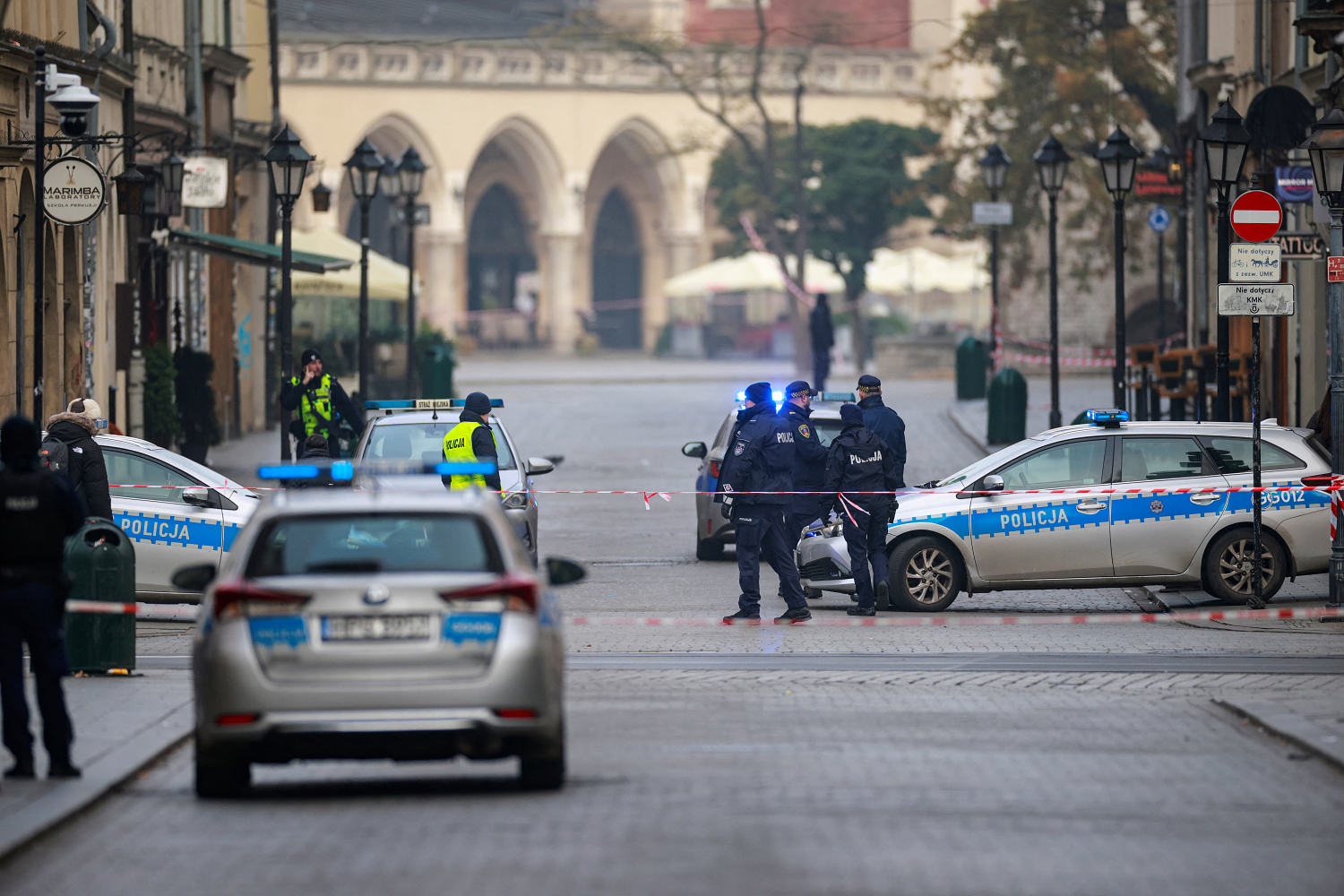
Mass violence is rare in Poland. When a lone gunman opened fire in the heart of Krakow's historic Main Market Square, it shattered a deeply rooted sense of national security. Six innocent people lost their lives, and over a dozen others suffered injuries. Polish authorities quickly labeled the carnage an act of terror, pointing to the shooter's deep fascination with extremist ideologies.
If you're trying to make sense of what happened, let's look past the breaking news headlines and examine the actual details emerging from the investigation, the political fallout, and why this event marks a dark turning point for the country.
What Actually Happened in Krakow
The attack unfolded on a busy Saturday afternoon. A 24-year-old Polish citizen wearing military-style gear drove a vehicle straight into the densely packed Main Market Square—one of Europe's most famous and frequented tourist hubs. Armed with an AR-15 style rifle, he began firing indiscriminately at pedestrians and shoppers.
Quick action by local law enforcement prevented an even higher death toll. Officers engaged the shooter within minutes, wounding and detaining him before he could inflict more damage. Four women and two men died at the scene, while roughly fifteen others required hospital treatment for serious wounds. Among the injured were foreign nationals and two police officers who put their lives on the line to stop the rampage.
The Far-Right Connection and Family Tragedy
Almost immediately, government officials began releasing details regarding the gunman's background. Polish Interior Minister Marcin Kierwiński stated publicly that the perpetrator held ultra-nationalistic views and was heavily influenced by fringe far-right ideologies.
The horror didn't stop in the market square. As investigators searched deeper into the suspect's background, they uncovered a grim discovery at his family home in Ostrowiec Świętokrzyski, located about 150 kilometers away. Authorities found the bodies of his mother, father, and sister, all bearing fatal gunshot wounds. This horrific domestic element turned an already devastating public massacre into a multi-site tragedy, leaving investigators scrambling to piece together a timeline of radicalization and domestic breakdown.
Poland Confronts a Rare Security Crisis
Public mass shootings are statistically very uncommon in Poland. Strict gun licensing laws and a generally low violent crime rate mean that citizens rarely witness this scale of devastation. In the wake of the attack, the nation entered two days of formal national mourning.
In a powerful historic gesture, the traditional St. Mary’s Trumpet Call—a melody played hourly from St. Mary’s Basilica that has echoed through Krakow for centuries—was paused overnight to honor the victims. It marked the first time the custom had been interrupted since World War II.
Prime Minister Donald Tusk urged politicians and the public alike to avoid exploiting the tragedy for immediate political point-scoring, even as fierce debates sparked over firearm availability and the rising undercurrent of radical extremism. With weapon licenses and regional tensions under heightened scrutiny, Poland is forced to confront uncomfortable truths about domestic radicalization, mental health, and the changing landscape of public safety.



