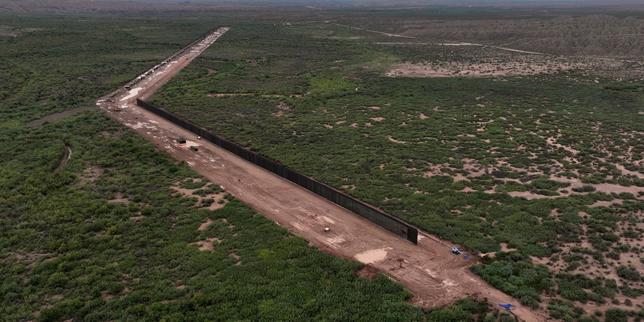
The legal battles over the southern border never truly stop, and the latest decision out of Washington proves it. The U.S. Supreme Court just cleared the way for the Trump administration to immediately resume building border barriers and infrastructure right through the rugged terrain of West Texas.
If you've been following the ongoing clashes between federal immigration policy and environmental protection, this latest development marks a major shift. The Supreme Court's emergency order lifts a lower court's block, allowing heavy machinery to move back into the iconic Big Bend region while wider legal battles play out in the background.
What is Actually Happening in Big Bend
For months, conservation groups and legal defense organizations like Earthjustice have fought tooth and nail to halt construction in and around Big Bend National Park. The crux of their argument is simple: building massive steel barriers and service roads through a pristine, ecologically sensitive national park inflicts permanent damage on local wildlife habitats and unique desert ecosystems.
Yet, the administration pushed forward, relying on federal authority to waive various environmental laws to fast-track construction. When a lower court briefly stepped in to freeze the project, it felt like a temporary victory for environmentalists. That relief didn't last long. The Supreme Court's decision means excavators and construction crews can get back to work immediately, putting the remote Texas wilderness right back in the crosshairs of federal border enforcement.
The Real Debate Beneath the Concrete
Why is Big Bend such a flashpoint? Critics point out a glaring mismatch between the urgency of the construction and the actual border dynamics on the ground. Court filings and local data show that while the region spans a massive chunk of the U.S.-Mexico border, apprehensions in the Big Bend sector historically account for only a tiny fraction of total border crossings.
To opponents, bulldozing through a national park for a low-traffic sector looks less like practical security and more like a political statement. On the flip side, supporters argue that every single mile of open terrain represents a potential blind spot. In their view, national security and operational control take precedence over environmental preservation, no matter how remote or scenic the landscape might be.
What Comes Next for the Border Wall
It is crucial to understand that this Supreme Court order is only an emergency stay. It doesn't settle the underlying lawsuits filed by conservationists. The core legal questions about whether the administration overstepped its bounds by bypassing environmental safeguards in a protected national park will still grind through the court system.
Until those lower courts issue a final ruling, the Trump administration has the green light to lay concrete, clear land, and erect barriers. If you care about public lands, federal overreach, or immigration policy, this case sets a heavy precedent. The balance between protecting America's natural heritage and enforcing its borders remains as fragile and contentious as ever.



