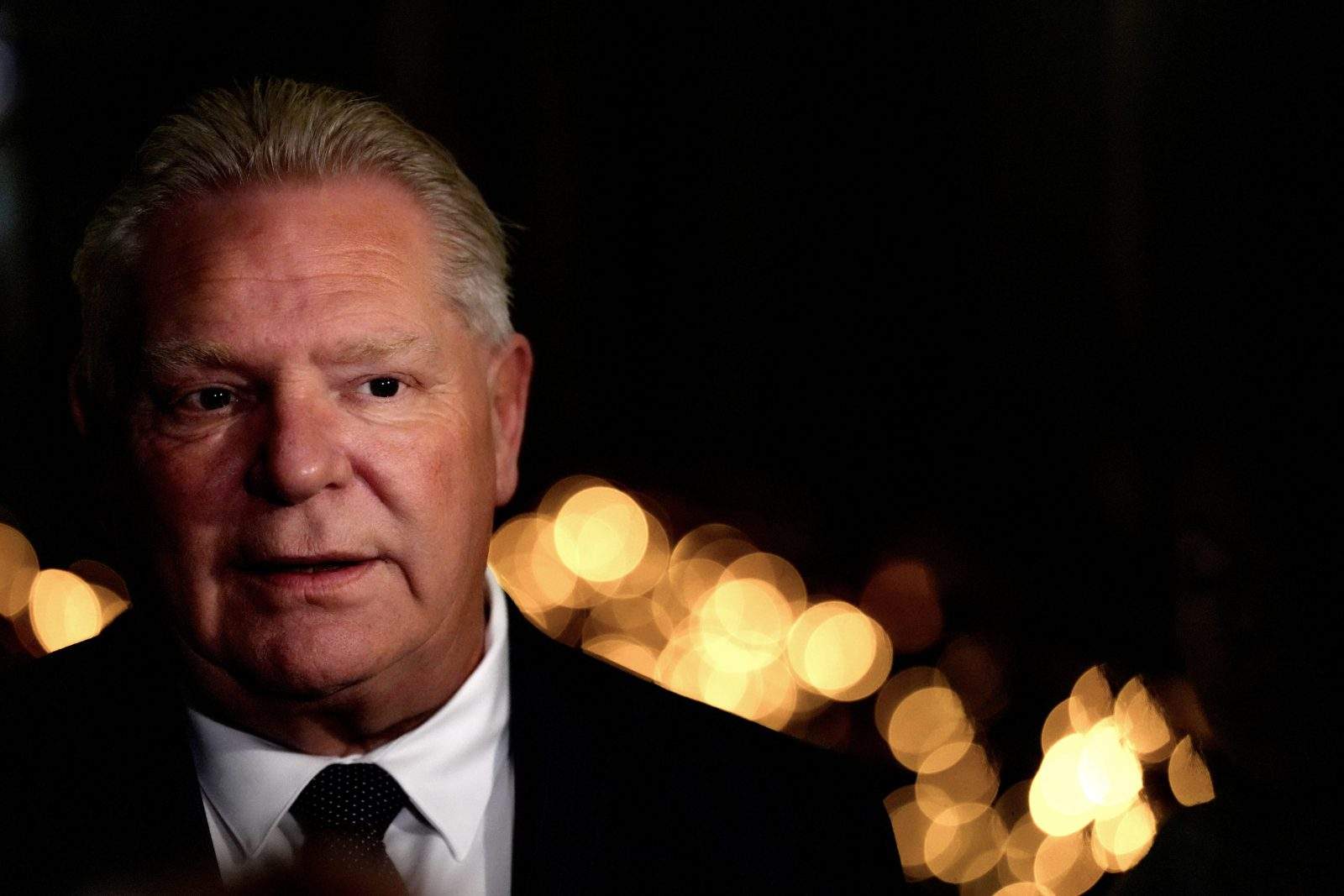
Call it a truce that didn't quite break the stalemate, though it did get everyone talking about real numbers. After Friday's high-stakes sit-down between Ontario Premier Doug Ford, federal Industry Minister Mélanie Joly, Unifor president Lana Payne, and Stellantis officials, Ford described the Stellantis Brampton plant meeting as "challenging" yet "productive." That sounds like classic political spin at first glance. Look closer at what actually got put on the table, though, and you can see why the tone shifted from pure outrage to a messy tug-of-war over greenhouse gas penalties, tariffs, and hundreds of millions of dollars in public money.
For anyone trying to make sense of what's happening to the idled Brampton facility, here's the bottom line right up front. Stellantis signed a deal on November 9 to sell the shuttered plant to armoured-vehicle maker Roshel, after halting operations in 2023, pausing retooling in early 2025, and shifting Jeep Compass production to Belvidere, Illinois. Ottawa hit the automaker with a notice of default under its 2022 EV funding commitment—giving Stellantis 30 days to fix the breach—and threatened massive legal clawbacks if the sale goes through. Meanwhile, Ford and Unifor are zeroing in on federal greenhouse gas (GHG) compliance costs as a major reason Stellantis says building cars in Canada doesn't pencil out.
What Actually Happened in the Stellantis Brampton Plant Talks
Most quick news recaps stop at the soundbites: Joly threatening a lawsuit, Ford asking Ottawa to listen, and Stellantis sticking to its business plan. Having watched plenty of industrial standoffs play out in Ontario over the years, I've learned that the loudest threats in front of cameras rarely tell the whole story until someone mentions carrying costs.
Ford pointed out a detail that ought to make every taxpayer and autoworker pay attention. Keeping the Brampton facility open and "warm"—meaning maintained without active vehicle production—costs roughly $135 million a year. Think about that for a second. Paying nine figures every twelve months just to keep a building warm and idle is financial bleeding. No corporate board sits comfortably with that kind of drag unless they believe either a turnaround is realistic or walking away is cleaner.
At the same time, Ford argued that Stellantis faces roughly a billion dollars in greenhouse gas emissions costs—a figure Ontario Economic Development Minister Vic Fedeli framed as a drag hitting the broader auto sector, claiming automakers lose money on vehicles when emissions rules and compliance penalties bite. Whether you buy Stellantis's math wholesale or not, Ford's pitch was simple: ease the emissions pressure first, buy a little breathing room, and figure out what vehicle can actually go into Brampton.
Lana Payne didn't sugarcoat the odds after the meeting. She called it a frank discussion with proposals on the table and talks set to continue next week, yet warned Unifor still has a massive mountain to climb. When a union leader says reversing a signed sale won't be easy because a company broke its commitment, you shouldn't treat "productive" as a done deal.
Why Emissions Rules and Tariffs Collided in Brampton
Here's where things get genuinely complicated—and where a lot of surface-level commentary misses the mark. You can't separate Stellantis's Brampton retreat from two overlapping pressures: U.S. trade tariffs and federal emissions policies.
On one side, U.S. tariffs have rattled cross-border auto supply chains and made cross-border manufacturing math far harsher than it looked when the 2022 funding agreements were signed. Payne explicitly pointed to both tariffs and domestic policies that aren't working right now. Ford echoed that point, arguing that while trade friction with Washington is a huge hurdle, Canada shouldn't add "own goals" through emissions rules that penalize domestic manufacturing.
On the other side, Ottawa isn't wrong to ask why public dollars went toward an EV transition that stalled in Brampton. Under the 2022 agreement tied to retooling Brampton and Windsor, the federal government committed up to $529 million. According to CBC News reporting citing a senior federal source, Ottawa projects Stellantis would owe $831 million if the Brampton plant sale proceeds, while Ford cited roughly $873 million—a sharp contrast to the $24 million repayment figure Stellantis floated when announcing the sale.
That gap isn't a minor accounting error. It's the core legal leverage Ottawa is waving. Joly has made clear that if Stellantis keeps the plant and protects workers, governments are willing to work with the company and even invest going forward; if it sells and walks away from its commitments, the federal government plans to pursue hundreds of millions of dollars through legal action.
The Roshel Deal and the 30-Day Clock
Selling an idle plant to Roshel sounds neat on paper if you only look at industrial real estate. Roshel builds armoured vehicles, and defence manufacturing has strong appeal in a tense geopolitical climate.
Yet the Brampton Board of Trade captured the tension between those two worlds in its letter to Joly. CEO Jaipaul Massey-Singh urged Ottawa to consider approving the Roshel sale while still holding Stellantis to account on worker compensation, company-funded retraining, and commitments tied to public support. His point hits a practical nerve: more than 2,000 workers were laid off when Brampton shut down in 2023, and parts suppliers across the region depend on real vehicle volume, not just a change of ownership on a deed.
Still, there is a real debate over whether a defence contractor can replace full-scale auto assembly for the broader supply chain, or whether fighting a prolonged court battle over a shuttered plant helps anyone before the 30-day cure window runs out. Honestly, nobody has a crystal ball on how Stellantis's global leadership will weigh court exposure against plant economics next week. What's clear is that bluffing won't work for long. If emissions rules are truly killing the business case for building vehicles in Ontario, changing the rules requires federal policy movement—not just stern press conferences.
Practical Next Steps If You're Following or Affected by the Dispute
If you're a laid-off worker, a supplier manager, or an observer watching where Ontario's auto sector goes next, don't rely on daily headlines alone. A few concrete moves matter right now:
- Track the 30-day default timeline and next week's follow-up talks. Pay close attention to whether Stellantis submits a concrete production plan or pushes ahead toward closing the Roshel transaction, since that single fork in the road determines whether this becomes a retooling negotiation or a multi-year lawsuit.
- Watch federal and provincial signals on GHG compliance. Any concrete shift on emissions penalties or credits for domestic vehicle assembly will show whether Ford's argument gained traction with Ottawa or hit a wall.
- Check worker support and retraining channels early. If you work at Brampton Assembly or in an affiliated supply shop, verify severance, recall rights, and retraining programs through Unifor and provincial employment services rather than waiting for a final corporate announcement.
- Assess supply-chain exposure beyond a single OEM. Suppliers tied heavily to one plant or model line should review order books now and look into diversification—whether into other auto platforms, defence supply chains, or adjacent industrial sectors—before cash flow gets squeezed.