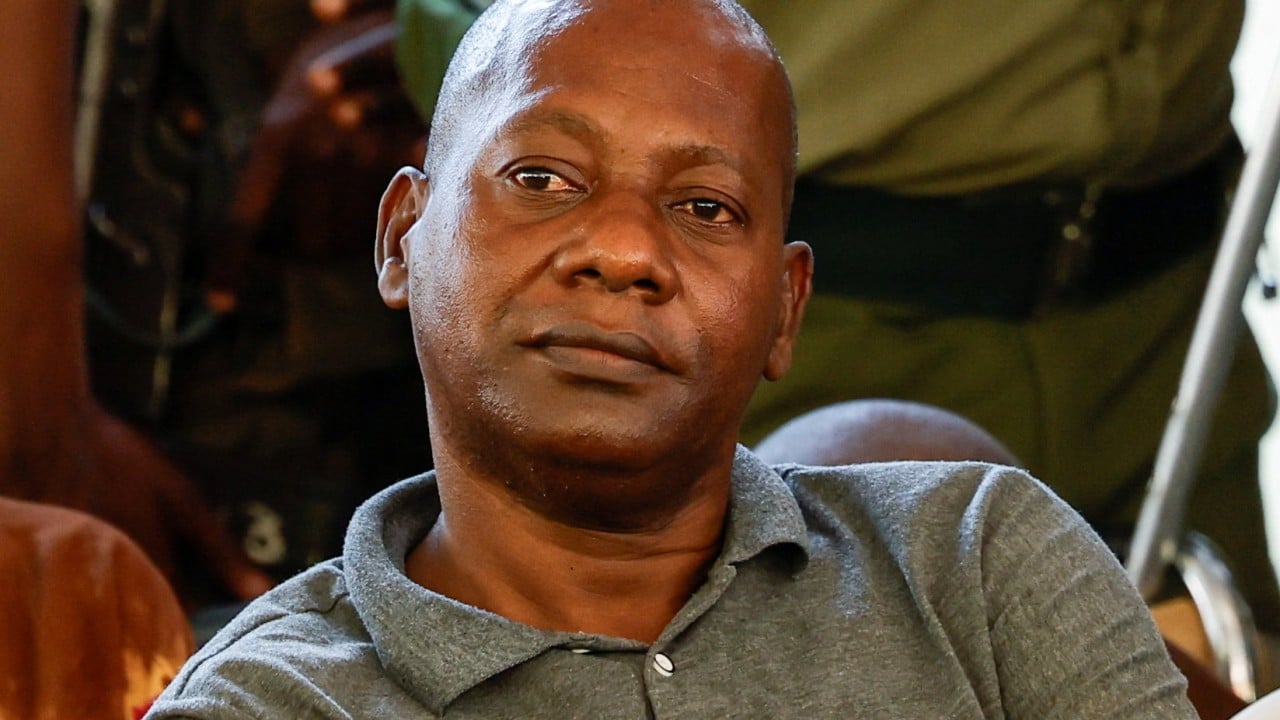
Some crimes defy human comprehension. When a Kenyan court handed doomsday cult leader Paul Mackenzie a 200-year prison sentence, it closed a formal legal chapter on one of the most horrific mass atrocities of modern times, yet it left a gaping wound across the nation. Mackenzie, the mastermind behind the Good News International Church, ordered his followers to starve themselves to death in the dense Shakahola Forest to "meet Jesus" before the end of the world. The final tally for this specific sentencing included 190 children and one adult, though the broader scale of the tragedy spans over 400 recovered bodies.
If you've followed this case, you know the numbers are staggering. But numbers hide the raw, gut-wrenching reality of what happened behind the tree line.
Inside the Shakahola Forest Horror
Mackenzie didn't just preach radical ideas; he ran a systematic extermination camp disguised as a spiritual sanctuary. Operating near the coastal town of Malindi, he exploited the economic anxieties of everyday people during turbulent times, convincing them to abandon their homes, sell their possessions, and move into the isolated wilderness.
Once inside the forest, the trap snapped shut. Followers were subjected to forced starvation. Survivors and investigators later revealed that children were often targeted first, dying of hunger while their parents watched in compliance or despair. Those who tried to break the fast or escape didn't find mercy. They were beaten, tied up with ropes, and locked inside primitive huts to die.
Justice Diana Kavedza delivered the sentencing split into two categories: 100 years for homicide directly and 100 years for offenses related to starvation, running consecutively to ensure Mackenzie dies behind bars. Alongside him, 28 co-defendants—ranging from camp guards who enforced the fasts to gravediggers who hid the evidence—received sentences stretching up to 160 years. Prosecutors pushed for the death penalty, but the court opted for long-term imprisonment to deny him martyrdom and keep the door open for accountability.
The Institutional Failures That Let It Happen
The most disturbing aspect of the Shakahola massacre isn't just Mackenzie's twisted ideology. It is the fact that local authorities knew about him and did almost nothing for years.
Human rights advocates and families pointed out red flags long before the mass graves were unearthed in 2023. Mackenzie had previously been arrested on extremism charges, only to slip through the cracks of a sluggish legal system. President William Ruto publicly admitted that state institutions failed to act when warnings first surfaced, a sentiment echoed bitterly by grieving relatives who lost entire generations of their families to a preventable cult.
When trusted societal structures look away, extremist figures step into the vacuum. Mackenzie preyed on a deep-seated human desire for certainty during economic hardship, twisting Christian scriptures into a death cult manifesto.
What We Must Learn From the Shakahola Massacre
Stopping rogue pastors and extremist groups requires more than retroactive prison sentences. It demands aggressive oversight of unregulated religious organizations, which have proliferated across parts of East Africa without institutional accountability. Governments are now forced to rethink how they monitor fringe sects before financial exploitation spirals into physical violence.
The 200-year sentence handed down to Paul Mackenzie sends a clear signal that mass murder under the guise of religion carries severe consequences. But for the families who watched their children starve in the dust of the Shakahola Forest, no courtroom verdict will ever truly balance the scale.



