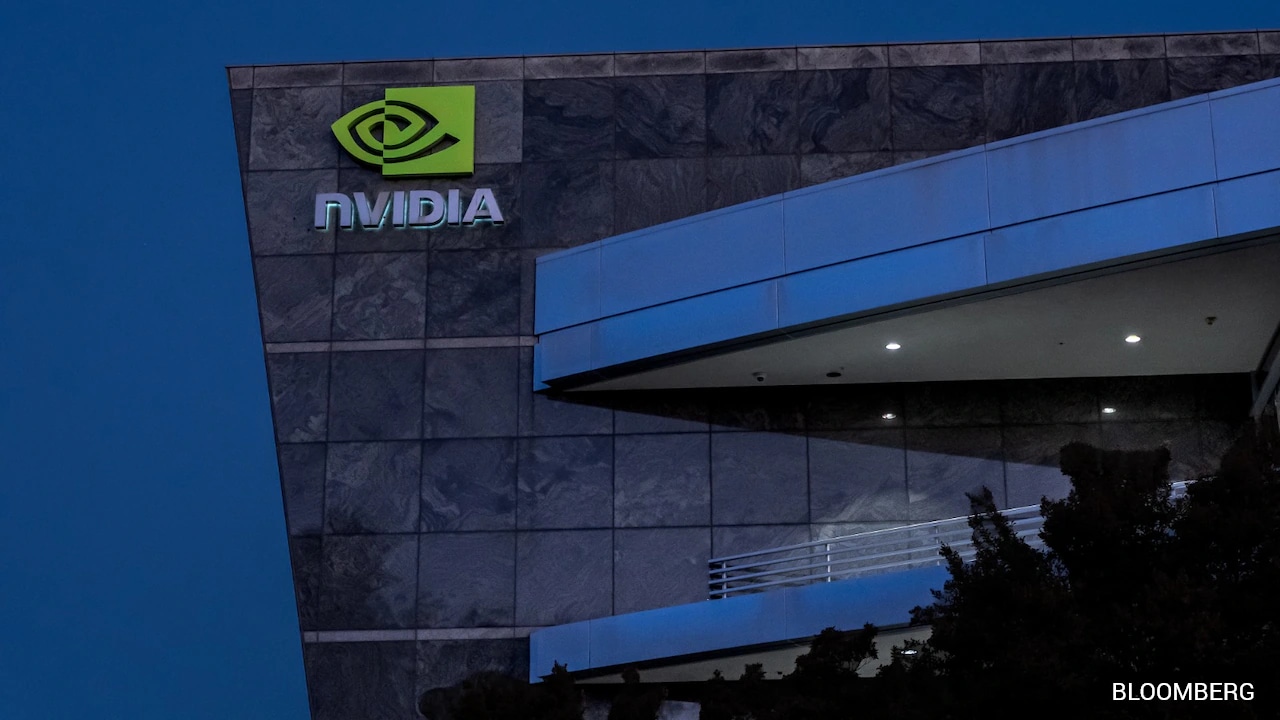
For over three decades, Nvidia operated as an extension of Jensen Huang's relentless, high-stakes bets. When the co-founder abruptly stepped down following disclosures regarding personal conduct and national security inquiries, Wall Street panicked. The stock shed roughly a third of its value from its October peak, and skeptics wondered if the multi-trillion-dollar artificial intelligence juggernaut could survive without its charismatic visionary.
Then came the numbers.
Stepping into the breach as interim chief executive, longtime Chief Financial Officer Colette Kress delivered a financial reality check that silenced critics—at least temporarily. Nvidia reported a staggering $115.8 billion in third-quarter revenue, doubling its top line from the previous year, while lifting its full-year growth outlook to an aggressive 75%.
Yet, the most telling aspect of Kress's debut earnings call wasn't the sheer volume of cash flooding into the company. It was her tone.
A Shift From Visionary Gambles to Corporate Rigor
Under Huang, Nvidia thrived on engineering intuition and massive, unorthodox capital allocations that paid off exponentially. He was famous for betting the company on unproven architectures long before the market understood accelerated computing.
Kress, who has managed Nvidia's balance sheet since 2013, is signaling a different playbook. During her briefing, she explicitly used the terms disciplined and rigorous to describe how the organization will evaluate future investments.
This isn't just corporate jargon. It represents a fundamental cultural pivot. The informal moniker long used by insiders to describe the company's vast cash reserves—the "Bank of Nvidia"—is undergoing a structural audit. Without Huang's singular gravitational pull, the board and executive team are instituting tighter controls over expenditures, capital deployment, and risk management.
Every major R&D outlay, infrastructure partnership, and international expansion project is now facing a level of internal scrutiny that simply didn't exist under the old regime.
Navigating Export Restraints and Geopolitical Pressures
The push toward operational rigor isn't happening in a vacuum. Nvidia faces mounting pressure on multiple fronts, particularly regarding regulatory compliance. Following the leadership transition, Washington accelerated export restrictions and set congressional hearings regarding supply chains.
Kress made it clear that Nvidia's financial projections are built on conservative foundations. Notably, the company’s current guidance assumes zero data center compute revenue coming out of China. Stripping out those speculative billions demonstrates a newfound commitment to financial prudence that institutional investors have been demanding for months.
By removing high-risk variables from forward-looking estimates, Kress is trading flashy, speculative upside for predictable, defensible execution.
Can Growth Continue Without Its Founder?
The core anxiety among retail investors remains simple: Can a tech giant maintain its hyper-growth trajectory without the architect of the modern AI revolution at the helm?
Kress argues that the engine is already built. The company's multi-year technology roadmap, anchored by the rollout of the Vera Rubin platform across major cloud providers like Microsoft Azure, Google Cloud, and Oracle, is locked in. Demand from enterprise customers for advanced chips hasn't slowed down.
Employee retention has largely stabilized despite initial shockwaves, and the engineering teams driving hardware innovation remain intact.
Still, the transition from a founder-led dynasty to a professionally managed enterprise is rarely painless. While Kress has successfully managed market expectations and restored short-term confidence, the board is still searching for a permanent successor. Whether that next leader leans into this newly minted corporate discipline or attempts to resurrect Huang's high-risk operational style will define the next decade of silicon dominance.
For now, the era of frictionless, founder-driven spending at Nvidia is over. What replaces it is a leaner, more calculating machine focused entirely on margin protection and operational efficiency.