When a lone gunman opens fire from a moving car across multiple locations, the first reaction is usually chaos. But in France, the response to a brutal drive-by shooting in the western suburbs of Paris was immediate, precise, and chillingly clear. French President Emmanuel Macron didn't hesitate to label the rampage for what it was: a racist terrorist attack targeting people based entirely on their skin color or perceived religion.
One person is dead. Five others are wounded, including a 12-year-old girl shot eight times.
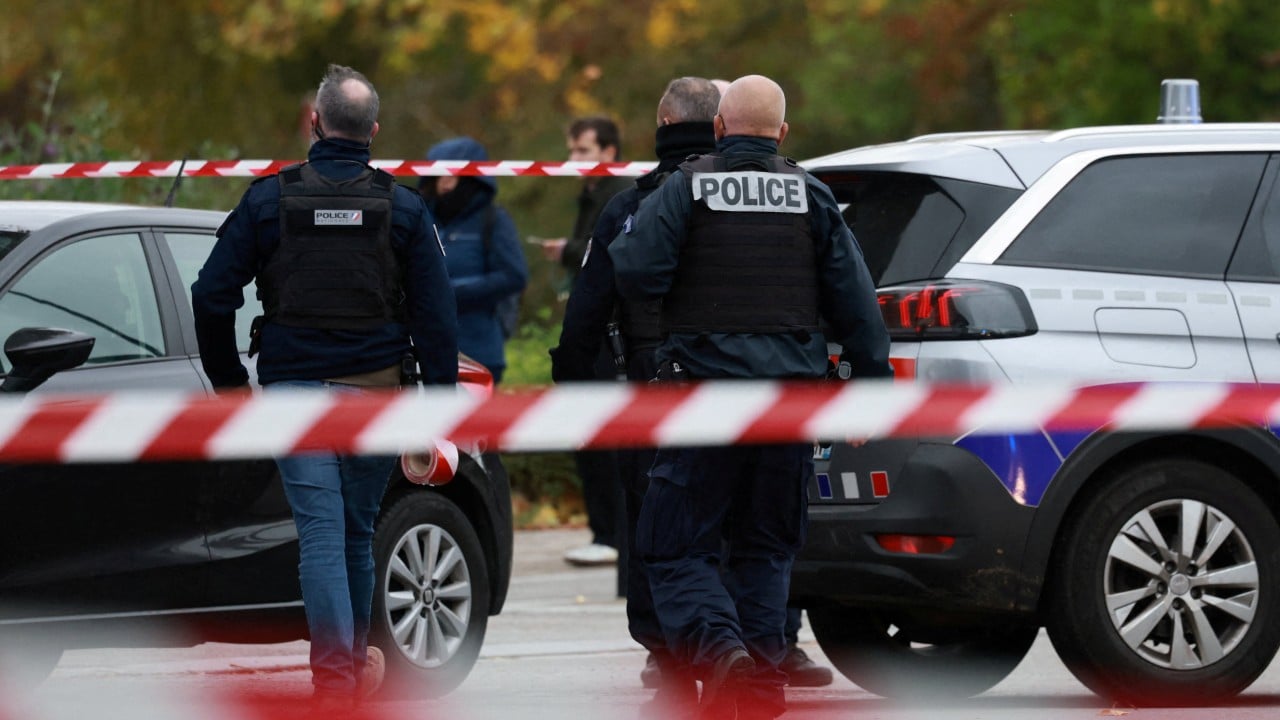
The attack unfolded over roughly fifteen frantic minutes across Trappes and La Verrière, roughly 30 kilometers west of Paris. The shooter targeted multiple spots from a grey Renault Clio, firing indiscriminately at pedestrians and public areas. Local authorities and national prosecutors quickly stepped in, launching an investigation for murder in connection with a terrorist enterprise, driven by the aggravating circumstance of racial and religious hatred.
How the Attack Unfolded
The violence didn't happen in a vacuum. Interior Minister Laurent Nuñez confirmed that the 39-year-old suspect opened fire in rapid succession at three distinct locations. Witnesses described hearing loud bangs and seeing a speeding vehicle before realizing the horrific scale of the bloodshed. To explore the full picture, we recommend the detailed article by USA Today.
Among the wounded, several suffered life-threatening injuries. The fatality and critical casualties were predominantly of African and North African descent. Trappes Mayor Ali Rabeh didn't mince words when addressing the press, calling it an objectively racist and likely Islamophobic mass shooting attempt.
Police tracked down and arrested the suspect in nearby Coignières. Officers seized a submachine gun and tear-gas grenades from his possession. Early statements from investigators indicate that the suspect planned the carnage in advance, shattering the fragile peace of the working-class Parisian suburb.
Macron Draws a Hard Line
President Macron traveled directly to Trappes to meet with local officials, community leaders, and residents. Standing shoulder-to-shoulder with the town's mayor, Macron delivered a stark message to the nation.
"These people were targeted because of their skin color or perceived religion, and for no other reason," Macron stated. He emphasized that there is zero tolerance for such hatred in France.
The Elysee Palace backed up the designation, officially categorizing the shooting as a terrorist act. By bypassing standard criminal designations early on and moving straight to terrorism charges, the French state is signaling that racially motivated violence will face the harshest legal architecture available.
A Tense Atmosphere Across France
This violent episode struck at a moment when France is already on edge. The country is bracing for a fresh wave of nationwide protests regarding the soaring cost of living. Major cultural institutions have closed their doors, and authorities are deploying massive security contingents—including tens of thousands of police officers—to prevent public unrest from spiraling out of control.
When a community is hit by targeted hate, the psychological shockwaves spread far beyond the immediate neighborhood. Residents in Trappes voiced immediate fear, noting how easily routine daily life can be upended by targeted bigotry.
The investigation is ongoing, and counter-terrorism prosecutors are combing through the suspect's background, digital footprint, and manifesto materials to trace every connection. France now faces the hard task of reckoning with homegrown extremist violence fueled by racial animus, even as the government tries to keep a lid on broader social tensions.