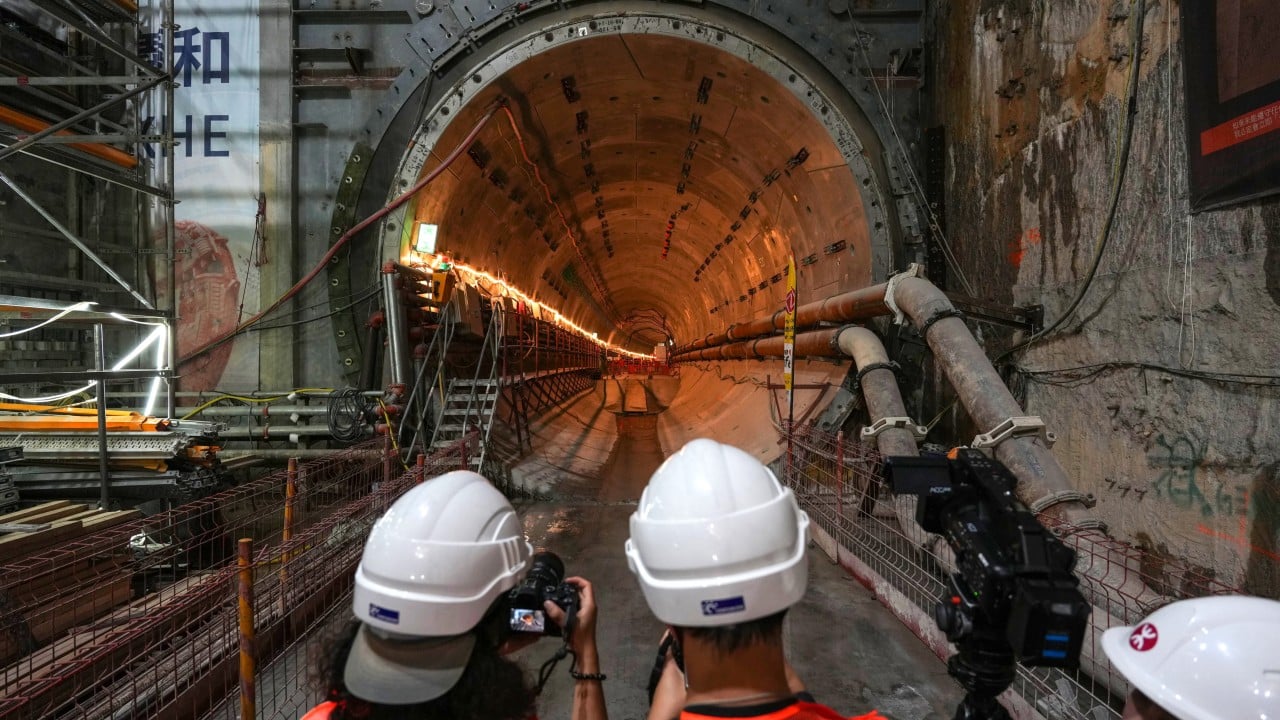
Thirty concrete pillars sitting short of their marks at a brand-new transit station should make any commuter sweat. When construction hit a sudden wall at the Tung Chung West MTR station project, panic followed fast. Concrete wasn't filled to the top, leaving steel rebars completely exposed. Engineers quickly pointed out that structurally compromised pillars can lose massive amounts of compressive strength. But how does a multi-billion-dollar transit operator miss thirty columns during active pours?
Let's look past the corporate PR statements. The MTR Corporation and the Buildings Department want everyone to breathe easy. They claim temporary supports keep the overhead floor slabs safe while investigations ramp up. Yet, the sheer frequency of these engineering blunders points to deep cracks in onsite accountability.
The Anatomy of the Tung Chung West Flaw
Building a modern underground metro extension isn't rocket science, but it demands strict quality control. At Tung Chung West, the platform level columns failed a basic construction milestone. Concrete pours fell short, leaving ugly gaps where vital reinforcement bars stood bare to the elements.
When workers skip slump tests or supervisors fail to inspect formwork before pouring concrete, disaster happens. Experts suggest these specific pillars could suffer catastrophic loss of load-bearing capacity if left unaddressed. Luckily, temporary props currently bear the weight of the overhead slabs. That safety net saved the site from immediate collapse, but it doesn't excuse how thirty distinct structural elements slipped past quality assurance teams.
Who Bears the Real Blame
Pointing fingers in Hong Kong's massive rail network is basically a local pastime. Is it the front-line contractors cutting corners to save time? Or is it lax oversight from supervisory engineering staff who trusted paperwork over visual reality?
The MTR Corporation runs on an ownership approach where they handle everything from design to daily operations. Government bodies like the Highways Department and the Buildings Department rely heavily on risk-based inspections rather than watching every pour. That system depends entirely on honesty and strict self-regulation. When contractors rush schedules to meet tight deadlines, quality checks are often the first thing pushed aside.
We saw this movie before with the Hung Hom station scandal during the Shatin to Central Link project. Back then, steel rebars were cut short because they didn't fit into couplers. Whistleblowers had to leak the mess to force public accountability. Now, thirty short columns at Tung Chung West prove that systemic oversight issues never really left the building.
What Happens Next for the Timeline
Despite the uproar, officials insist the 2029 passenger opening target remains carved in stone. Registered structural engineers face a mid-November deadline to submit detailed investigation reports and remedial action plans.
If you're wondering whether these pillars will be demolished or retrofitted, the answer is standard structural remediation. Contractors can inject high-strength grout, encase elements in reinforced jackets, or rebuild the faulty segments entirely under propped conditions. It costs time, and it costs money, but it's entirely fixable.
The real question isn't whether Tung Chung West station will eventually open. It's whether the MTR Corporation will ever fix its recurring contractor culture. Until penalties sting harder than schedule delays, expect more short columns and late-night apologies.



