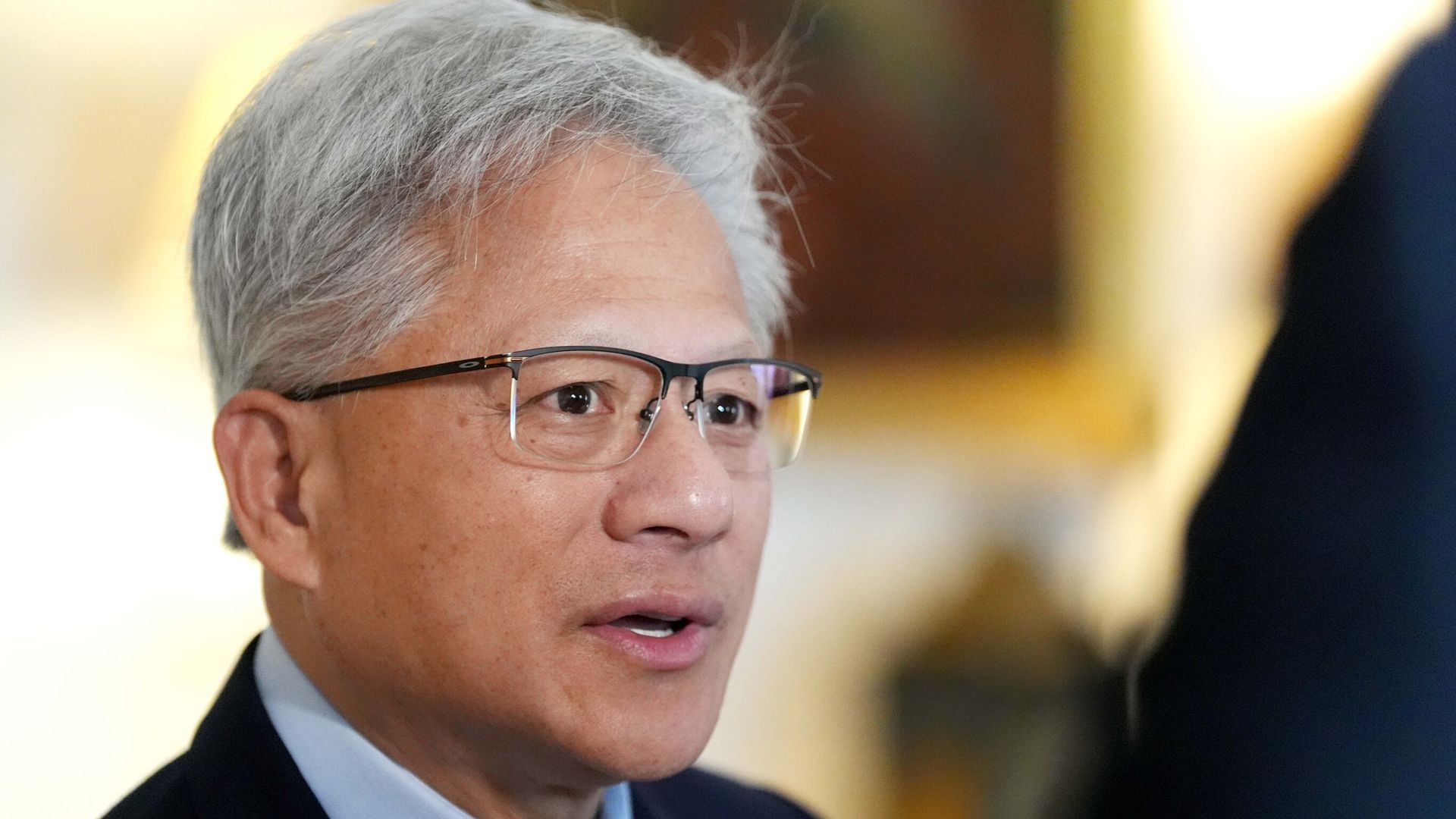
Silicon Valley doesn't usually panic in public, but the sudden ousting of Nvidia co-founder Jensen Huang sent a shockwave straight through the tech industry that it still hasn't recovered from. Within days of his abrupt resignation over personal conduct revelations involving a suspected intelligence operative, a massive public counter-offensive took shape.
The "Stand With Jensen" petition exploded past 175,000 signatures, drawing heavyweight backers like Tesla CEO Elon Musk, Epic Games CEO Tim Sweeney, and thousands of verified Nvidia employees. Behind the scenes, high-profile investors and industry allies have formed literal war rooms to lobby the board for his immediate reinstatement.
If you think this is just another corporate PR scandal, you're missing the bigger picture. This crisis is exposing a deep friction between corporate moral panic and the brutal reality of visionary leadership in the age of artificial intelligence.
The Cost of Hasty Board Decisions
Boards love to act swiftly when personal scandals break out to protect stock prices and institutional reputation. McDonald's did it with Steve Easterbrook, and Intel did it with Brian Krzanich. But Nvidia isn't a fast-food chain or a legacy chipmaker struggling to find its footing. It is the literal bedrock of the global artificial intelligence infrastructure.
When Nvidia's board accepted Huang's resignation without granting him a proper hearing or waiting for an independent investigation to clear the air, they sparked an internal revolt. Roughly 18% of Nvidia's own workforce—alongside prominent institutional investors like Altimeter Capital's Brad Gerstner and Atreides Management's Gavin Baker—argued that the punishment completely ignored the irreplaceable nature of his leadership.
We've seen this movie before. Remember when OpenAI panicked and fired Sam Altman, only to watch the entire company threaten to walk out until he was reinstated a few days later? Nvidia is currently staring down that exact same precipice, multiplied by the geopolitical stakes of the hardware chip race.
Why Replacing Jensen Isn't That Simple
People outside the semiconductor world often think CEOs are interchangeable managers who just look at spreadsheets and delegate tasks. That logic might work for legacy retail conglomerates, but it completely fails when applied to a visionary architect.
Huang didn't just manage Nvidia; he built its entire DNA from scratch over three decades. He kept more than 60 direct reports, maintaining a hyper-centralized command structure that allowed the company to make massive, multibillion-dollar bets on unproven technologies like CUDA decades before anyone else cared about GPUs.
If a traditional, standard-issue corporate CEO steps into that vacuum, they're going to try to flatten the organization and introduce standard bureaucratic middle-management layers. That is the exact opposite of what an agile hardware giant needs while trying to stay miles ahead of fierce global competition and navigating tight U.S. export controls.
The Geopolitical Chess Match
Complicating matters further, the fallout isn't happening in a vacuum. U.S. Treasury Secretary Scott Bessent recently issued sharp warnings regarding Nvidia's corporate compliance and export restrictions, while political figures like Donald Trump have openly weighed in, noting that Huang learned a harsh lesson and suggesting his return wouldn't be unwelcome.
Washington cares about Nvidia because Nvidia is American AI dominance. The sudden removal of its driving force creates an unnecessary vulnerability at a time when hardware security, supply chains, and sovereign tech policies are colliding.
What Happens Next
The board is currently searching for executive talent through headhunters, but finding someone who commands the respect of both Wall Street and top-tier silicon engineers is nearly impossible. As institutional investors prepare to grill executives on upcoming earnings calls, the pressure on Nvidia's directors to reverse course is mounting by the hour.
Private lives are messy, and corporate governance rules exist for a reason. But when a board's knee-jerk reaction threatens to derail half a trillion dollars in market value and destabilize the most critical supply chain in modern tech, rules start looking less like safeguards and more like self-sabotage.
The board needs to pause, publish the facts found by an independent inquiry, and seriously consider bringing back the architect who built the modern AI era before the damage becomes permanent.