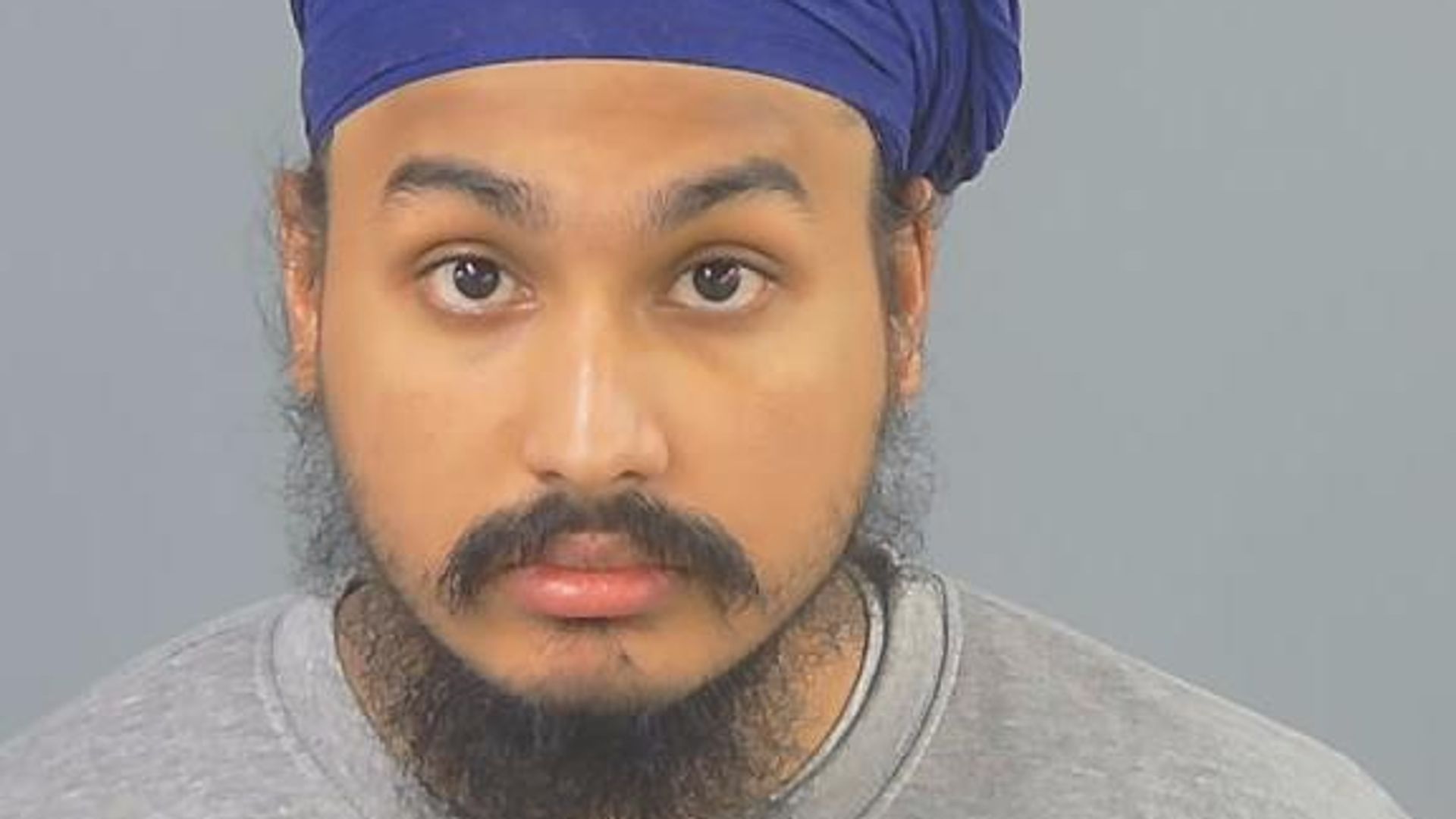
The courtroom drama surrounding the murder of 18-year-old Henry Nowak refuses to stay quiet. Months after a high-profile sentencing that sparked national debate across the UK, the legal battle has taken another aggressive turn. Vickrum Digwa, the man convicted of killing Nowak in Southampton, isn't just fighting his prison term anymore—he's actively trying to dismantle the underlying murder conviction itself.
If you've been following UK legal headlines, you know this case has already exposed raw nerves about knife crime, police response times, and sentencing guidelines. But the latest developments push the litigation into entirely new territory.
The Anatomy of a Escalating Legal War
Digwa’s legal team, operating through Imran Khan & Partners, has lodged fresh applications challenging the safety of the original conviction. This comes right on the heels of a failed bid to reduce his prison term, which backfired spectacularly when the Court of Appeal actually increased his minimum sentence from 21 years to 25 years after the Attorney General flagged it as unduly lenient.
Most defendants in high-stakes murder cases pick a lane. They either challenge the conviction because they claim innocence or procedural failure, or they appeal the sentence. Digwa is attempting both fronts. His representatives have pointed to complex legal arguments regarding how the weapon—a Kirpan carried in a sheath—was factored into the sentencing calculus, while separately pushing grounds that question the fundamental safety of the conviction. To understand the complete picture, check out the excellent analysis by The Guardian.
It's a heavy play, and it keeps a grieving family locked inside an exhausting judicial loop.
What the Headlines Miss About the Weapon Debate
Much of the media coverage focuses entirely on the courtroom back-and-forth between defense KCs and the Crown. However, the deeper legal friction point rests on statutory starting points for knife homicides.
The trial judge initially accepted that Digwa didn't carry the blade to the scene with the explicit intent to commit a crime. Yet, the appellate judges decided that the horrifying circumstances surrounding the attack warranted a severe upward departure. Digwa’s defense argues that aggravating factors were double-counted, creating a dangerous precedent for how courts apply sentence uplifts when weapons are involved.
At the same time, the conviction appeal dives into the chaotic timeline of that night in December 2025, the police interaction where Nowak was handcuffed while fatally injured, and the frantic attempts by Digwa's associates and family to conceal evidence—actions that led to his mother, Kiran Kaur, receiving a prison sentence for assisting an offender.
Why This Case Defines the Current Criminal Justice Conversation
You can't look at Digwa's appeals in a vacuum. The public fury that accompanied the initial trial stemmed from the sheer senselessness of the encounter. Nowak and Digwa didn't even know each other before the fatal confrontation on Belmont Road. The aftermath brought intense scrutiny down on emergency responders, community leaders, and the broader framework of British knife laws.
When high-profile killers mount aggressive challenges against both conviction safety and sentence length, it tests the resilience of the appellate system. It forces higher courts to draw sharp, uncompromising lines about accountability, public safety, and the true weight of deterrence.
These legal applications don't guarantee a hearing; the appellate judges must still decide if the arguments hold any legal water. Regardless of how the court rules, the ongoing litigation ensures that the memory of Henry Nowak remains front and center in the ongoing national reckoning over violent crime.
The courts will review the filings, but the damage is permanent, and no legal maneuver changes the baseline reality of what happened on that Southampton street.
Henry Nowak killer has sentence increased by appeal judges
This footage provides a direct look at the Court of Appeal proceedings where judges reviewed the original sentence and ultimately increased Vickrum Digwa's minimum prison term.