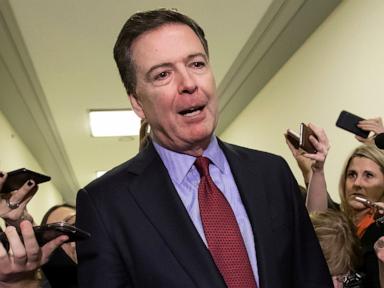
Former FBI Director James Comey is back in federal court, facing a legal storm that refuses to clear. His defense attorneys are once again gearing up to fight off a fresh set of criminal charges brought by the Department of Justice. If you've been tracking this saga, you know this isn't just an isolated dispute. It marks the third time the Trump administration's DOJ has targeted Comey with criminal counts.
Legal experts are watching closely. The strategy being deployed by prosecutors raises major questions about the statute of limitations and the limits of prosecutorial power. Let's break down what is actually happening behind the scenes and why this courtroom showdown matters for the future of federal oversight.
Inside the Third Indictment
The latest two-count filing accuses Comey of leaking national defense information tied to an event from October 2016 involving The New York Times. Prosecutors filed the case under seal on October 5, keeping it hidden from the public for three weeks before it finally came to light.
That timing isn't random. Legal analysts, including former federal prosecutor Elie Honig, pointed out that the government used a criminal "information" filing without the defendant's consent to skirt the ticking clock on the statute of limitations, which would have officially expired in early October.
Comey didn't stay quiet. Taking to his Substack and social media channels immediately after the unsealing, he called the move an appalling abuse of federal authority. "Nothing's changed with me," Comey said in his video response. "I'm still innocent, and I'm still not afraid of these people."
A Pattern of Repeated Prosecution
To understand why this court appearance is generating intense scrutiny, you have to look at the track record of cases brought against Comey since President Donald Trump returned to office.
- The First Case: Focus centered on allegations of false statements and obstruction during a 2020 Senate hearing. That indictment collapsed when a federal judge tossed it out, ruling that the prosecutor handling the case was illegally appointed.
- The Second Case: Prosecutors targeted Comey over a social media post featuring seashells arranged on a beach to spell "86 47". The government argued the post constituted a threat against the president, an interpretation Comey's team is actively fighting.
- The Third Case: The current Espionage Act-related charges focus on alleged leaks of sensitive government data.
Even some conservative legal commentators have voiced skepticism about the viability of these charges, suggesting the legal foundation is remarkably thin. When federal indictments rely on creative interpretations of procedural rules, judges tend to look with extreme caution.
What Happens Next in Court
As Comey's defense team returns to the courtroom, the immediate battleground will focus on procedural legitimacy and whether the government's workaround on the statute of limitations holds up under judicial review.
If the defense successfully challenges the filing method, this third case could follow the first one straight out the door. Regardless of the outcome, the relentless cycle of indictments sets a heavy precedent for how high-ranking officials and political opponents are handled by incoming administrations.
Watch the motions filed by the defense this week. They will signal whether the judiciary is willing to put a hard stop on successive prosecutions.