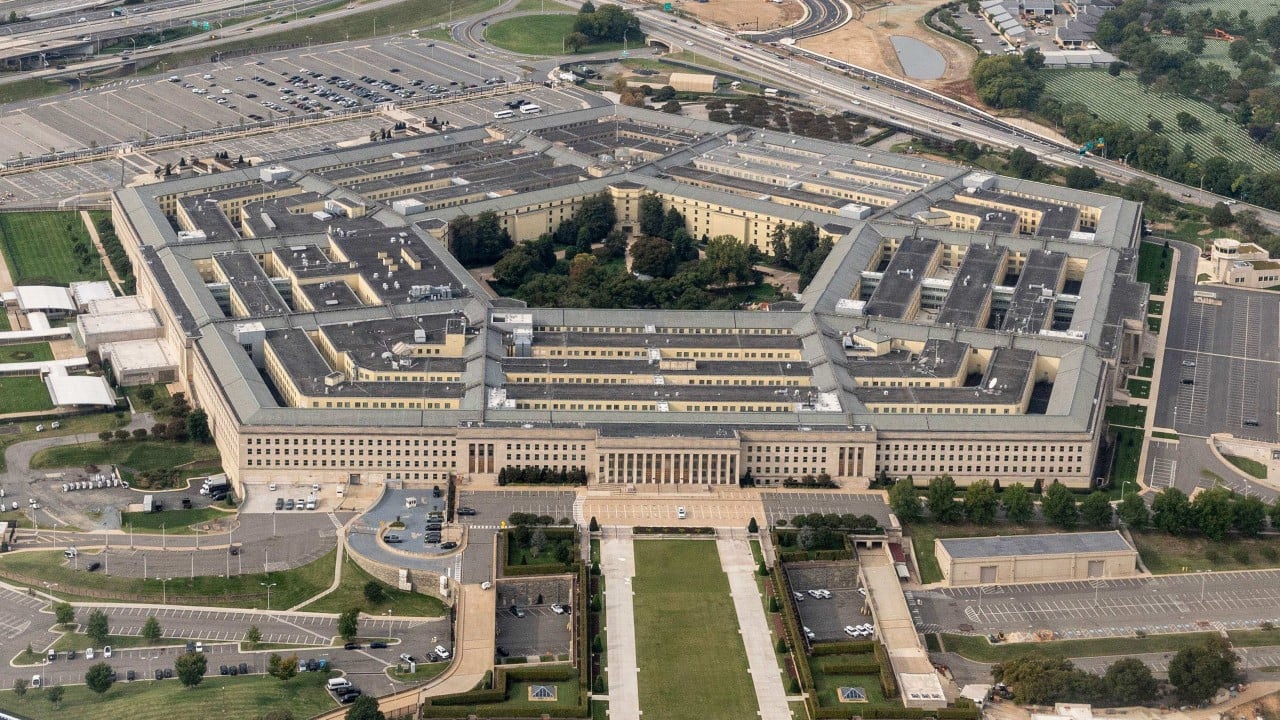
High-ranking military officers don't usually get tossed out of the Pentagon quietly. When Defense Secretary Pete Hegseth axed US Army Lieutenant General Brett Sylvia, it sent a shockwave through the defense establishment. The official reason given was stark: leaking classified information. But if you look closer at the machinery inside the Department of Defense, this high-profile ouster is about much more than just a single security breach. It exposes a bitter internal war over strategic planning, media control, and the intense pressure surrounding foreign policy decisions.
Let's break down what actually happened. Sylvia served as the head of strategy, plans, and policy on the Joint Staff, a critical role often called the "J5" position. In plain English, he was sitting right at the center of long-term military planning, including sensitive coordination on Iran. According to Pentagon officials, an extensive investigation by the Air Force Office of Special Investigations flagged Sylvia for unauthorized disclosures. Reports indicate he reportedly failed multiple polygraph tests regarding classified leaks, prompting swift and unsparing termination.
The Fallout and the Pressure Cooker
The Department of Defense didn't just fire him and move on. They referred the matter straight to the Justice Department for potential criminal prosecution. Pentagon spokesperson Sean Parnell made the department's stance crystal clear, noting that classified information isn't personal property and leaking it for professional or political gain is a direct betrayal of trust.
What makes this situation particularly volatile is the timing. Sylvia is the second general during Hegseth's tenure to leave this specific J5 strategic post. His predecessor, Lt. Gen. Joseph McGee, was pushed into retirement late last year. Losing top-tier operational planners during a tense geopolitical climate leaves massive gaps in military oversight. Sylvia isn't some desk jockey either. He boasts a 32-year career, earned a Bronze Star for valor, and took a Purple Heart after getting wounded in a firefight with the Taliban while commanding the 101st Airborne Division.
Denials and the Clash Over Information
Naturally, there's another side to this story. While investigators and leadership point to failed polygraphs and strict security protocols, colleagues close to Sylvia have pushed back. Reports indicate he consistently denied leaking classified material, even while acknowledging standard professional communication with members of the press.
This friction highlights a wider battle happening right now inside Washington. Media access policies at the Pentagon have tightened significantly under Hegseth, triggering sharp legal pushback and friction with press organizations. When leadership demands absolute secrecy and aggressively hunts down information flow, clashes with seasoned military officers who are used to traditional bureaucratic or inter-agency communication channels become almost inevitable.
What This Means Moving Forward
The Department of Defense is sending an unmistakable message to the ranks. If you talk out of school, you're gone. But the deeper question remains: how do you maintain operational security without completely freezing internal communication or alienating the career military leadership who run the day-to-day operations?
With no permanent replacement named yet for Sylvia, the J5 office faces a leadership vacuum just as major decisions loom over long-term strategy. Expect stricter internal monitoring, paranoid communications protocols across the board, and a chilling effect on anyone in uniform thinking about speaking off the record. Trust inside the building is at an all-time low, and the fallout from this firing will echo across military command structures for months.



