Defence Minister Rajnath Singh and External Affairs Minister S. Jaishankar landed in Tokyo this week to kick off the fourth India-Japan 2+2 Ministerial Dialogue. If you think this is just another diplomatic photo-op with handshakes and empty communiqués, you're missing the bigger picture. Tokyo and New Delhi are quietly overhauling their security architecture to match a rapidly shifting Indo-Pacific reality.
Co-chaired alongside Japanese Defence Minister Shinjiro Koizumi and Foreign Minister Toshimitsu Motegi, these talks cut past standard bureaucratic niceties. They focus on hardware, co-development, and hard-nosed maritime strategy.
Beyond the Usual Diplomatic Talk
For years, bilateral ties between New Delhi and Tokyo relied heavily on shared values and economic credits. But current geopolitical pressures demand actual operational capability.
When ministers sit down for these rounds, the agenda moves past vague statements about regional stability. Both capitals are pushing for real defence equipment collaboration and technology sharing. India wants to shed its status as a pure importer of military gear, looking instead for joint development frameworks. Japan, moving away from its historical post-war defence export restrictions over the past decade, sees India as a vital partner to stabilize supply chains and counter unilateral regional aggression. As extensively documented in latest coverage by Wikipedia, the results are widespread.
The Maritime Security Imperative
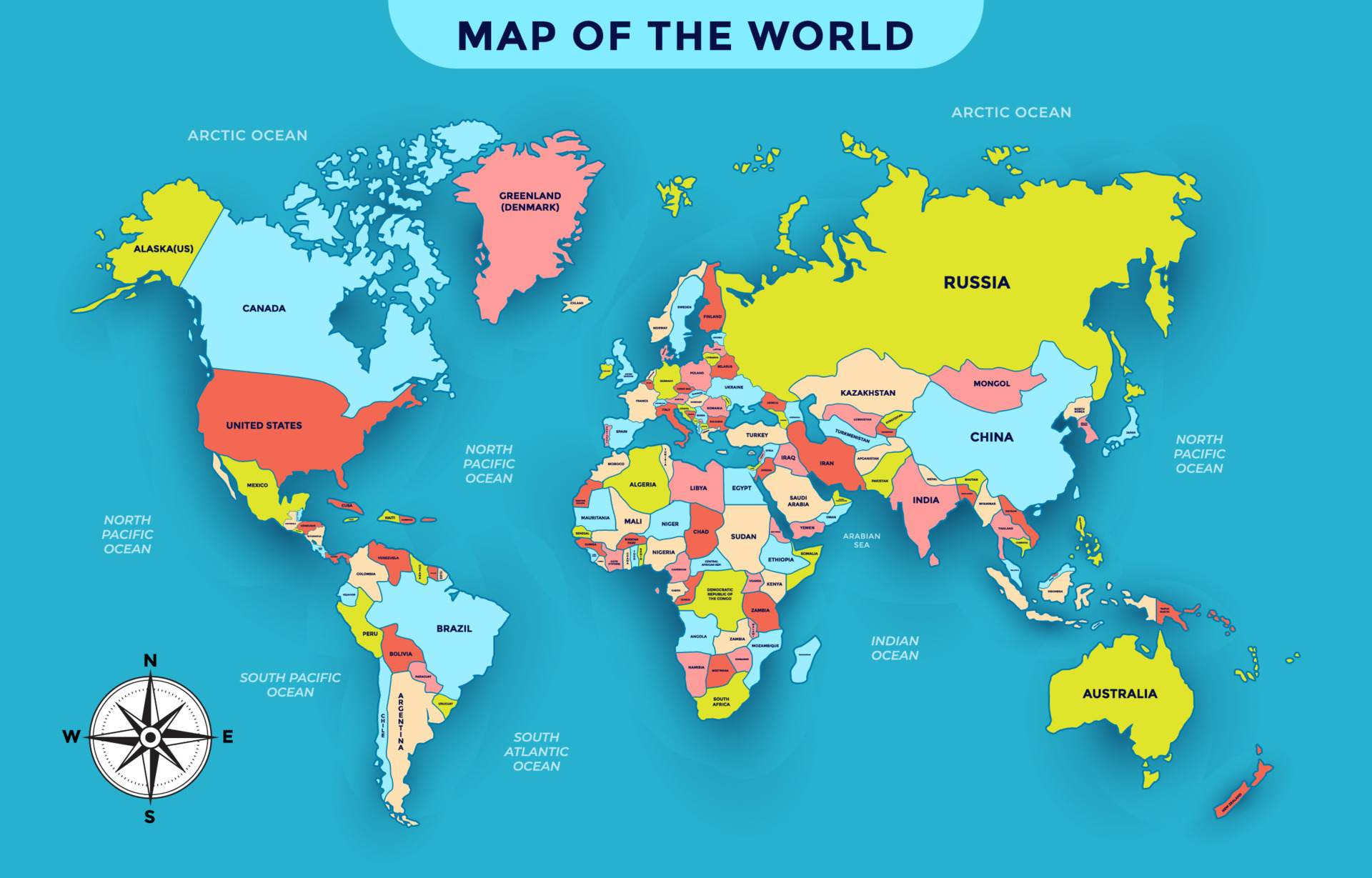
Look at a map and the strategic logic becomes obvious. The Indo-Pacific waterway handles a massive share of global commerce and energy shipments.
Both nations face a common challenge in securing critical sea lanes. Maritime security cooperation isn't just about joint naval exercises like Malabar anymore; it spans real-time information sharing, undersea domain awareness, and logistics support. When Indian and Japanese warships operate together, they send a clear message about keeping shipping lanes open and rules-based.
What Happens Next
The outcomes from this Tokyo summit will dictate defense acquisition timelines and joint manufacturing deals over the next several years. Watch for announcements regarding specific tech transfers and maintenance agreements. New Delhi and Tokyo aren't just talking about a secure future—they are building the supply lines to enforce it.