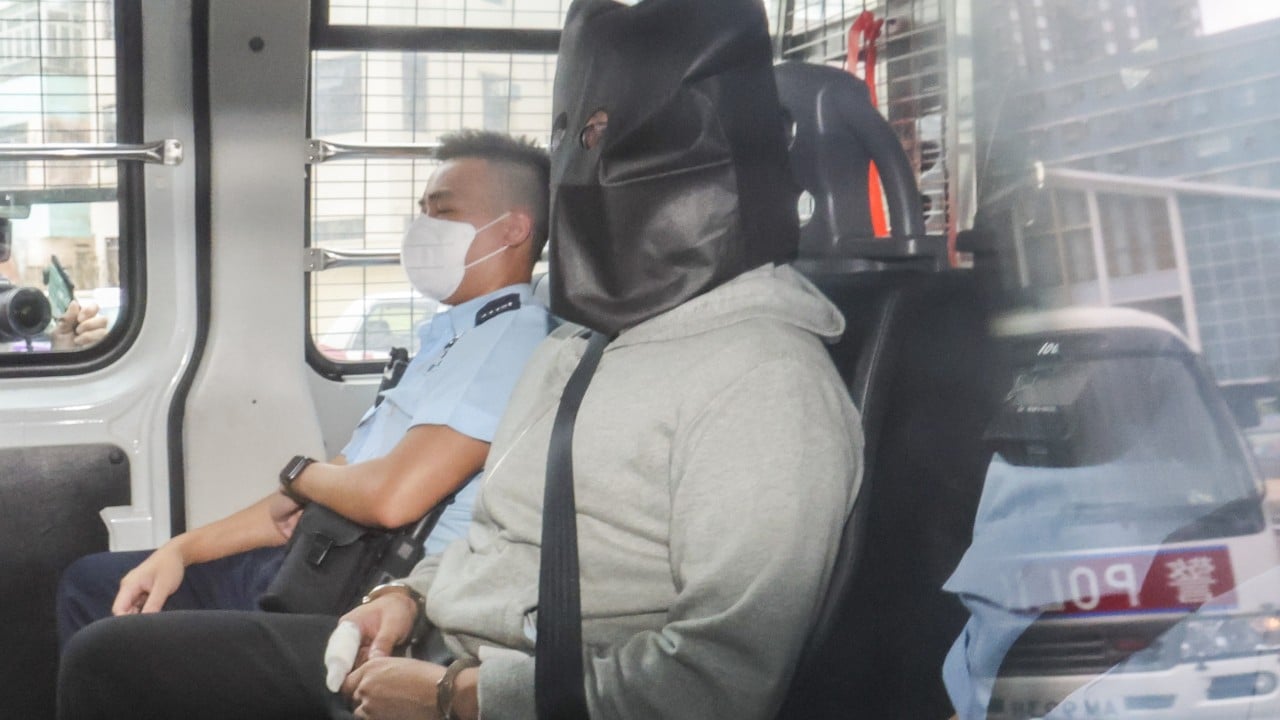
A jury in Hong Kong just found a man guilty of murdering his ex-girlfriend, a 23-year-old yoga instructor, inside a luxury hotel room. The verdict came down in November 2026, more than four years after the killing in June 2022 at The Ritz-Carlton in Tsim Sha Tsui.
At trial, nobody argued about who caused the death. The real fight was over what went on inside the defendant's head.
When you read headlines about a shocking crime in a five-star hotel, it's easy to focus on the setting or the graphic details. Honestly, though, the legal core of this case comes down to a sharp line between murder and manslaughter, and how jurors weigh a sudden-loss-of-control story against cold preparation.
How the case unfolded over four years
The victim, Chow Wai-yin—often known as Aqua—was preparing to fly to the United States to attend a yoga course when she vanished around June 29 and June 30, 2022. Her family reported her missing after she failed to board her flight.
Police eventually found her body in a bathtub at The Ritz-Carlton on the 106th floor, clothed and covered with a towel, after a key card was handed over to officers. Prosecutors pointed to forensic findings showing severe blood loss from more than 40 knife wounds across her face, neck, torso, and limbs, with no signs of drowning.
Trials in high-profile Hong Kong cases often take years to reach a jury. Delays happen for plenty of practical reasons: committal proceedings, forensic lab backlogs, witness availability, and crowded High Court dockets. By the time testimony began in early November 2026, the timeline itself had become a central battleground.
Murder vs. manslaughter in Hong Kong courts
In everyday talk, people use "murder" for almost any unlawful killing. Legally, that's a mistake.
Under Hong Kong law, murder requires proving that the accused unlawfully killed someone with an intention to kill or cause grievous bodily harm. A guilty verdict carries a mandatory life sentence. Manslaughter, by contrast, covers unlawful killings where that specific intent isn't established—for example, when provocation or diminished responsibility reduces the legal culpability from murder.
Prosecutors didn't accept the defence's offer to plead guilty to manslaughter. Instead, they pushed for a murder conviction by arguing the attack wasn't some spur-of-the-moment snap. They laid out steps that happened before Chow ever set foot in the hotel room.
Here's what stood out in the prosecution's narrative:
- Booking the hotel room ahead of time and extending the stay
- Buying a large knife from a kitchenware shop on the day of the death
- Luring Chow to the room with talk of luxury gifts like a handbag or scarf
- Leaving the room alone later and moving around the city before police found the body
That sequence matters because jurors rarely get a window straight into someone's thoughts. They look at actions before, during, and after to decide whether a story of "blanking out" holds water.
What the defence argued on the stand
Lo Chun-ming took the stand and told a very different story about why he was there and what happened. He described mounting debt, suicidal thoughts, and buying the knife intending to harm himself in front of her during a final goodbye.
He also testified about money and jealousy during and after their relationship. According to his account, he spent heavily on gifts and outings, felt pressured financially, and lost control after an argument flared up—specifically claiming he "blanked out" and his "brain was fried" when she scolded him and said earlier pregnancies weren't his.
Anyone who has followed criminal trials knows why testimonies like that are high-risk. A defendant can sound emotional and candid about past grievances or personal pain, yet still lose the jury if the physical evidence and timeline point toward deliberate violence. Over 40 wounds—including attacks from behind and deep injuries—are hard to square with a brief, passive lapse.
Why luxury settings and "romantic" motives skew public attention
Let's be real: a five-star hotel, designer labels, and a volatile ex-partner make a story irresistible to clicks. Those details create a vivid backdrop, almost like a movie set.
They can also distract from what actually decides the case. A high-end hotel doesn't change the legal test for intent, and claims about relationship drama don't automatically turn murder into manslaughter. In fact, courts treat claims of sudden rage or provocation with strict scrutiny, especially when evidence suggests preparation beforehand.
Another common misconception is that a long gap between arrest and verdict means the evidence was weak. Usually, it just means the legal system moved slowly. Pre-trial hearings, legal arguments over admissibility, and scheduling constraints stretch timelines out across years.
Practical takeaways for following court reporting
If you follow crime and court coverage—whether in Hong Kong or anywhere else—a few habits will save you from bad takes:
- Separate allegations from proof. Opening statements and testimony from either side aren't settled facts until tested against forensic reports, timelines, and the verdict.
- Watch the exact legal charge. Notice whether a case is about who did it, whether it was accidental, or what the person intended at the moment of the act.
- Check official court context when available. For Hong Kong proceedings, you can track general judiciary information and public announcements through the [Hong Kong Judiciary](https://www.hk judiciary.hk) portal or reputable local outlets like the South China Morning Post.
- Be careful with viral speculation. Online rumors around high-profile trials often mix unverified claims with real court evidence—especially early on or while trials are underway.
A unanimous verdict closes the trial phase, not the human cost left behind. Focus on verified court facts, keep the legal distinctions clear, and skip the sensationalism.


