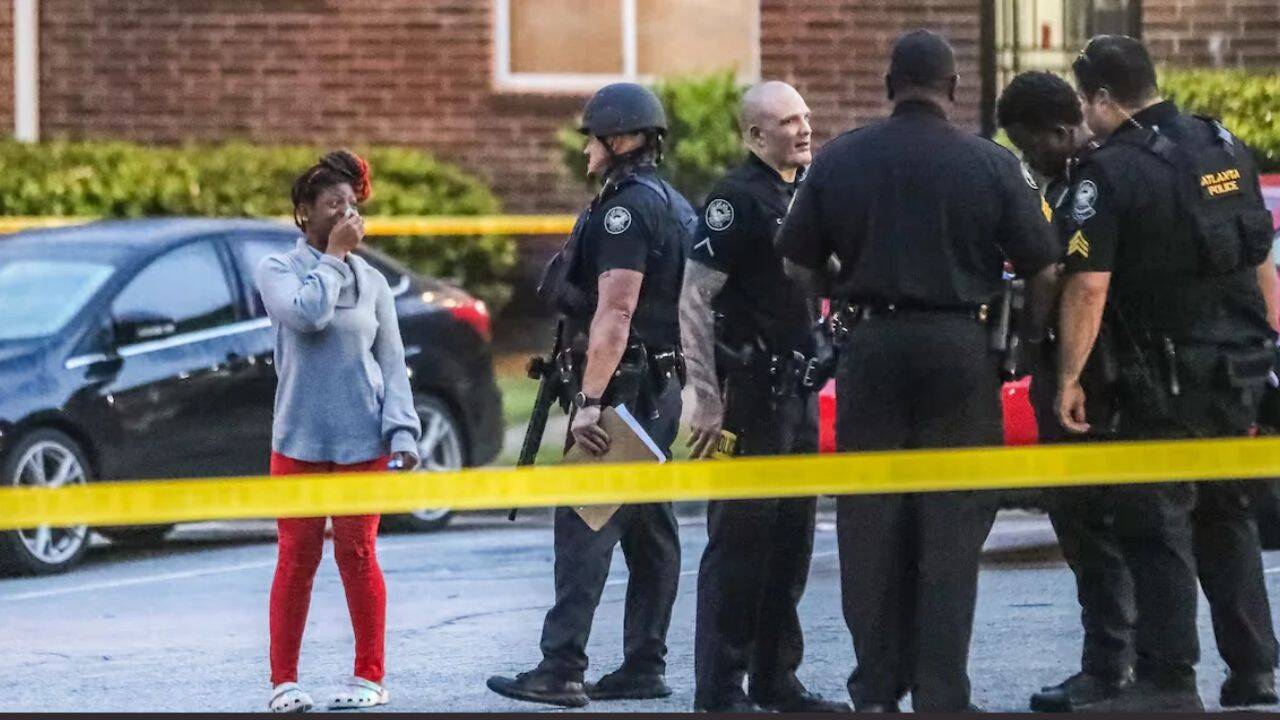
Imagine paying your rent on time, minding your own business, and suddenly having armed police officers force their way into your home because someone assumed the unit was empty. That nightmare actually happened to tenants Mario Vasquez Melgar and his co-tenants at the Roswell Creek Apartment complex back in 2022. Detective Charles Craig, who moonlighted as a private security guard for the property management firm SMRE Roswell SPE LLC, responded to burglary reports and wrongly targeted an occupied apartment.
Four years later, the legal fallout has taken a massive turn. In case number A26A1353, the Georgia Court of Appeals issued a ruling that breathes new life into the tenants' civil lawsuit against the corporate landlord. If you rent a home or manage properties, you need to understand why this decision shakes up traditional premises liability and blurs the lines between corporate security and police authority.
The 2022 Roswell Creek Apartment Incident
The core of the dispute goes back to a chaotic night at Roswell Creek Apartments. Detective Craig acted in a dual capacity, wearing a badge as a sworn police officer while also drawing pay as a security contractor for the apartment complex. Driven by reports of property crimes, Craig made a fatal assumption. He concluded that certain units were vacant without properly verifying tenancy records.
Instead of checking paperwork or contacting leasing office management, he summoned backup and breached a rented home where residents were actively living. The police officers confronted the occupants, detained them, and left the tenants shaken and looking for legal recourse. When the victims sued SMRE Roswell SPE LLC for assault, false imprisonment, and property safety failures, a lower court initially threw out major parts of the case. They gave the corporate landlord an early win by granting partial summary judgment.
How the Georgia Appeals Court Reshaped Landlord Liability
The appellate judges looked at the evidence through a lens heavily favoring the plaintiffs. That shift changed everything. The court reversed the lower court's dismissal of specific claims, proving that property management companies can't just hide behind a security guard's police badge when things go south.
The appeals panel reinstated Mario Vasquez Melgar's assault claim. The judges pointed out that testimony regarding whether the officer kept his weapon drawn during the removal of residents created a factual dispute that only a jury should resolve. They also brought back the premises liability claims for Melgar and Villeda. Property owners carry a non-delegable duty to maintain a safe environment. Landlords cannot hire armed security personnel, turn them loose on a hunch, and escape accountability when innocent renters get caught in the crossfire.
Furthermore, the panel rejected the corporate owner's argument that Detective Craig acted solely as a municipal police officer rather than an agent of the complex. A jury must now decide where the employment lines crossed during that botched search.
What This Means for Renters and Property Managers Moving Forward
Landlords love to argue that independent contractors or moonlighting cops insulate them from liability. This ruling shatters that defense strategy. When apartment complexes hire private security, they buy into the operational risks those guards create. If security practices violate basic tenant privacy and safety, the corporate entity shares the blame.
For renters, this decision offers a vital shield. You have a legal expectation of quiet enjoyment and physical safety inside your rented walls. Management companies must implement strict vetting and verification protocols before security staff or local law enforcement ever start kicking doors. Relying on gut feelings about vacant units is no longer just sloppy management—it is a fast track to a courtroom trial.
The lawsuit now heads back to the Gwinnett County Superior Court. A jury will finally weigh the evidence, listen to testimonies, and decide whether the apartment complex must pay for turning a routine security check into an unlawful detention. Watch this case closely. It sets a powerful precedent for tenant rights across the country.