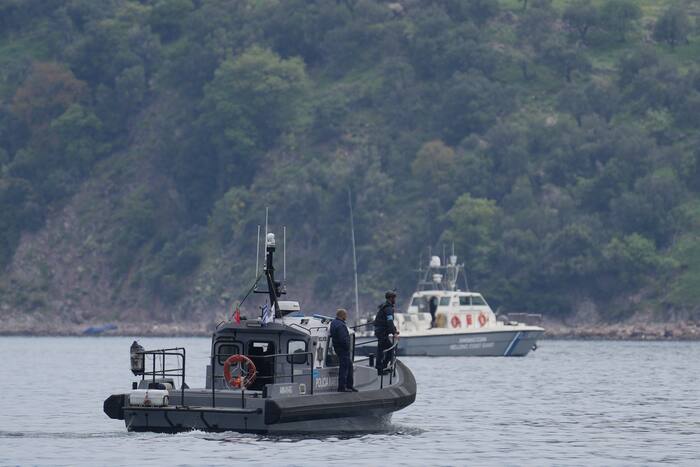
Twelve bodies were pulled from a crippled vessel drifting south of Crete, marking another grim milestone in an evolving humanitarian emergency that European border agencies are struggling to contain. A passing Moroccan-flagged container ship first spotted the boat roughly 15 nautical miles southeast of Kali Limenes, managing to pull 18 survivors from the wreckage before Greek coast guard vessels arrived.
This tragedy isn't an isolated accident. It's part of a massive, dangerous shift in smuggling routes toward the southern Greek islands.
The Dangerous Shift Toward Crete
For years, the frontline of Europe's migration debate centered squarely on the eastern Aegean Sea, where inflatable dinghies made the short, perilous dash from Turkey to islands like Lesbos and Chios. But intense naval patrolling and border crackdowns have forced smuggling networks to adapt. Now, traffickers are pushing off from the lawless coasts of North Africa—primarily Libya—sending overloaded, unseaworthy vessels on a much longer and deadlier journey straight toward Crete.
The numbers tell a stark story. On the same day the 12 bodies were recovered, Greek authorities and European border assets from Frontex scrambled to intercept multiple other vessels in the region. Two separate boats carrying 47 and 40 migrants were spotted further south, while aerial assets tracked additional groups. In total, over a hundred people had to be rescued in a single day of operations. To see the complete picture, check out the detailed analysis by TIME.
When boats launch from eastern Libya aiming for Crete, they face an open-sea voyage across deep, unpredictable waters. These aren't sturdy commercial vessels. They are often crammed beyond capacity with zero safety gear, leaving passengers entirely at the mercy of sudden weather shifts and engine failures.
Behind the Rescue Operations
Coordination in these remote waters is a logistical nightmare. In Monday's primary incident, it was a commercial container ship—not a patrol boat—that first spotted the distressed vessel and initiated the rescue of the 18 survivors. Under international maritime law, commercial vessels are obligated to assist ships in distress, but relying on cargo ships for mass rescues is a hazardous stopgap.
The European Union's border agency, Frontex, has increasingly deployed manned and unmanned aerial assets, including drones, to scan the Mediterranean sectors south of Crete. Spotting a small wooden or rubber boat in the vast expanse of open sea is like finding a needle in a haystack. By the time drones or coast guard vessels vector in, it's often too late for many on board, as dehydration, exposure, or overcrowding take their toll long before help arrives.
What Authorities Face Next
Local infrastructure on Crete is feeling the strain. Southern ports like Kali Limenes are unequipped to handle sudden influxes of hundreds of distressed travelers at a time. Survivors pulled from the water require immediate medical triage, identification processing, and temporary shelter—resources that local municipalities are forced to scramble together on short notice.
Greek officials have repeatedly warned that unless stability returns to North Africa and international smuggling rings face harsher disruptions at their departure points, these southern sea routes will continue to claim lives. The shifting geography of migration means islands previously insulated from the crisis are now on the front line, and the death toll in the deep waters south of Crete proves just how high the stakes have become.



