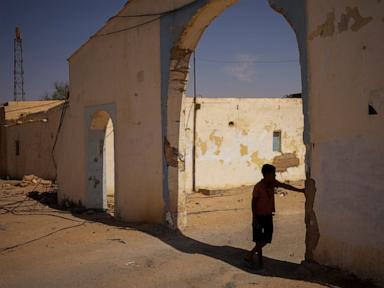
Thirty-five years of fragile international oversight in Western Sahara just unraveled in a New York boardroom. When the United States and Russia vetoed each other's rival draft resolutions at the United Nations Security Council, the mandate for the United Nations Mission for the Referendum in Western Sahara (MINURSO) abruptly expired.
This isn't just another diplomatic spat. It marks the termination of a decades-long international monitoring presence in one of Africa's most politically sensitive territories. Stéphane Dujarric, spokesperson for the U.N. secretary general, confirmed that a liquidation period has begun. A smaller team from the Department of Operational Support is now tasked with managing the orderly withdrawal of equipment and assets from troop-contributing nations like Egypt, Ghana, and Pakistan.
How the US-Russia Standoff Killed MINURSO
For decades, the renewal of MINURSO's mandate was treated as a routine bureaucratic exercise. Behind the scenes, however, tensions were boiling over the core framework of the dispute.
The breakdown happened when Washington pushed a draft resolution that aligned closely with Morocco’s demands for sovereignty over the territory. Russia retaliated by vetoing the U.S. proposal, while simultaneously having its own rival text voted down by other council members.
The direct confrontation left the 534-person mission without legal authority to operate. Instead of finding a compromise, the world's leading powers slammed the door shut on a mission that cost over $62 million annually.
Local Reactions and Regional Fallout
Reactions on the ground reveal just how polarized the region remains.
Morocco's royal palace openly welcomed the non-renewal. Rabat has long viewed the international mission as an unnecessary instrument used to internationalize a domestic dispute. Bringing Western Sahara under total sovereignty is the cornerstone of Moroccan foreign policy, and seeing the UN process stall out permanently is viewed in Rabat as a major strategic victory.
On the flip side, the Polisario Front and its primary backer, Algeria, slammed the decision as entirely unacceptable. Algiers criticized what it called an extreme pro-Rabat bias in the failed U.S. text. With diplomatic ties between Morocco and Algeria already severed since 2021, analysts warn that removing the buffer of international observers could accelerate an arms race and spike regional tensions.
The Forgotten Referendum That Never Was
To understand why this collapse matters, you have to look back at how MINURSO was born.
Following a bitter 15-year armed conflict that claimed over 16,000 lives after Spanish withdrawal, a UN-brokered ceasefire took hold in 1991. The deal promised a democratic referendum on self-determination, giving local populations a choice that included full independence.
That vote never happened. A permanent deadlock formed over voter eligibility. Morocco argued that Sahrawis living inside the Moroccan-administered territory should vote, while the Polisario insisted on sticking strictly to historical Spanish colonial census rolls to prevent integration outcomes.
For 35 years, MINURSO served as the fragile glue holding that frozen conflict together. Now, with the observers packing their bags, the territory enters an entirely uncharted phase with zero international guardrails.



