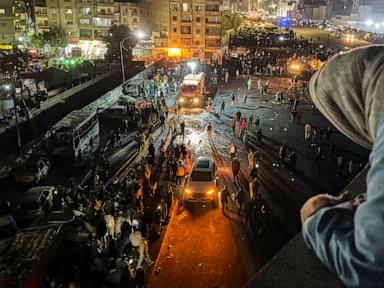
Thirty-one people died on a stretch of Cairo's Ring Road in a matter of minutes after a fuel tanker overturned and erupted into flames during Wednesday rush hour. Egyptian authorities have since detained a driver suspected of sparking the disaster after allegedly weaving between lanes at high speed and clipping the tanker's right rear side.
Arresting one suspect makes for a clean headline. It doesn't fix why a fuel truck and dense commuter traffic were sharing space that way in the first place.
That is the real story behind the Cairo tanker crash in Giza's densely populated Waraq district. Wire reports do a solid job laying out the immediate facts—31 killed, dozens injured, 27 charred vehicles, 39 ambulances dispatched, and DNA testing underway to identify victims. What they often treat as background noise is the structural rot underneath: heavy hazardous-cargo trucks moving alongside packed microbuses, motorcycles, and everyday commuters on a highway chokepoint where a single mistake turns into an inescapable wall of fire.
What Happened on the Ring Road in Waraq
According to statements from Egypt's Public Prosecution office, the chain reaction started when a speeding driver weaving between lanes struck the right rear of the petroleum tanker as it passed through Waraq on the northern side of the Ring Road. Some reports note the suspect told investigators he had been driving around 70 miles per hour before losing control and veering right.
As the car veered off, one of the fuel truck's tires burst. The tanker hit a concrete highway barrier, overturned, spilled fuel, and caught fire.
Witnesses described scenes that felt almost unreal in their speed and fury. Microbus driver Salah Ahmed, held back by congestion that likely saved his life, called it "God's hellfire on the Ring Road". Other bystanders told reporters that commuters inside private cars, taxis, and motorcycles had almost no time to escape before flames engulfed the vehicles. By Thursday, most wreckage had been cleared and traffic resumed, leaving behind blackened guardrails, twisted high-voltage wires, ash, and grieving families waiting outside hospitals.
Why Blaming One Speeder Misses the Bigger Picture
Let's be honest: if a driver weaves aggressively through rush-hour traffic and clips a fuel tanker, criminal accountability matters. Prosecutors are right to investigate the suspect's role.
Still, stopping at "reckless driver detained" lets everyone else off the hook too easily.
Anyone who has spent time driving or riding along Greater Cairo's arterial roads knows the rhythm of the Ring Road. It links Cairo, Giza, and Qalyubia and carries massive daily volumes of commuters heading home from work or school alongside commercial freight. When a heavy tanker carrying flammable petroleum products rolls through a crowded urban corridor at peak hours without strict routing limits, lane discipline, or buffer zones, the margin for error drops close to zero.
That's why witnesses immediately asked a sharper question at the scene: why was a truck like that on the Ring Road during rush hour, and who actually faces consequences when oversight fails?
Bigger Highways Alone Haven't Solved the Risk
Egypt has spent heavily in recent years expanding highways, bridges, and road infrastructure across the country to ease bottlenecks and keep pace with population growth. Wider asphalt and new overpasses can move more cars when things flow smoothly.
They also make higher speeds easier. And higher speeds turn minor contact—like a clipped rear corner or a blown tire—into catastrophic rollovers.
Public health and road safety researchers have pointed out for years that physical road building only works alongside strict speed management, vehicle roadworthiness checks, seatbelt enforcement, and clear rules for dangerous goods. As documented in World Health Organization road safety reporting for Egypt, factors like speeding, driver inattention, improper passing, and vehicle issues have long weighed heavily on crash patterns, while enforcement gaps keep high-risk habits alive. Wire reports also note that more than 5,200 road deaths were recorded nationwide the previous year, following other deadly pileups and transport disasters that keep anger simmering.
Questions People Are Asking Right Now
When a crash kills 31 people in a single fire, people search for answers fast—and plenty of confusion pops up around casualty counts, investigation steps, and safety rules.
- Why did the reported injury count vary across outlets? Early updates from authorities and news agencies cited figures ranging from 21 to 26 injured, with some victims in critical condition and hospitals receiving patients over several hours. Fast-moving emergencies often produce shifting tallies before final hospital and prosecution figures settle.
- Why is DNA testing taking time for victims? Severe thermal burns from a petroleum fire can make visual or fingerprint identification impossible. Prosecutors ordered DNA sampling so families aren't left guessing and official records stay accurate.
- Was the tanker driver the one arrested? No—prosecutors stated they detained the driver of the smaller vehicle suspected of clipping the fuel tanker while weaving at high speed, which triggered the loss of control, tire burst, barrier impact, and rollover.
What Needs to Change Next on High-Risk Corridors
You don't need a degree in traffic engineering to see what goes wrong on crowded ring roads. When high-speed weaving, uninspected tires or commercial loads, and dense mixed traffic collide, everyone nearby pays the price.
If you commute on or near the Cairo tanker crash corridor or similar high-speed urban highways, a few practical habits actually help protect you in real life:
- Treat heavy tankers and freight trucks like hazards with wide blast and rollover zones. Don't linger beside fuel trucks or large commercial haulers, and give them extra space when traffic bunches up.
- Watch your mirrors and stay out of the weaving lanes. Aggressive lane-hoppers create sudden chain reactions—shifting away from erratic drivers early beats trying to out-brake a pileup.
- Keep an escape mindset in stop-and-go highway traffic. Leave room ahead so you aren't boxed in bumper-to-bumper if a crash ahead sparks smoke, debris, or fire.
- Follow official prosecution and health ministry updates rather than viral rumors. During major emergencies, unverified clips spread fast online; rely on statements from Egyptian authorities and wire reports such as Reuters or The Associated Press for verified developments.
For policymakers and transport regulators, the real test starts now: pairing tougher criminal penalties for reckless driving with real enforcement on hazardous-cargo timing, speed cameras, and fleet safety checks before another highway turns into a trap.



