When a river bursts its banks during a tropical downpour, water looks for the lowest, easiest path into the earth. Unlined shafts dug illegally into a hillside are basically open invitations.
In late November 2026, heavy rain in the Pongkor area of Indonesia's Bogor regency, roughly 60 kilometers south of Jakarta, sent the nearby Ciseureuh River overflowing into an unauthorized gold mine shaft. Reports from the disaster point to 13 workers confirmed dead and 13 still trapped underground—though evolving recovery updates in the days following the flood show how fluid and grim underground rescue tallies quickly become when water fills deep, unmapped workings. Either way, the core tragedy hasn't changed: dozens of miners went into a steep, narrow excavation around 100 meters deep, and nature turned their workplace into a cistern in minutes.
If you're searching for what happened in this Indonesia disaster, the headline numbers tell only half the story. The real story is why rescue teams were already fighting an uphill battle before the first pump even arrived, and why this exact kind of tragedy keeps repeating across Indonesia and other gold-rich regions.
What Actually Happened Inside the Pongkor Flood
Heavy rain hit on Monday, pushing the Ciseureuh River over its banks near facilities belonging to PT Aneka Tambang—commonly known as Antam—at its Pongkor gold mining unit. While the unauthorized shaft sat near Antam's operations, company officials stressed the site wasn't part of their authorized mining work.
Here's the part that makes underground flood rescues so brutal: timing. According to official accounts cited in reporting on the disaster, police didn't learn about the trapped miners until roughly 16 hours after the flooding began. Local miners and residents initially tried to pump water out on their own. Nobody wanted to call authorities right away because the mine was illegal.
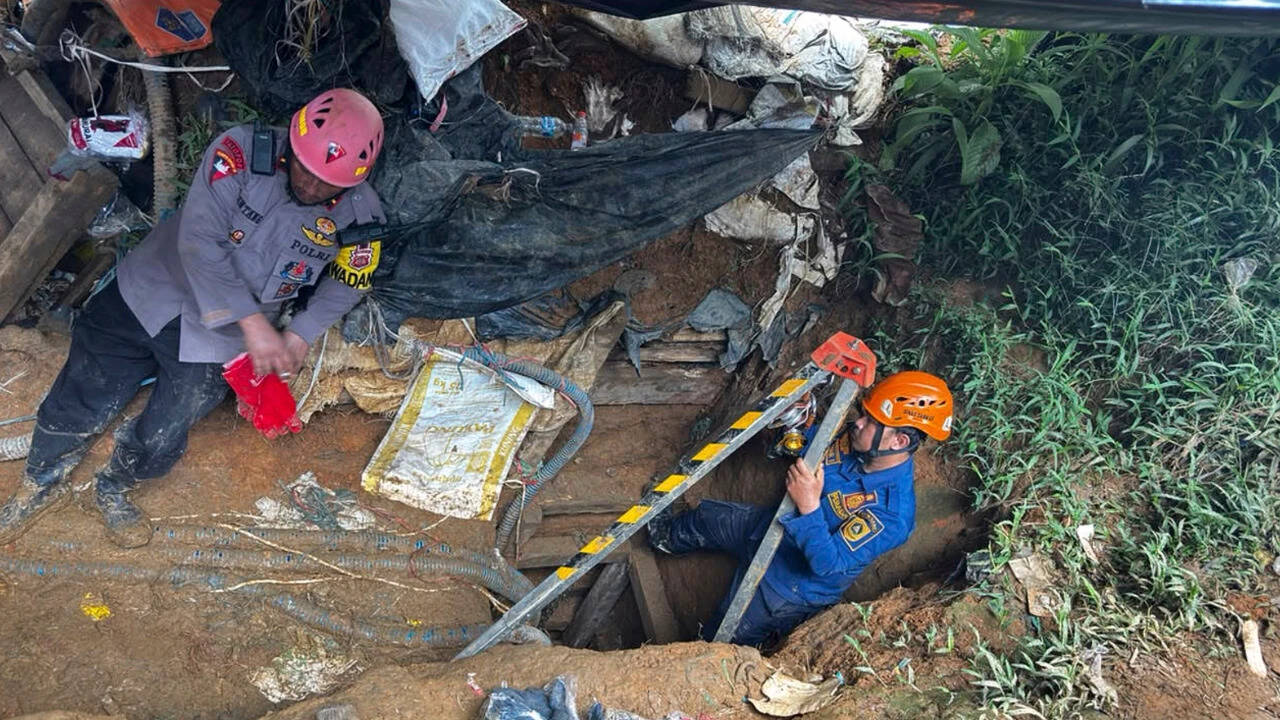
Think about what 16 hours means when a 100-meter shaft fills with river water and seeping groundwater. Every hour of delay gives rising water more time to seal off pockets of air, collapse weak rock walls, and turn vertical rope climbs into pitch-black obstacle courses. By the time a formal report reached search and rescue authorities and full-scale operations kicked into gear, rescuers from Indonesia's National Search and Rescue Agency (BASARNAS) and partner agencies were dealing with submerged passages, slippery footing, zero visibility, and continuous groundwater seepage.
Initial recoveries on Wednesday found victims at depths of 30 to 40 meters, with later updates noting bodies pulled from depths stretching between 30 and 70 meters as crews worked across adjacent shafts using rope-access gear and submersible pumps. Rescuers even tried sealing openings where groundwater kept trickling in, yet draining a deep, irregular excavation takes time that trapped miners simply don't have.
Why Illegal Mines Flood Faster and Fail Harder
People who haven't spent time around small-scale mines often picture a simple hole in the ground. That mental model is dangerously wrong.
Illegal, artisanal, and small-scale gold mining—often called pertambangan emas tanpa izin (PETI) in Indonesia—usually involves hand-dug or lightly supported tunnels carved along mineral veins without geological surveys, engineered drainage, engineered bulkheads, or engineered escape raises. When you don't map rock fractures or hydrological pressure, you don't know where an underground water pocket sits or how fast a swollen river will find a weak fissure.
In theory, pumping water out of a flooded shaft sounds straightforward. Drop a hose, turn on a pump, lower the water level. In practice, underground rescue work is a messy slog.
First, sediment and debris wash in with floodwater. Mud clogs pump intakes, coats ladders and ropes in slick silt, and turns narrow drifts into traps. Second, groundwater keeps seeping from surrounding rock even after surface runoff slows down, meaning crews have to fight inflow and stored volume at the same time. Third, ventilation and air pockets are unpredictable in unventilated workings—pushing water or disturbing stagnant pockets can create hazards underground that aren't visible from the surface.
Even legal, well-funded mines take serious precautions against surface water and aquifers. Informal operations cut corners on all of it because proper engineering costs money, takes time, and requires permits that many operators never get or can't afford.
The Hidden Economics Keeping Miners in Harm's Way
It's easy from a comfortable chair thousands of miles away to ask why anyone would climb down a 100-meter illegal shaft in rainy weather. Honestly, if you look at rural economics, the answer isn't mysterious at all.
Gold has a huge advantage over almost every other crop or commodity a rural worker can touch: it's compact, easy to transport, and always in demand. When farming income is thin, seasonal work dries up, or local job options are scarce, a shot at finding gold feels like a lifeline—even if the odds of striking it rich are slim and the physical toll is severe.
State-owned operators like Antam have stated they've repeatedly shut access to illegal sites around Pongkor and used patrols, drones, and surveillance cameras to deter unauthorized entry. That shows a real enforcement effort on paper. Yet drones and fences alone don't erase poverty or desperation. As long as gold sits just beyond a perimeter and local livelihoods feel squeezed, someone will look for a way in.
There's also a broader pattern here that news briefs sometimes gloss over. Authorities in Bogor recently closed roughly 30 gold mine pits in a separate area of the regency, according to reporting on the crackdown. Closing pits matters, sure, yet informal mining in Indonesia spans remote areas across multiple islands where enforcement resources are stretched thin. Crackdowns without economic alternatives often push miners to dig deeper, sneak in at night, or move to harder-to-reach spots.
Danger Doesn't Stop at Floodwater
Floods and tunnel collapses grab headlines because they're sudden and dramatic. Still, miners in informal gold operations face slow-moving hazards that are just as lethal over time.
Gold ore processing in small-scale mining frequently relies on toxic chemicals—especially mercury and cyanide—often handled with minimal or zero protective gear. Mercury vapor and contaminated runoff don't just threaten the person working at the sluice or pan; they can linger in soil, air, and waterways, harming families and downstream communities long after a single shaft is abandoned.
When you combine:
- Unengineered shafts and weak rock support
- Flash floods and river overflows during heavy rain
- Delayed emergency calls due to fear of legal penalties
- Toxic ore-processing chemicals and missing safety gear
you get a system where workers absorb almost all the risk while formal safety standards barely exist.
What Most Coverage Misses About Mine Rescue Reality
Standard news updates usually focus on body counts, missing totals, and whether a major mining company owns the site. Those details matter for accountability, of course. Antam made clear the flooded mine wasn't part of its operations while offering humanitarian support to search and evacuation efforts, and local officials noted that unreported illegal activity delays rescue starts.
What gets lost in quick wire-style summaries is the sheer friction of underground recovery. When water fills vertical and angled passages at 30, 40, 70, or 100 meters down, rescuers can't simply walk in with stretchers and floodlights. Every meter requires rigging, communication checks, air and water management, and careful movement so rescuers don't become the next victims.
That's why officials often warn that survival odds drop sharply as days pass in a flooded, unventilated shaft. Saying that isn't cold—it's just physics and human physiology. Cold water, confined space, lack of food and clean air, and rising water levels leave very little margin for error.
Practical Next Steps for Policy, Safety, and Reporting
Fixing a problem rooted in geography, poverty, and informal labor takes more than a press release after a tragedy. Whether you're following Indonesian policy, working in disaster response, or researching mining governance, a few concrete steps make a real difference:
- Build faster, non-punitive emergency reporting channels: When fear of arrest delays a rescue call by 16 hours, people die who might have had a chance. Disaster agencies and local leaders need clear protocols that prioritize saving lives first during active emergencies.
- Pair enforcement with real livelihood alternatives: Fences, patrols, and pit closures stop some activity temporarily, but lasting reduction requires training, legal cooperative pathways where appropriate, and steady local jobs that don't depend on risking your life underground.
- Invest in local early-warning and pump readiness: Flood-prone mining valleys need better rainfall and river-level alerts, mapped abandoned or illegal shafts so rescuers aren't guessing layouts, and rapid-deployment pumping gear staged near known hotspots.
- Track chemical and environmental fallout alongside casualty counts: After any mine flood or collapse, monitor nearby rivers and community health for mercury and cyanide exposure, not just structural damage.
- Read beyond initial casualty numbers: In underground disasters, early figures often shift as water recedes and search teams reach deeper levels—always cross-check updates from agencies like BASARNAS, police spokespeople, and credible news organizations like the Associated Press or Reuters rather than relying on a single snapshot.