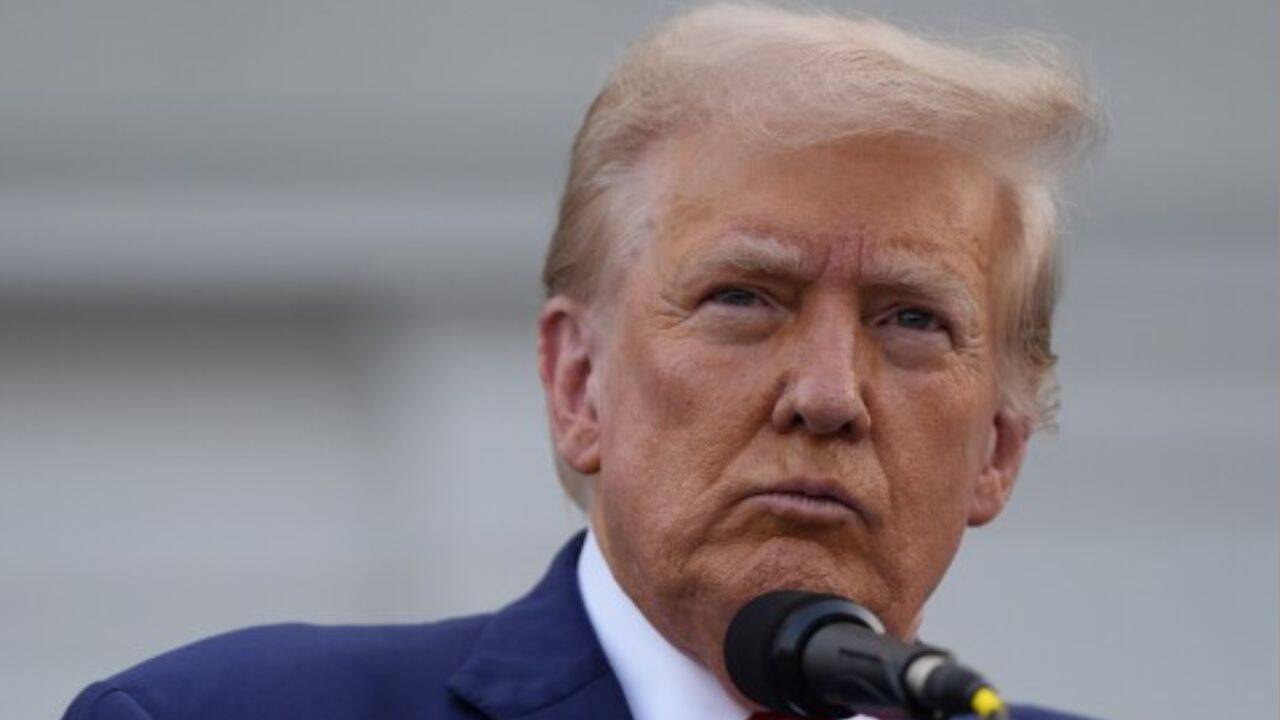
A federal judge just hit the brakes on Donald Trump's ambitious plan to overhaul the historic East Potomac Golf Links in Washington, D.C. U.S. District Judge Ana Reyes issued a temporary restraining order forcing the administration to keep the century-old public facility open, completely disrupting a scheduled fifteen-month closure. Predictably, the response from the White House was swift and furious.
Trump slammed the decision as a deeply political and destructive interference, arguing that the public layout desperately needs a modern safety overhaul. But what started as a simple legal dispute over a golf layout has quickly spiraled into a massive constitutional showdown between the executive branch and a federal judge who refuses to look the other way.
Inside the Legal Clash Over East Potomac Park
The core conflict centers on what to do with a 106-year-old public recreational space sitting right along the Potomac River. The administration wants to bulldoze the existing design and replace it with a single championship-caliber eighteen-hole course capable of hosting massive professional tournaments like the U.S. Open or the Ryder Cup.
Backers of the project insist the current grounds are outdated and unsafe due to cramped fairways, failing infrastructure, and a deteriorating seawall. On the other side, the DC Preservation League and local golfers filed a lawsuit arguing that the sweeping redevelopment will radically alter an accessible public amenity and price out everyday players.
The tension peaked when hundreds of trees were chopped down ahead of schedule, triggering an emergency push from plaintiffs to halt the destruction. Judge Reyes didn't mince words, pointing out the stark contradiction between what government lawyers claimed in court filings and what the president openly posted on social media about the immediate closure timeline.
Why This Case Stretches Beyond Golf
Most people look at this headline and assume it's just local real estate politics. It's not. This case has turned into a referendum on executive power and transparency within the federal judiciary.
Judge Reyes appointed a former federal prosecutor as a special master to investigate whether Department of Justice attorneys intentionally misled the court regarding the administration's true construction timeline. That move sent shockwaves through legal circles. When a judge openly questions whether government lawyers are giving honest timelines, the stakes rise instantly.
The golf dispute is also just one piece of a broader federal push by Trump to dramatically reshape the nation's capital. From plans for a towering memorial arch to a massive White House ballroom project, these urban interventions are facing wave after wave of local opposition and environmental lawsuits. Every single one of these sites has become a flashpoint for how much authority a sitting president holds over federal land inside the District of Columbia.
What Happens Next on the Green
The temporary restraining order runs through late November, and the Justice Department has already signaled it will vigorously defend the administration's policies on appeal. Trump maintains that the courts are overreaching into matters that belong strictly to executive agency management.
If you're tracking how federal projects get stalled in modern Washington, this case is the ultimate textbook example. Public recreational access, historic preservation laws, presidential ambition, and judicial skepticism are all colliding at once. The turf war over East Potomac is far from over, and the legal fallout will set a heavy precedent for how future capital infrastructure projects get built—or blocked.
Judge Blocks Trump Golf Course Closure in Washington
The linked video provides additional context regarding the judicial ruling and the ongoing legal battles surrounding the East Potomac redevelopment plans.