Voter apathy is supposed to be the default state of modern democracy. People complain on social media, skip the ballot box, and let a fraction of the population decide the future. Then Alberta happened.
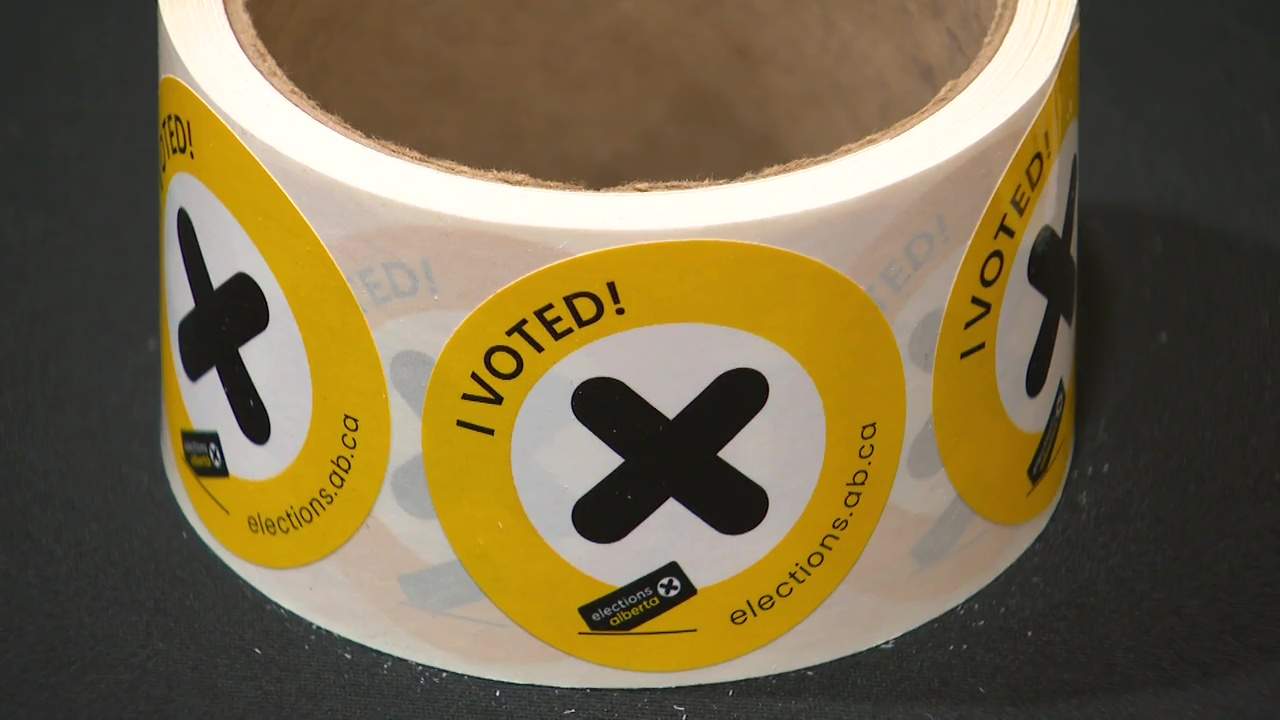
Official figures released by Elections Alberta peg voter participation at a staggering 70.4 per cent for the historic separation question. That single number shattered decades of electoral norms. You have to look all the way back to 1975 to find a provincewide vote that drew crowds remotely like this.
Let's break down what actually happened, why citizens flooded the polls, and what this massive turnout means for the political landscape moving forward.
The Numbers Don't Lie
When ten distinct questions landed on ballots, political analysts expected fatigue. Instead, Albertans showed up in droves. Turnout hovered right around that 70.4 per cent mark across the board, jumping massively from the 60.5 per cent seen in the 2023 general election.
For context, out of roughly 3.1 million eligible voters, millions made their voices heard. While it didn't quite crack the all-time historic record of 81.8 per cent set way back in the 1935 general election, it completely redefined engagement levels for a modern provincial vote.
Why Everyone and Their Dog Showed Up to Vote
You don't get a 70.4 per cent turnout unless people feel an acute sense of urgency. The core driver was obvious: the question of whether Alberta should carve its own path entirely separate from Canada.
Separatist movements have simmered on the fringes of Western Canadian politics for years. But pushing the question to an official, provincewide ballot forced every household to take a hard stance. It wasn't just about abstract fiscal federalism anymore. It was about identity, economic survival, and the future of the federation.
At the same time, the ballot didn't just stop at separation. Voters weighed in on immigration policy changes and provincial autonomy measures. That heavy lineup of consequential topics turned polling stations into community gathering spots. Lines wrapped around buildings. Indigenous communities reported massive participation surges, even highlighting temporary ballot shortages due to the unexpected rush.
What the Result Actually Means for Ottawa and the UCP
The pro-Canada side won decisively, with roughly 74.95 per cent of voters opting to stay within the federation rather than pursue a binding separation path. Premier Danielle Smith quickly framed the United Conservative Party as a federalist organization, aiming to calm markets and unify a deeply fractured political base.
Yet, treating this referendum as a simple status-quo victory is a massive mistake.
While voters slammed the brakes on outright separation, they sent a loud, aggressive message regarding federal overreach and immigration control. The province wants distinct powers, similar to the autonomy deals seen in Quebec. Business leaders breathed a collective sigh of relief as the Canadian dollar ticked upward following the result, but internal party pressures on Smith aren't going away. Critics within and outside the UCP are already arguing over who carries the blame for letting the separatist debate split the party lines so deeply.
The Real Takeaway for Future Elections
If anyone tells you that voters are too cynical to care about big structural changes, point them straight to Alberta's latest numbers. When stakes are high and people believe their vote directly triggers a tangible choice, participation skyrockets.
The challenge for politicians now is managing that intense engagement. You can't spark a massive populist referendum, draw a 70.4 per cent turnout, and then expect voters to quietly go back to sleep. People are paying attention, and they expect action on immigration and provincial rights sooner rather than later. Keep your eyes on the legislature this coming spring—that's when the real fallout begins.