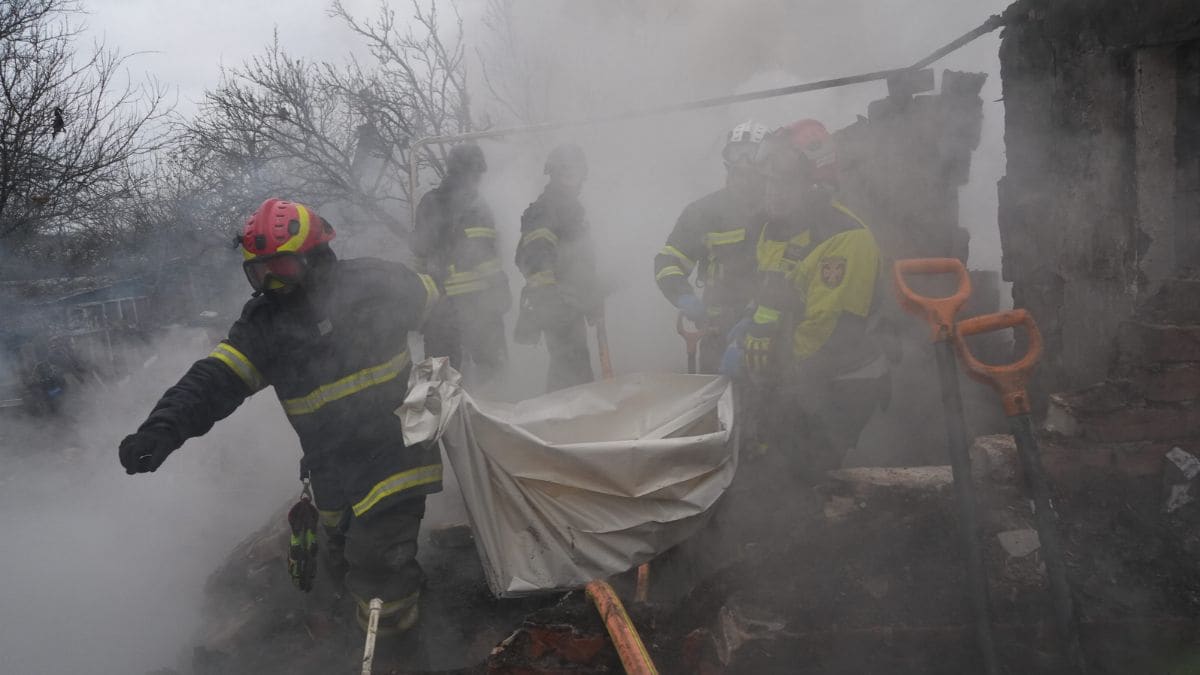
Ghost towns don't happen overnight, but they stay for a long time. Exactly one year after the disputed October 2025 general elections plunged Tanzania into its worst human rights crisis, the physical debris has been swept away, yet the psychological scars remain raw. If you walk through neighborhoods in Dar es Salaam, Arusha, or Mwanza today, you won't hear people openly talking about what happened when the internet went dark. They whisper. Fear has a way of locking down a city long after the tear gas clears.
The official government-established commission of inquiry recorded 518 deaths during the post-election crackdown, though opposition groups and civil society coalitions insist the real toll is drastically higher. Families are still searching for missing relatives, checking morgues that long ago stopped answering questions, and wondering how an election meant to decide the country's leadership turned into a military-style operation against civilians.
The Anatomy of a Crackdown
To understand why the trauma refuses to fade, you have to look back at how the crisis unfolded. In the days leading up to the October 29 vote, tensions soared as key opposition figures—most notably from the Chadema party—were barred from participating. When citizens poured into the streets to protest what they saw as a hollow vote, the response from security forces was immediate and brutal.
Open-source digital investigations and human rights reports have since pieced together the horrifying timeline:
- Internet blackouts were enforced instantly to halt the flow of information.
- Police and plain-clothed security operatives opened fire with live ammunition in crowded urban sectors.
- Arbitrary arrests swept up hundreds, with many facing heavy treason charges that carry the death penalty.
The state's machinery didn't just suppress a protest; it sent a chilling message. But rather than restoring lasting stability, the iron-fisted approach shattered public trust entirely.
Where Is the Accountability?
Twelve months later, justice remains entirely out of reach for victims' families. While international bodies like Amnesty International and Human Rights Watch have repeatedly called for transparent investigations into security force abuses, domestic authorities have chosen a different route.
Instead of prosecuting officers captured on geo-located video firing into crowds, the government has doubled down on silencing dissent. Officials have weaponized counterterrorism laws, arresting critics and opposition organizers under the guise of national security. Prominent opposition leaders like Tundu Lissu have faced ongoing treason trials, turning the courtroom into a theater of political elimination rather than a place for reconciliation.
When a government treats survivors of state violence as national security threats, healing becomes impossible.
Living in the Shadow of Impunity
For ordinary Tanzanians, the cost of speaking out is simply too high. Journalists practice extreme self-censorship, lawyers representing detained protesters face harassment, and ordinary citizens know that criticizing the administration can lead to enforced disappearance.
The international community watches from a distance, issuing statements of concern while regional economic integration continues. But local civil society groups know that statements don't rebuild broken families or bring back the breadwinners gunned down on Morogoro Road.
One year on, Tanzania stands at a dangerous crossroads. Economic pressures, food and fuel supply anxieties, and political oppression form a suffocating loop. Until the state acknowledges the blood spilled on its streets and offers genuine accountability, the trauma of 2025 will remain the defining baseline of modern Tanzanian politics.
Tanzania families demand justice a year after deadly protests
This video report captures the ongoing struggles and demands for justice from grieving families one year after the deadly post-election violence in Tanzania.