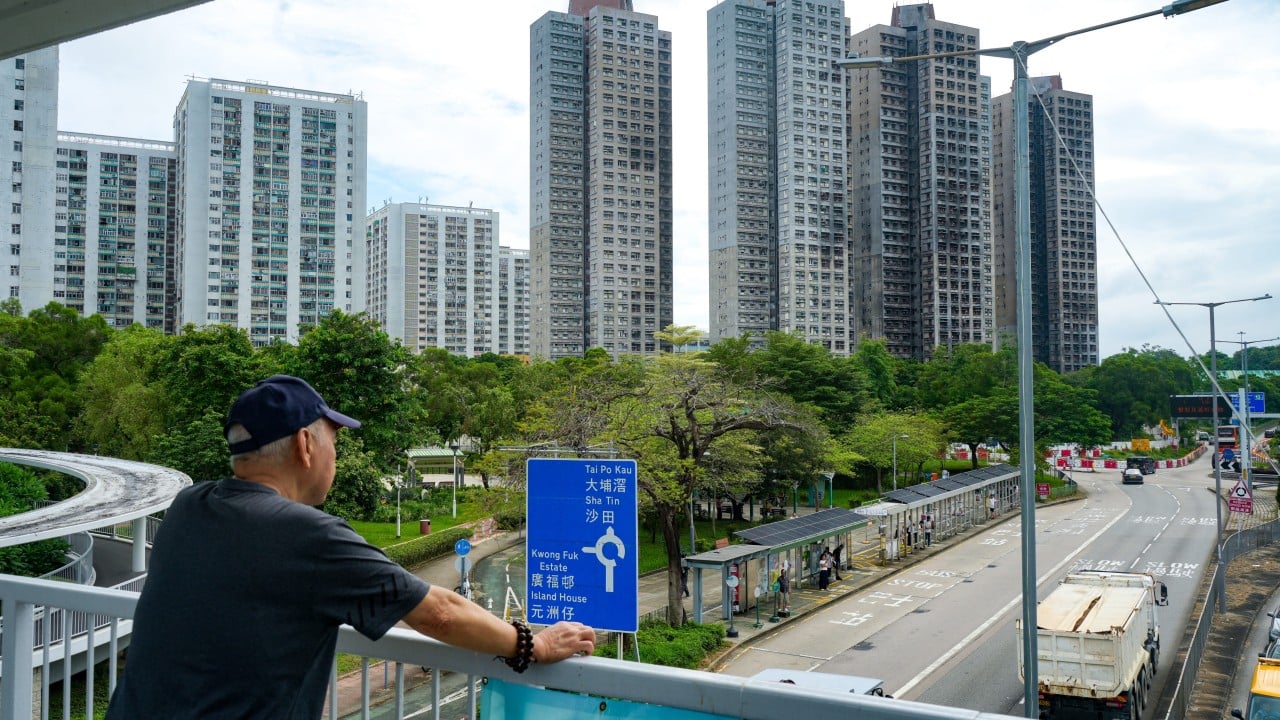
Tragedies don't end when the smoke clears. As the first anniversary of the devastating Wang Fuk Court blaze in Tai Po approaches, the reality of long-term recovery is setting in hard for survivors. Secretary for Labour and Welfare Chris Sun Yuk-han recently confirmed that the dedicated social support system isn't going away anytime soon. In fact, the "One Social Worker per Household" initiative is locked in for the long haul, with officials recognizing that healing from a disaster of this scale takes years, or even decades.
If you think a housing relocation solves everything, you don't understand how deep trauma runs. When families lose their homes, their neighborhoods, and worst of all, their loved ones in a single night, handing them the keys to a new flat is merely the first step. The psychological scars and administrative nightmares linger long after the media spotlight moves on.
The Reality Behind the One Social Worker Scheme
Emergency relief usually looks like temporary shelter, food vouchers, and immediate cash handouts. But what happens six months down the line? A year later? That's where standard disaster response usually fails.
The social work intervention deployed for the Tai Po fire victims was built differently out of sheer necessity. Frontline workers haven't just been handling basic paperwork. They are embedded in the daily lives of survivors, helping navigate complex webs of bureaucracy—from property ownership disputes and inheritance filings to organizing care for elderly family members and children.
Secretary Sun made it clear that the government has no exit strategy for this scheme. That matters because trauma doesn't run on a fiscal year schedule. While physical housing needs are gradually easing as residents transition into new properties, the emotional weight carried by bereaved families remains heavy. Grief doesn't care about deadlines.
Mental Health Challenges That Linger in the Shadows
Data from the Advisory Committee on Mental Health highlights a grim reality. Early mental health screenings of survivors revealed that roughly 21 percent displayed symptoms of post-traumatic stress disorder, while 15 percent showed signs of clinical depression.
Those numbers dropped to single digits after targeted interventions kicked in, but professional vigilance cannot simply stop because rates improved. Psychological recovery is messy. It cycles. A survivor might feel fine for weeks, only to experience a severe setback triggered by an anniversary, a smell, or a routine administrative hurdle.
Community networks and non-governmental organizations have run intensive programs, including grief counseling for over 150 bereaved families and outreach initiatives touching more than 3,300 survivors in transitional housing. Transitioning these specialized interventions into sustainable, long-term community neighbourhood services is the real challenge moving forward.
Accountability and the Road Ahead
You can't talk about the support systems for Tai Po victims without looking at the systemic failures that caused the tragedy in the first place. Independent committee reports laid bare decades of institutional blind spots, pointing fingers at multiple government departments for failing to catch severe fire hazards at Wang Fuk Court. High-profile resignations and intense public scrutiny followed, leaving a fractured community demanding real accountability, not just empty gestures.
For survivors like the widows and children left behind, rebuilding life means fighting a multi-front battle. They are grieving, managing sudden financial pressures as sole breadwinners, and watching a slow-moving reform process crawl through government offices.
This is why long-term social worker backing is non-negotiable. When the legal battles over accountability drag on and the emotional fatigue sets in, having a dedicated professional who knows your case inside and out provides a vital anchor.
Healing a community ravaged by catastrophe requires patience, open communication, and institutional stamina. The government's pledge to maintain long-term support sets a necessary precedent, but the real test will be keeping those resources funded, responsive, and humane as the years roll on.



