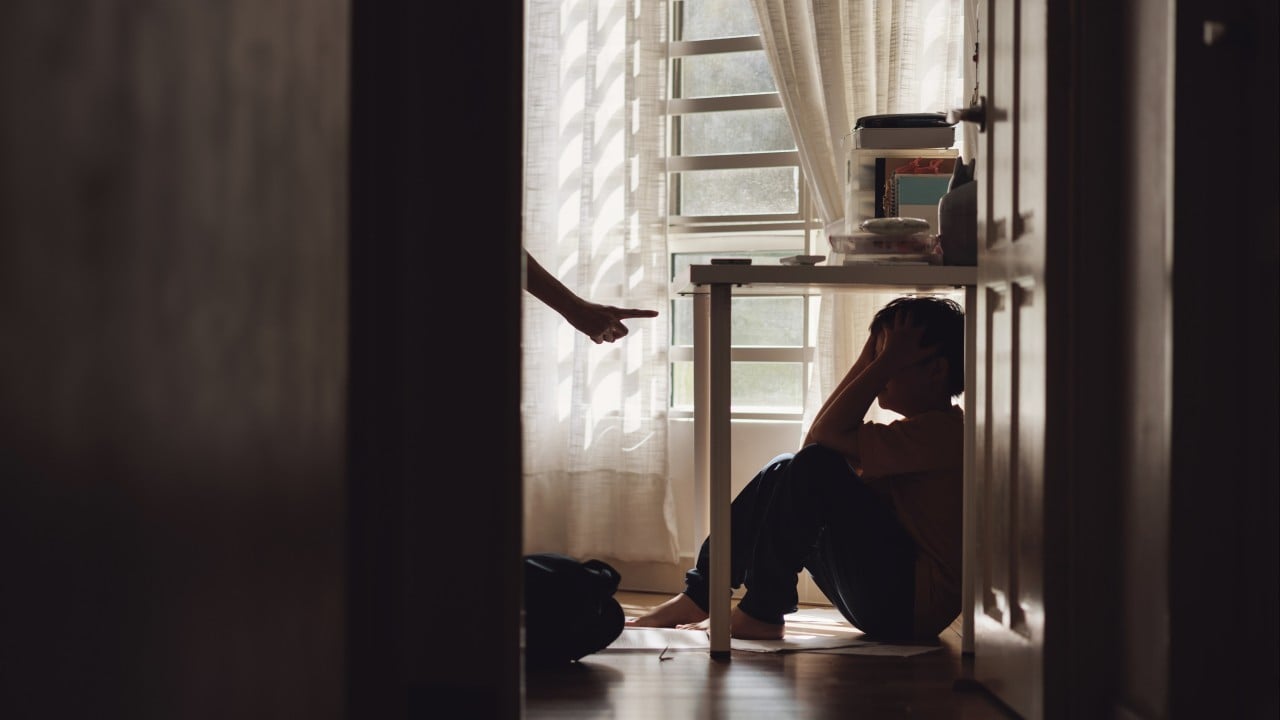
Preschoolers aren't supposed to carry heavy emotional weight, yet children aged three to five make up the biggest share of suspected abuse victims reported to Hong Kong's Against Child Abuse over the past financial year.
Think about that age bracket for a second. Three, four, and five. Kids in this window are learning how to put words to big feelings, testing boundaries, potty training, and starting kindergarten. They're loud one minute and exhausted the next. When stressed adults don't know how to read normal toddler and preschool behavior, tiny daily friction turns dangerous fast.
In its 2025/26 figures, Against Child Abuse logged 1,136 hotline reports and consultations, including 216 suspected child abuse cases involving 241 children. Physical abuse made up roughly half of those cases, and over 70 percent of suspects were family members. The group pointed to heavy pressure on parents and gaps in parenting skills as core drivers behind what front-line workers are seeing.
Honestly, that stat shouldn't surprise anyone who has watched exhausted caregivers try to juggle rent, work, aging relatives, and a defiant four-year-old at 8 p.m. Still, seeing preschoolers top the chart forces a hard conversation about what happens behind closed doors—and whether our safety net catches trouble early enough.
What Suspected Abuse Victims Aged 3 to 5 Reveal About Family Stress
Why does the three-to-five age group stand out so starkly in NGO casework? Age three to five sits right at the collision point between a child's growing independence and an adult's shrinking patience.
A three-year-old says "no" to shoes because their brain is building autonomy, not because they're plotting defiance. A four-year-old spills juice because fine motor control is still catching up to curiosity. A five-year-old melts down after school because holding it together all day takes massive mental energy.
When caregivers treat normal developmental friction as willful disrespect—or when work stress, financial strain, or isolation leaves them running on fumes—discipline can cross the line into physical harm. In Against Child Abuse's data, roughly half of the 216 suspected cases involved physical abuse, and more than 70 percent of suspects were family members. Home is supposed to be the safest place a kid knows, which makes family-perpetrated harm especially confusing and painful for young children.
Why Young Kids Are Hard to Spot in Crisis
Older kids sometimes tell a friend, write a note, or show obvious shifts in grades and social habits. Preschoolers don't have those tools yet. Their vocabulary for fear, pain, or confusion is limited, and they often assume whatever happens at home is just how life works.
Even when a child has bruises or behavioral changes, adults around them can easily rationalize what they see. A caregiver might blame a bump on playground roughhousing. A relative might look away to avoid family conflict. That's why community awareness and everyday vigilance matter so much—most abuse doesn't happen in front of a crowd.
How Hong Kong's Reporting Law Changes the Picture
Numbers like 216 suspected cases from a single NGO don't exist in a vacuum. Hong Kong's Mandatory Reporting of Child Abuse Ordinance took effect on January 20, 2026, placing a legal duty on 25 categories of specified professionals across medical, social welfare, and education fields to report suspected serious harm or real risk of serious harm across physical abuse, psychological abuse, sexual abuse, and neglect.
Official data from the Social Welfare Department's Child Protection Registry recorded 1,354 newly registered cases in 2025, with physical harm/abuse and sexual abuse each accounting for 37.0 percent, followed by neglect at 22.6 percent. Put those figures side by side with NGO reporting and one thing becomes clear: rising case counts don't automatically mean society suddenly got crueler overnight. Better detection, clearer reporting duties, and more public attention bring hidden cases out into the light.
At the same time, experts and child advocates have raised fair questions about how laws work in practice. Mandating reports helps catch serious harm earlier, yet it also requires clear guidance so professionals know the difference between an accidental injury and serious risk, and so families under stress get supportive intervention rather than only punitive shock. Real protection takes both accountability and practical help for struggling households.
Common Myths That Trip People Up
One myth I hear constantly is that child abuse only happens in visibly "broken" or low-income homes. Financial pressure and cramped living spaces definitely add strain, sure. Still, harsh punishment and emotional blowups happen across income levels whenever stress outpaces coping skills.
Another myth is that you need 100 percent proof before speaking up. You don't. Reporting a genuine concern to a professional or hotline isn't about playing detective or ruining a family's life; it's about letting trained specialists assess whether a child is safe.
What You Can Do Right Now If You're Worried or Overwhelmed
If you're a parent or caregiver feeling pushed to the edge with a young child, pause before things escalate. Stepping into another room for two minutes, putting the child in a safe spot like a playpen or bed, and taking slow breaths won't solve every problem, yet it can stop a moment you'll regret forever. Reaching out for parenting support or counseling early isn't a sign of weakness—it's how good caregivers stay steady.
If you're a neighbor, relative, teacher, or friend who notices unexplained injuries, repeated fearfulness around a caregiver, or concerning behavior in a young child, don't brush it off. In Hong Kong, urgent emergencies call for 999, while non-emergency concerns and guidance can go to the Social Welfare Department's 24-hour hotline at 2343 2255 or a trusted child protection agency like Against Child Abuse.
Keep your observations factual, calm, and focused on the child's safety. Protecting kids aged three to five starts with paying attention to the small signals right in front of us and refusing to look away when something feels off.



