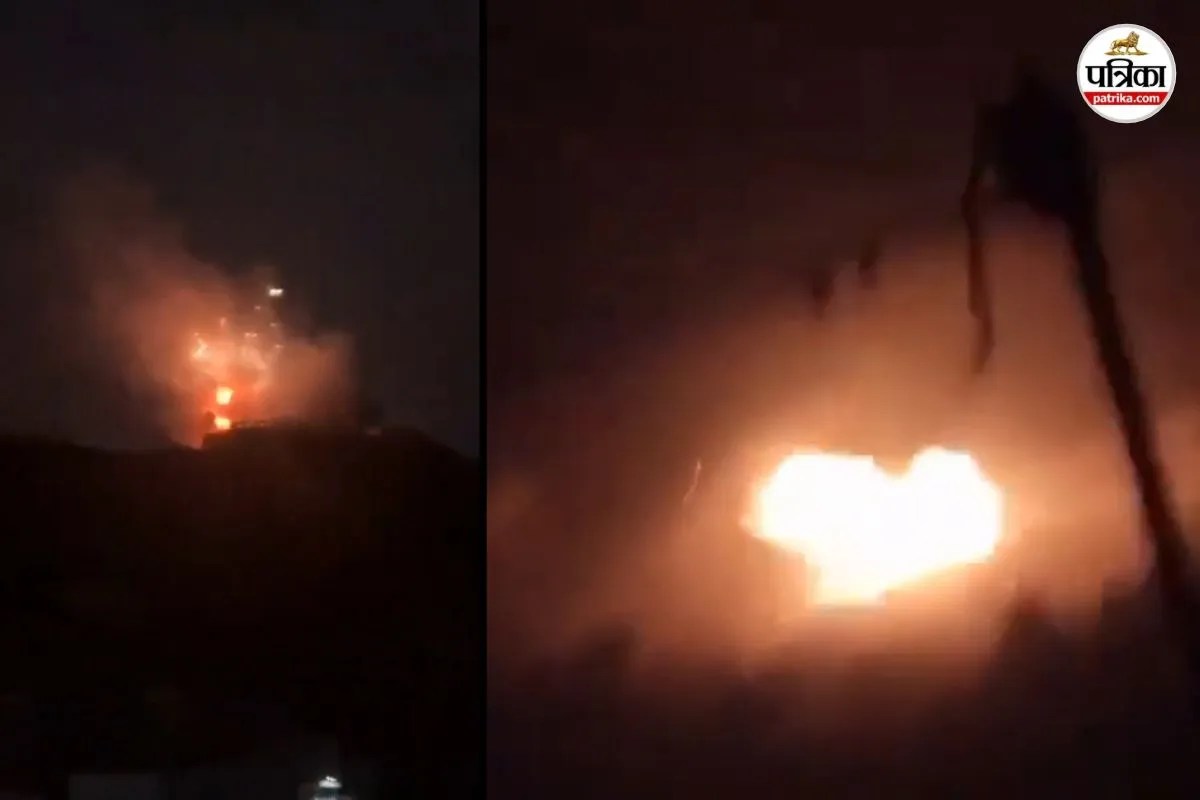
Four people dead, 18 injured, and another chunk of Yemen's lifeline blown apart early Monday morning. That's what happened when an airstrike hit a building tied to Yemen's Public Telecommunications Corporation in the Red Sea port city of Hodeidah, according to Houthi-affiliated media reports on November 23, 2026.
If you've only skimmed short wire updates, you might think this is just another grim tally in a long war. It isn't. Hitting a telecommunications building in Hodeidah cuts right into command-and-control links, emergency coordination, and everyday life along Yemen's western coast. And honestly, when communications go down in a port city already under heavy military pressure, confusion spreads faster than aid ever can.
Let's look closely at what happened, why Hodeidah sits at the center of this renewed escalation, and what people tracking regional security or humanitarian operations need to keep straight right now.
What Happened in Hodeidah and Why Figures Vary
Early on November 23, 2026, reports from Houthi-run Al-Masirah TV and the Yemeni News Agency (Saba) stated that an airstrike hit a facility or construction site connected to the state-run Public Telecommunications Corporation in Hodeidah. Preliminary casualty figures cited four killed and 18 injured, with local sources and residents describing heavy explosions, power outages in parts of the city, and aircraft activity overhead.
Right away, you notice a detail that matters for anyone reading breaking news: casualty numbers in active conflict zones move fast and often carry competing framing. Some reports in the hours after the strike put initial preliminary tolls at four dead and 18 wounded, while later dispatches from outlets like Shafaq News cited higher figures reported by Houthi media as rescue efforts continued. Meanwhile, Saudi authorities had not immediately confirmed responsibility for this specific telecom building strike in the initial wire reports, even as Houthi media blamed Saudi forces.
That gap isn't unusual. When an airstrike hits infrastructure in a contested or heavily restricted area, independent verification takes time. Treating preliminary counts as provisional—and noting who reported them—keeps you from repeating bad numbers as settled fact.
Why Hodeidah Keeps Drawing Fire
Hodeidah isn't just another coastal town. Sitting on the Red Sea, it is the main maritime gateway for commercial imports and humanitarian relief into northern and western Yemen, and it sits right beside vital shipping lanes.
Over the past few weeks, pressure along the Red Sea coast has ramped up sharply. Analysts and defense outlets tracking the November 2026 escalation note that the Houthis control Yemen's four Red Sea ports, while rival ports and facilities—such as Mokha, Ras Isa, and Salif—have faced heavy damage or strikes over recent clashes and prior months. On November 20, 2026, the Saudi-led coalition announced strikes targeting operational capabilities at Hodeidah port, claiming those sites were tied to weapons smuggling and ballistic missile transport, after issuing an evacuation map warning to civilians.
From Riyadh and aligned Yemeni government officials' perspective, the argument is straightforward: if a port or coastal hub supports missile movement or threats to Red Sea shipping and Saudi territory, military action is framed as deterrence and interdiction. From the perspective of residents and aid agencies on the ground, every strike near Hodeidah threatens a bottleneck that millions of people rely on for food, fuel, medicine, and basic connectivity.
Both realities exist at once. Pretending Hodeidah is purely a civilian dock ignores the military stakes along the Red Sea; pretending strikes there carry zero humanitarian fallout ignores what happens when port and city systems get knocked offline.
Why Telecom Targets Matter So Much in Modern Clashes
Most casual readers focus on ports, airports, or missile sites. Telecom buildings get less attention until your phone dies, internet routing drops, or local clinics lose coordination lines.
In modern conflicts, telecommunications infrastructure serves two overlapping roles:
- Military and operational links: Command networks, local dispatch, and coastal coordination often piggyback on or sit adjacent to public telecom hubs.
- Civilian and humanitarian lifelines: Banks, hospitals, logistics firms, families checking on relatives, and aid workers depend on voice and data networks to function.
When a strike hits a telecom facility—especially right after strikes on port infrastructure and communications nodes in places like Taiz—the ripple effect is immediate. Even if a tower or exchange isn't completely flattened, damaged cabling, power cuts, and fear among technicians can slow repairs for days.
In my experience following regional crises, infrastructure damage is where "tactical" moves collide hardest with everyday survival. You can clear rubble from a street in a day, but rebuilding damaged telecom gear under active drones or warplanes takes time and specialized parts that are hard to bring in.
The Bigger Escalation Around This Strike
This Hodeidah strike didn't happen in a vacuum. Over recent days, cross-border tensions and domestic fighting in Yemen have spiked again. Reports from late November 2026 point to Houthi missile and drone claims aimed toward Saudi territory—including interceptions near Riyadh and southern areas—alongside coalition airstrikes across governorates like Sanaa, Saada, and Taiz, and political moves in Yemen such as parliament passing legislation designating the Houthis a terrorist organization on November 17.
Regional spillovers are also building pressure across the board. Maritime security along the Red Sea and Bab el-Mandeb remains on edge, and broader Middle East friction keeps shipping insurers, energy markets, and diplomatic missions on high alert.
Still, there's an important nuance worth flagging: don't conflate every headline from Sanaa, Hodeidah, or Taiz into one single battle. Different strikes hit different targets on different days, and unverified claims from any side should be read carefully rather than taken at face value.
Practical Ways to Track Reliable Updates and Stay Safe
If you're following this situation for work, research, family ties, or travel/shipping awareness, a few habits will save you a lot of noise:
- Cross-check casualty and target claims: Compare initial figures against follow-up reports from established wire services and international monitors, and note whether numbers come from local health authorities, Houthi media, or coalition briefings.
- Watch infrastructure advisories, not just headlines: If you manage supply chains, maritime routes, or NGO logistics in the Red Sea region, track official maritime advisories and humanitarian access updates rather than social media rumors.
- Verify before sharing: In fast-moving strikes, old footage from earlier clashes frequently recirculates online. Check dates, landmarks, and timestamps before reposting anything.
- Prioritize direct channels if you have family in Yemen: When power and telecom lines are strained in cities like Hodeidah, brief SMS messages or low-bandwidth messaging apps often get through when voice calls fail.