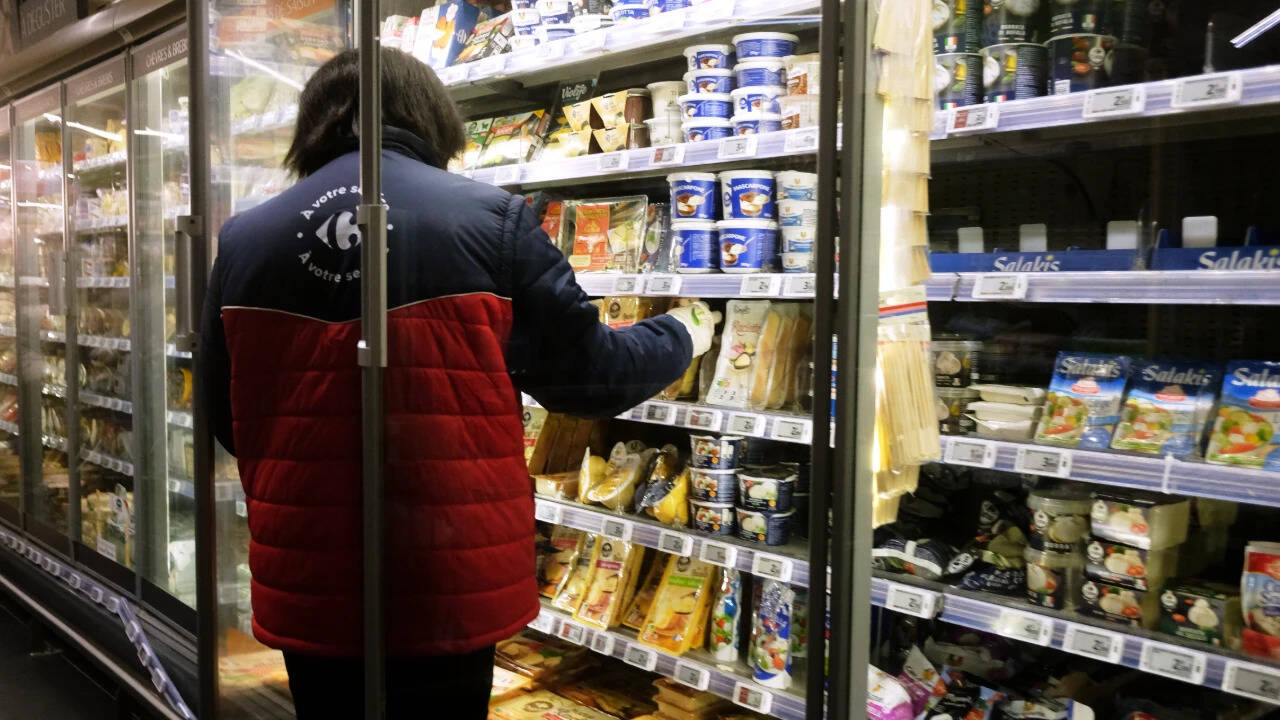
When you think of state-sponsored cyber warfare, you probably picture critical infrastructure attacks, massive power grid blackouts, or sophisticated data breaches targeting government secrets. You certainly don't picture commercial refrigerators turning up their internal temperatures until the ice cream melts and the meat catches fire. Yet, that is exactly what happened across Europe last month, turning mundane cold-storage units into the latest front line of international conflict.
French authorities didn't mince words when they pointed the finger directly at Tehran. According to a joint investigation by France's national cybersecurity agency, ANSSI, and intelligence officials, a specialized cyber unit linked to Iran's Islamic Revolutionary Guard Corps orchestrated a sweeping digital sabotage campaign. The operation targeted roughly 700 commercial establishments across France alone, hitting major supermarket chains, butcher shops, and food processing facilities.
The Real World Damage of Connected Freezers
The technical execution wasn't about stealing credit card numbers or holding databases for ransom. It was pure disruption. Hackers breached connected refrigeration systems and systematically cranked up the thermostats.
The consequences were immediate and messy. Retailers watched millions of euros worth of inventory spoil in hours, forcing workers to haul giant trash containers filled with melted goods. Worse still, the forced overheating pushed at least 15 refrigeration units past their structural limits, sparking localized fires inside stores. This wasn't just an annoyance; it was a physical threat to public safety hiding behind a software vulnerability.
France's Foreign Minister, Jean-Noël Barrot, reacted swiftly by summoning the Iranian ambassador to deliver a formal reprimand and signal potential European Union sanctions. Meanwhile, Paris prosecutors sought international arrest warrants for specific individuals tied to the operation, naming members of an alleged offensive cyber group known as Shahid Kaveh.
Why Supermarkets Became the Target
Most people assume that high-security military networks or financial institutions are the primary targets for foreign threat actors. But modern retail infrastructure represents a glaring weak spot. Supermarket chains rely on interconnected IoT devices and centralized vendor management systems to monitor temperatures remotely. These supply chain management tools often run on legacy software with minimal internal network segmentation.
If you want to cause widespread economic panic and supply chain friction without triggering traditional military deterrence, going after commercial refrigeration is terrifyingly effective. It hits the food supply directly, damages public confidence, and creates massive logistical headaches for local economies.
France isn't an isolated case either. Similar cold-storage disruptions popped up around the same time in Sweden, Belgium, Luxembourg, Ireland, and Estonia, pointing to a broader coordinated campaign across Europe. Even the United States experienced a precursor of this tactic earlier in the year when refrigerators in multiple military commissaries mysteriously went offline.
The Broader Pattern of Attribution
Security researchers point out that this isn't Iran's first rodeo when it comes to unconventional digital harassment in Europe. French investigators linked the same broader apparatus to prior disruptive actions, including cyber campaigns targeting the satirical newspaper Charlie Hebdo in 2023 and digital disruptions during the Paris Olympic Games in 2024.
What makes these incidents alarming is how easily state actors can exploit routine commercial vendors. When HVAC systems, security cameras, and supermarket freezers are hooked up to the internet for convenience, they become open doors for anyone with enough technical persistence to walk through them.
Securing the digital frontier isn't just about protecting banking servers anymore. It's about making sure your local grocery store's cooling system doesn't turn into a geopolitical weapon.