When three Buddhist monks in Anuradhapura decided to forgo food and water entirely, they lit a match under an already tense political landscape. This wasn't just a localized zoning dispute. It represents a massive collision between state-led modernization, judicial authority, and the deeply entrenched political influence of the Buddhist clergy in Sri Lanka.
If you've been following South Asian politics, you know that religion and statecraft walk a tightrope here. But the current fast-unto-death brings simmering frustrations directly to a boil.
Inside the Anuradhapura Standoff
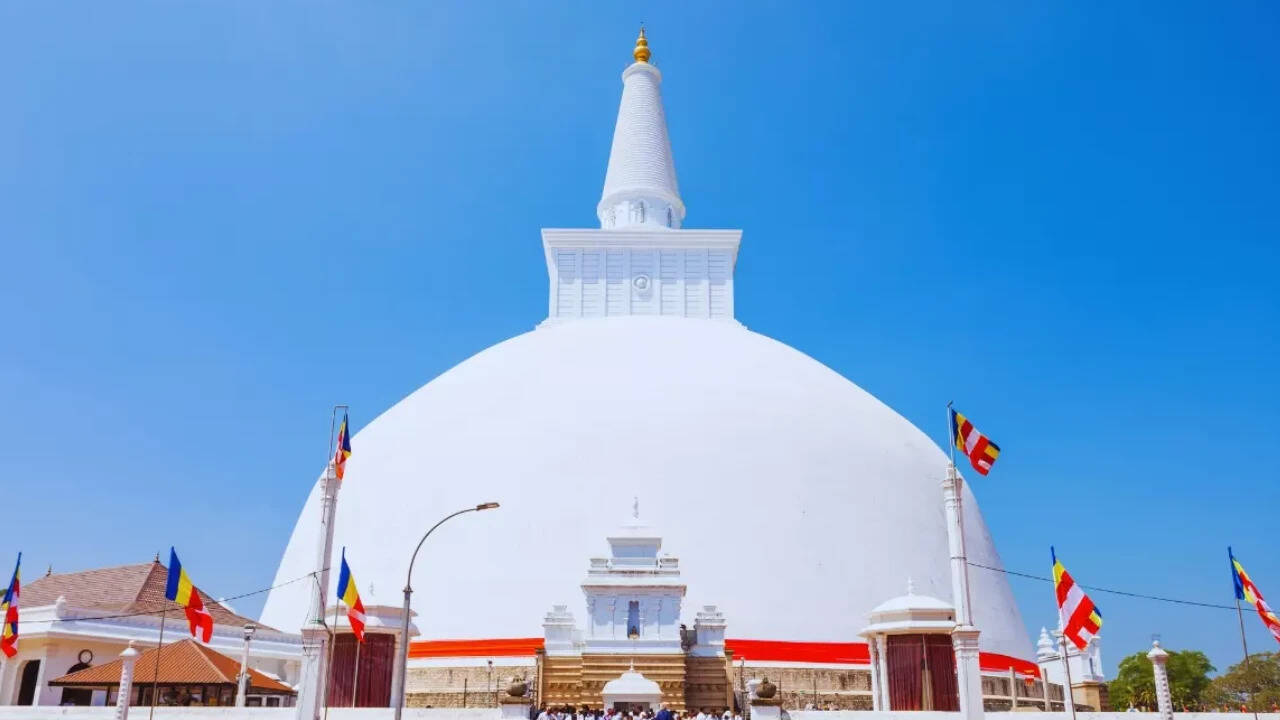
Anuradhapura is sacred ground. As a UNESCO World Heritage Site with a history spanning over two millennia, it anchors the spiritual identity of the island's majority Sinhalese Buddhist population. It houses the Atamasthana—eight sacred places including the Jaya Sri Maha Bodhi and Ruwanweli Maha Seya.
The friction started when the National Physical Planning Department issued a gazette notification regarding the Anuradhapura Sacred Area Development Plan. The government wants to upgrade infrastructure and modernize pilgrimage management. Protest leaders like Venerable Balangoda Kassapa Thero argue that these sweeping changes threaten cultural heritage and open the door to unwanted external influence. For another perspective on this development, see the recent coverage from USA Today.
Police moved in after clashes broke out over an elevated construction proposal. A magistrate's court ordered demonstrators to clear out their temporary tents near the holy shrines. Instead of backing down, the monks escalated. They launched a strict hunger strike, refusing even fluids, and told supporters not to bring them bottled water.
Two Demands That Challenge the State
The striking monks aren't just complaining about urban planning blueprints. Their platform rests on two aggressive, non-negotiable demands:
- Immediate withdrawal of the Anuradhapura Sacred Area development gazette.
- State intervention to secure the release of Galagodaatte Gnanasara, a firebrand monk currently serving a prison sentence for contempt of court.
That second demand is where the real constitutional crisis lies. Gnanasara's imprisonment stems from a definitive legal process. When previous political leaders tried handing out executive pardons to appease clerical pressure, the Supreme Court struck them down as unconstitutional. Asking the current administration to override the highest court sets up an impossible precedent. It basically asks the government to decide whether the rule of law applies equally to everyone, or if wearing saffron robes grants immunity from judicial accountability.
A Divided Clergy and Public Fatigue
Not all religious leaders are marching in lockstep with the protesters. The monastic community itself remains heavily divided over the redevelopment plans. Senior figures have voiced cautious support for better infrastructure to handle millions of annual pilgrims, provided the traditional character of the shrines stays untouched.
At the same time, public sentiment on the streets of Colombo and Anuradhapura has shifted. Many everyday citizens are growing tired of aggressive political agitation disguised as religious defense. Icons of the clergy driving luxury vehicles while demanding absolute legal exemption don't sit well with a public navigating tough economic realities. People want clean governance, preserved heritage, and actual adherence to the law—values that don't always align with the demands of activist monks.
The administration under President Anura Kumara Dissanayake faces a delicate balancing act. Push too hard against the clergy, and the government risks alienating conservative voters. Back down too easily, and they surrender executive authority to unelected religious hardliners.
As the hunger strike continues inside ancient Anuradhapura, the outcome will test whether modern democratic institutions in Sri Lanka can hold their ground against historical clerical privilege.
Buddhist monks rally in Sri Lanka to pressure the government for a wider role in affairs of state
This video provides background context on how activist factions within the Buddhist clergy exert pressure on national politics in Sri Lanka.