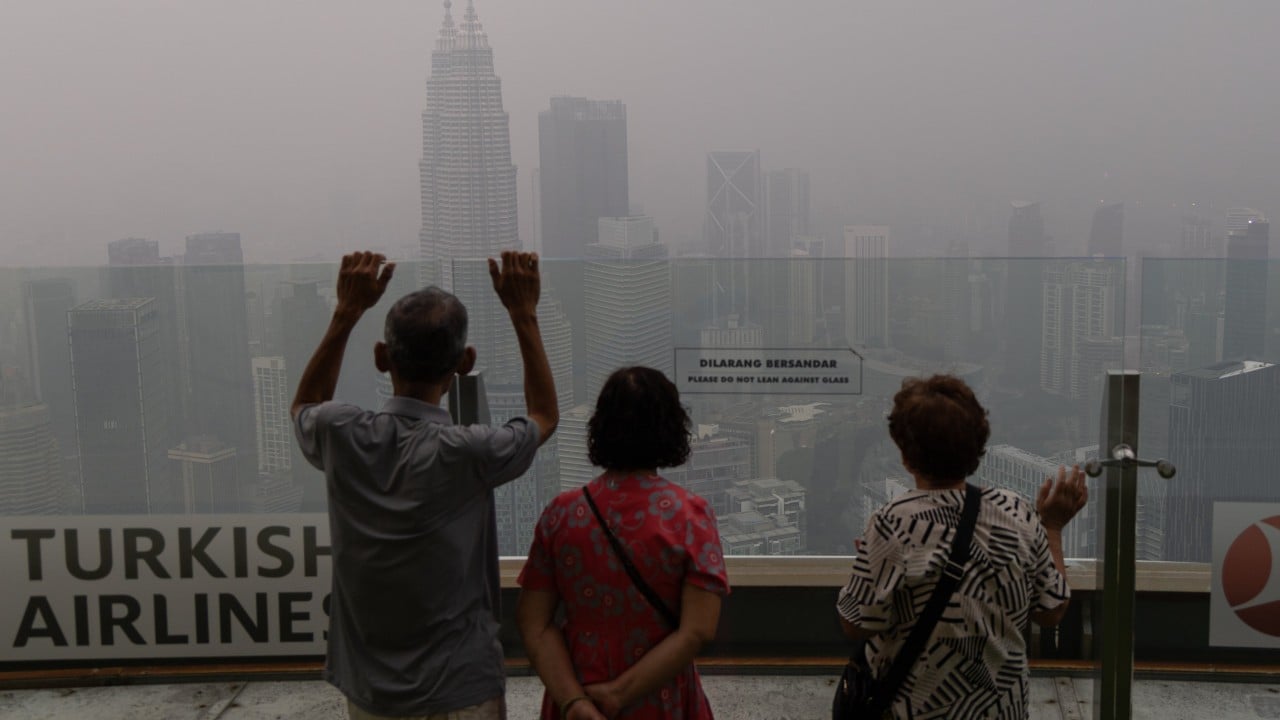
Every few years, the skies over Kuala Lumpur and Singapore turn a sickly, sepia yellow. Schools shut down, hospitals fill up with vulnerable patients gasping for clean air, and politicians trade sharp words across maritime borders.
This time, the economic and human toll has triggered a much sharper debate. Former Malaysian finance minister Lim Guan Eng has publicly urged Indonesia to pay roughly US$3 billion (around 13 billion ringgit) in compensation for the staggering welfare and economic losses inflicted by the latest transboundary haze crisis.
It is a bold diplomatic demand that cuts straight to the heart of Southeast Asia's most intractable environmental failure. But behind the headline-grabbing figures lies a deeper friction about sovereignty, accountability, and whether regional diplomacy can actually solve a crisis driven by profit and corporate negligence.
The Real Cost of Choking Skies
When we talk about forest and land fires in Sumatra and Indonesian Borneo, it is easy to reduce the catastrophe to abstract numbers. Yet the fallout on the ground is brutally concrete. Recent assessments estimate that Malaysia alone suffered roughly US$1.97 billion in socio-economic damages during this latest wave of pollution. More tragically, health experts project that the toxic air may have contributed to roughly 1,700 premature deaths among vulnerable populations, particularly the elderly and young children.
Air purifiers have vanished from electronics store shelves, turning basic indoor air filtration into an expensive luxury item. In response, critics have pushed for direct government interventions, such as tax rebates for purchasing household purifiers, but these measures only treat the symptoms rather than the source.
Meanwhile, across the Malacca Strait, Indonesian cities like Palangka Raya have resorted to running emergency buses equipped with oxygen tanks just so residents can breathe. The crisis hurts everyone involved, but neighbors like Malaysia and Singapore bear the brunt of a toxic blanket they have no power to extinguish at the source.
Apologies Are Not Enough
Indonesian President Prabowo Subianto recently issued a formal apology to Malaysia and Singapore, acknowledging the immense friction caused by the fires. Jakarta has pointed to aggressive enforcement actions, noting that authorities have revoked land concessions from 17 corporations linked to blazes and deployed tens of thousands of personnel to the front lines.
An apology is a diplomatic necessity, but it doesn't clear the air or reimburse ruined tourism sectors, lost productivity, or surging healthcare bills. Demanding US$3 billion in financial compensation might seem diplomatically aggressive, but it forces a reckoning. If the cost of inaction remains localized while the damage goes regional, corporations and local agencies in fire-prone regions have little financial incentive to change their land-clearing habits.
The Sovereignty Roadblock
If Jakarta cannot or will not shell out billions in direct compensation, Lim Guan Eng offered an alternative proposal: allow a permanent cross-border ASEAN firefighting task force to cross into Indonesian territory and tackle fires at their inception.
This is where regional politics hits a brick wall. Indonesia fiercely guards its national sovereignty. Previous proposals to allow neighboring firefighters onto its soil have stalled because Jakarta views foreign intervention as a slight against its administrative capabilities. President Prabowo himself has railed against foreign critics, warning that Indonesia will not be insulted over its environmental challenges.
Yet treating transboundary pollution as a strictly domestic issue makes no sense when the smoke ignores international borders. Insisting on sovereignty while your neighbors choke is a recipe for permanent regional resentment.
What Needs to Happen Next
If Southeast Asia wants to move past this recurring cycle of smoke and finger-pointing, leaders must abandon polite diplomatic theater.
First, regional bodies need teeth. Neighboring countries must strengthen legal frameworks—similar to Singapore's enhanced Transboundary Haze Pollution Act—to prosecute corporate executives and freeze assets of parent companies headquartered abroad that profit from illegal slash-and-burn clearing.
Second, data transparency must replace defensiveness. Joint monitoring of concession maps and hotspot tracking must be shared openly so that blame can be pinned directly on culpable agribusiness firms rather than turning into an inter-state quarrel.
Until accountability has a financial price tag attached to it, the region will simply wait for the next dry season, cross its fingers, and hope the wind blows the other way.



