Imagine an entire country altering flight paths, silencing construction sites, and telling corporate offices to open late just because half a million teenagers are taking a test. That isn't hyperbole. It happens every year in South Korea during the Suneung, officially known as the College Scholastic Ability Test (CSAT).
On November 19, the country pauses its normal rhythm. If you think high-stakes testing is stressful in your country, South Korea operates on an entirely different level.
The Logistics of a National Lockdown
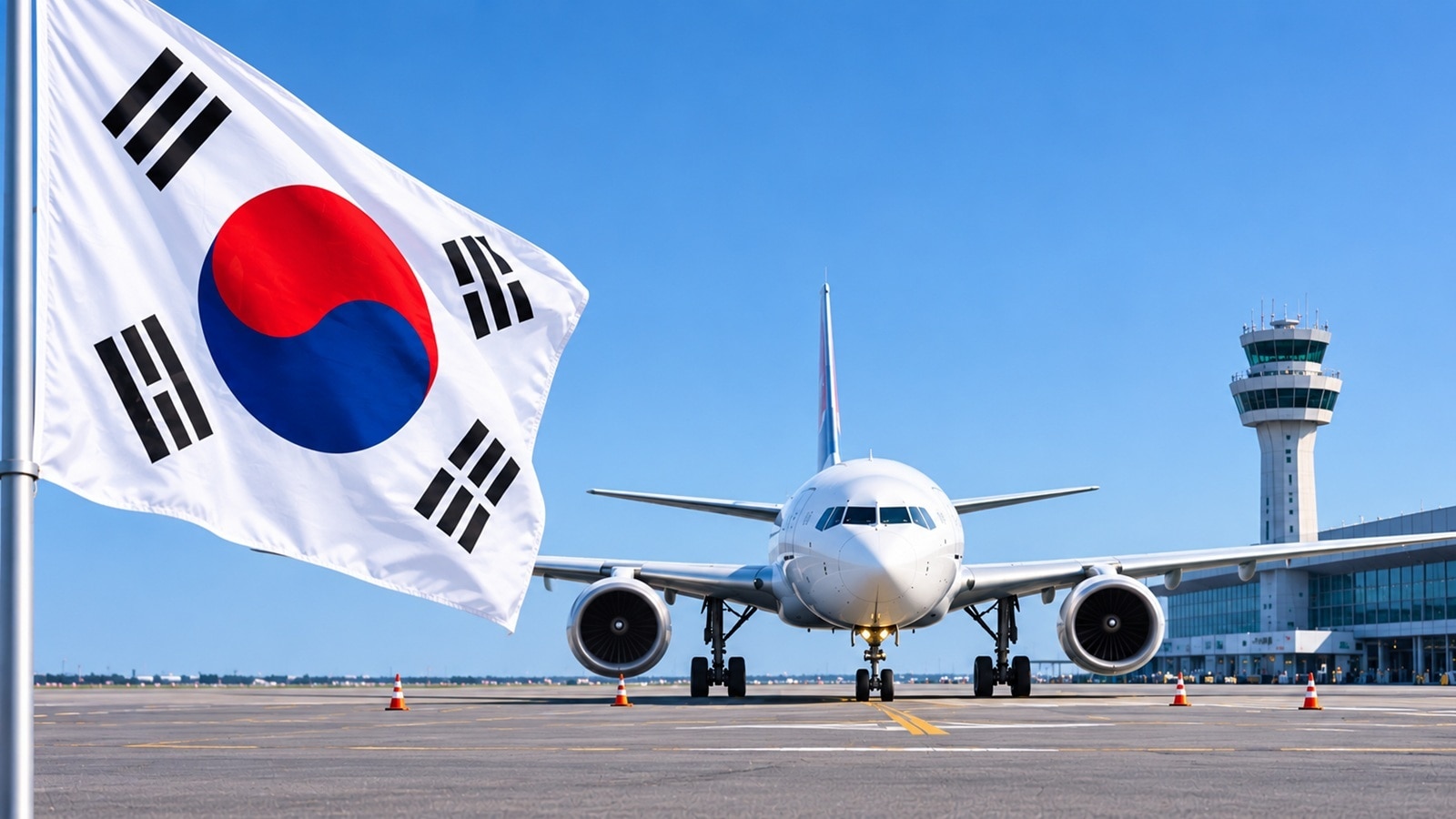
The scale of the disruption on exam day is staggering. Aviation authorities restrict aircraft takeoffs and landings nationwide for a strict window—roughly 35 minutes—to coincide with the English listening comprehension section. Planes already in the air must maintain an altitude of at least three kilometers. Over a hundred flights, spanning both international and domestic routes, get rescheduled or pushed back.
It doesn't stop at the airports. Public transportation systems run extra trains and buses during the morning rush hour to ensure test-takers reach their designated centers without hitting traffic. Police cars and motorcycles are often deployed to escort students who realize they are running late. Even the military pauses live-fire artillery drills and flight training so that noise doesn't bleed into testing rooms.
Financial markets also adjust. The Korea Exchange delays its opening bell by an hour, pushing the start of trading to 10:00 AM instead of the usual 9:00 AM. Why? To clear the roads of commuter traffic, freeing up congestion so students can travel safely and quietly to their test sites.
Why the Suneung Carries Such Immense Weight
To understand why a nation bends over backward for an exam, you have to look at South Korean corporate culture and societal expectations. The Suneung is a grueling, multi-subject marathon that runs from early morning into the evening. For more than half a million students and repeat candidates, this single day dictates which university they will attend.
In South Korea, your university badge often acts as a lifelong passport. Alumni networks, corporate hiring pipelines, and even social standing can trace directly back to the tier of university stamped on a resume. Naturally, the pressure cooker environment leads to intense anxiety. Families pray at temples and churches, junior students gather outside school gates to cheer on seniors with drums and banners, and the entire society treats the morning of the exam with hushed reverence.
High-Tech Cheating and Modern Security Measures
High stakes breed high-stakes attempts to beat the system. In recent years, exam administrators have had to crack down on sophisticated cheating methods. Proctors undergo specialized training to spot unauthorized electronic devices, including high-tech smart glasses or miniature communication tools. The rules are absolute: phones, smartwatches, digital cameras, and any device with a screen or network capability are strictly banned from the testing room. Getting caught with contraband means disqualification not just for that year, but a multi-year ban from taking the exam altogether.
Government ministries coordinate security months in advance. Police patrol print shops where exam papers are bundled, and armed guards watch over distribution routes. It resembles a military operation more than an educational assessment.
Managing the Aftermath
Once the final bell rings, the tension evaporates instantly. Traffic returns to normal, stock exchanges resume their regular pacing, and students reunite with exhausted families. While debates surface every year about whether the society-wide obsession with the Suneung is healthy, the logistical machinery behind it remains unmatched.
When November 19 arrives, South Korea doesn't just administer a test. It proves that when a nation decides education is its most critical asset, it will literally move mountains—or at least ground the planes—to protect it.