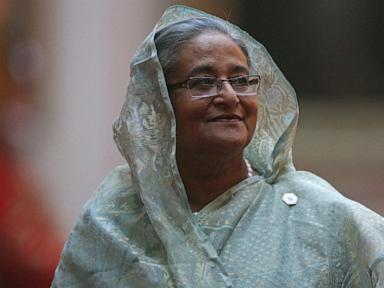
Exiled leaders rarely stay quiet for long. Two years after a bloody student-led uprising booted her from power, ousted Bangladeshi Prime Minister Sheikh Hasina has made her most aggressive move yet. She wants her passport back.
In a formal letter submitted to the Bangladeshi diplomatic mission in New Delhi, her legal counsel requested a brand-new passport and national identity card. It is a calculated gamble. Hasina has made it clear she intends to fly back to Dhaka by December, setting the stage for a high-stakes showdown in a country that has fundamentally rewritten its political rulebook while she has been living in Indian refuge.
If you are trying to understand why this matters, look past the basic headlines. This isn't just about travel documents. It is a direct challenge to the current political establishment in Dhaka and a stress test for the extradition treaty binding India and Bangladesh.
The Exile Years and the Death Sentence
Let's remember how we got here. In August 2024, massive protests—fueled largely by student anger against entrenched governance and job quotas—boiled over. The military eventually ushered Hasina out of the country, and she boarded a helicopter straight to India.
Since then, the legal landscape in Bangladesh has shifted dramatically. An interim administration took the reins, followed by a general election in February that swept Tarique Rahman into power in a landslide. Meanwhile, Hasina's long-ruling Awami League party has been barred from the political arena.
Compounding the pressure, a Bangladeshi war-crimes tribunal sentenced Hasina to death in absentia for her role in the violent crackdown that killed nearly 1,400 people during the uprising. Hasina denies all wrongdoing, dismissing the tribunal as illegitimate.
Yet, her aides insist she is planning a homecoming. Abu Obaidha Arin, an advisor to Hasina, stated that she plans to return to surrender before a court and face the music on her own terms.
The Diplomatic Tug-of-War Between Dhaka and New Delhi
Issuing a passport to a convicted former leader living abroad sounds bureaucratic, but it is actually a political landmine.
Dhaka wants her back badly. Junior Minister for Foreign Affairs Humaiun Kobir didn't mince words recently, labeling Hasina a fugitive and a terrorist, and demanding that New Delhi hand her over under their active bilateral extradition treaty.
India faces a terrible dilemma. Giving Hasina up would alienate a longtime political ally and set a complicated regional precedent. Keeping her indefinitely strains relations with the new government in Dhaka, which wants accountability for the casualties of the 2024 revolution.
By applying for a passport, Hasina is forcing the issue. If India facilitates the documents or ignores Dhaka's demands, diplomatic friction will spike. If Dhaka rejects the passport outright—which is the expected move—it underscores the absolute rift between the former regime and the current administration.
What to Watch As December Approaches
You have to look at this through a strategic lens. Hasina's camp is betting that personal presence changes the dynamic. Stepping onto tarmac in Dhaka, even if it means immediate arrest or surrender to a tribunal, transforms her from a distant figure in exile into a physical flashpoint inside the country.
Critics argue it is a desperate stunt to keep her name relevant while her party remains outlawed and her allies face prison or internal exile. Supporters see it as a courageous push to reclaim citizenship rights and fight back against a judiciary she views as a kangaroo court.
Either way, the passport application is the starting gun for a volatile winter in South Asian politics. Keep your eyes on New Delhi's diplomatic signaling and Dhaka's formal response over the coming weeks. The standoff is about to get a lot louder.



